

A Deep Dive into Brake Drums for the 2001-2009 Toyota Prius
Learn why your Prius's rear brakes are unique and how to select the best replacement drum for your needs.
- Due to regenerative braking, Prius rear drums often fail from rust and age, not from wear.
- Choosing an aftermarket drum with an anti-rust coating is a smart investment for longevity.
- Mid-tier brands like Centric or Raybestos offer the best balance of quality and cost for this vehicle.
- Always replace drums, shoes, and hardware springs at the same time for a complete and safe repair.
Understanding Rear Brakes on Your Prius

If you own a first or second-generation Toyota Prius, you have drum brakes in the rear. Unlike conventional cars that wear out brakes regularly, your Prius uses its electric motor for most of its slowing down, a process called regenerative braking. This is great for fuel economy and means your rear brake drums and shoes can last for an incredibly long time, with some owners reporting over 200,000 miles on the original parts. The most common reason for replacement isn't wear, but problems from lack of use, like rust, sticking parts, or glazing on the drum surface.
Symptoms of a Failing Brake Drum

Even though they last a long time, brake drums do eventually need service. Watch for these signs:
- Scraping or Grinding Noise: A harsh grinding sound when you brake usually means the brake shoes are completely worn and metal is scraping against the inside of the drum.
- Vibrating Brake Pedal: If you feel a pulsing or vibration through the brake pedal during stops, the drum may be warped and no longer perfectly round. This is called being "out-of-round."
- Weak Parking Brake: If your car still rolls a bit after you've set the parking brake, the shoes and drums are likely worn and can't hold the car securely.
- Brake Grabbing: Sometimes, especially after sitting in damp weather, the brakes might feel like they "grab" suddenly at low speeds. This can be caused by rust or improper adjustment.
A Note on Rust
Because the rear drums are used so infrequently, a thin layer of rust can form on the inside surface, especially in humid climates. This can cause a brief grinding noise or a grabbing sensation that goes away after a few stops. While light surface rust is normal, heavy rust can damage the drum and reduce braking performance.
Choosing the Right Aftermarket Brake Drum

You don't need to buy the most expensive performance parts for your Prius. Since the rear brakes do so little work, a quality aftermarket drum will perform just as well as the original for everyday driving. The biggest difference between brands is often the quality of the casting and the presence of a protective coating.
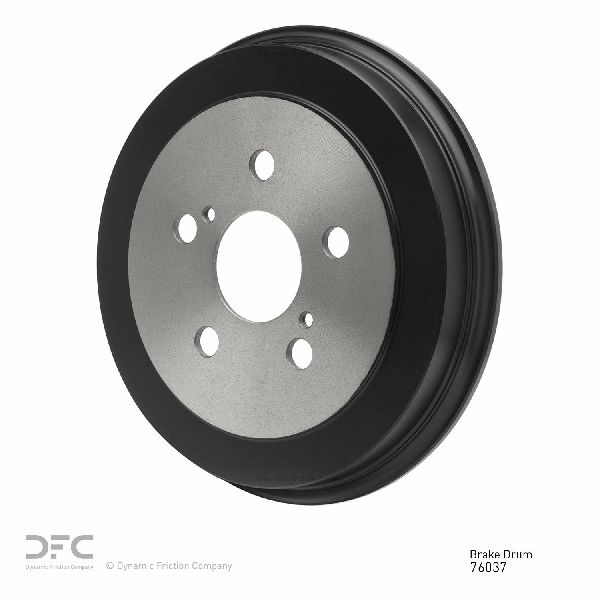
Pro Tip: Look for drums with a "fully coated" or "e-coated" finish. This coating helps prevent rust on the non-braking surfaces of the drum, keeping them looking better and making them easier to remove in the future.
Brand Tiers for Your Prius
- Premium Brands ($50 - $80): Brembo, Beck Arnley, ACDelco Professional. These brands are known for high-quality manufacturing and often feature superior anti-rust coatings. While excellent, they may be overkill for a Prius unless you live in an area with heavy road salt and want the absolute best corrosion protection.
- Quality Mid-Range Brands ($35 - $55): Centric, Raybestos, Dynamic Friction, Powerstop. This is the sweet spot for most Prius owners. Brands like Centric and Raybestos offer coated options that provide great performance and rust protection at a reasonable price. They are a significant step up from economy parts without a high cost.
- Economy Brands ($28 - $40): Pronto, store brands, economy lines from Centric/Raybestos. These are basic, uncoated drums that meet minimum safety standards. They will work fine, but they will be more prone to rusting on the exterior surfaces. Given the low price, they are a viable option if budget is the top priority.
Cost to Replace Toyota Prius Brake Drums

| Part / Service | Estimated Cost |
|---|---|
| OEM Toyota Brake Drum (Each) | $100 - $145 |
| Aftermarket Brake Drum (Each) | $28 - $80 |
| Shop Labor (Rear Axle) | $125 - $250 |
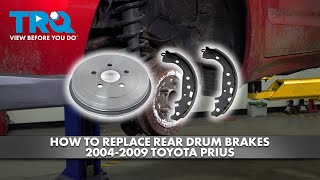
| Total Professional Replacement (Aftermarket) 🎬 Watch: Step-by-step guide to replacing your own rear drum brakes. | $180 - $410 |
Note: Costs are estimates. Prices can vary by location and supplier. It is always recommended to replace brake shoes, springs, and hardware at the same time as the drums.
Frequently Asked Questions
Do I need to replace drums in pairs?
Yes. Always replace both rear brake drums at the same time to ensure even braking performance. You should also replace the brake shoes and all the springs 🎬 See this quick walkthrough for drums and brake bleeding. and hardware at the same time.
Can I just resurface my old drums?
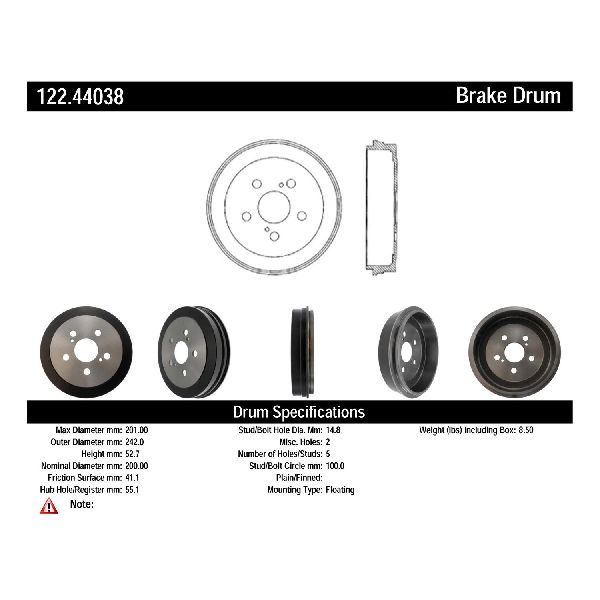
Sometimes. A mechanic can measure the inside diameter of the drum. If it's within the maximum allowed diameter (201.0 mm for this Prius), it can be resurfaced on a brake lathe. However, with the low cost of new aftermarket drums, replacement is often the faster and more cost-effective option.
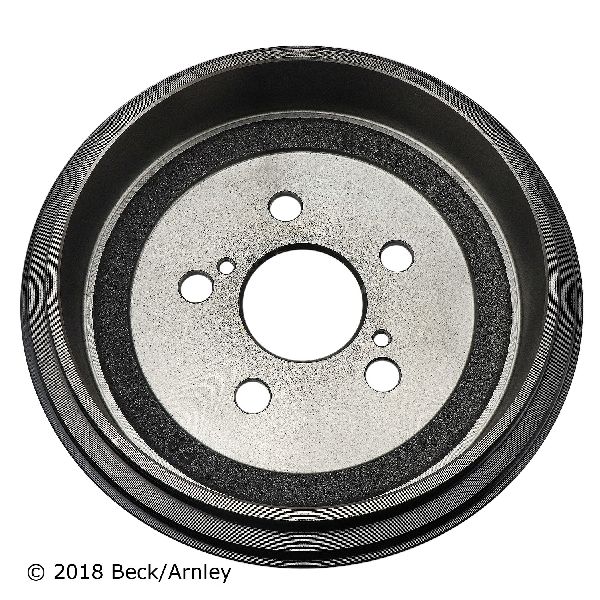
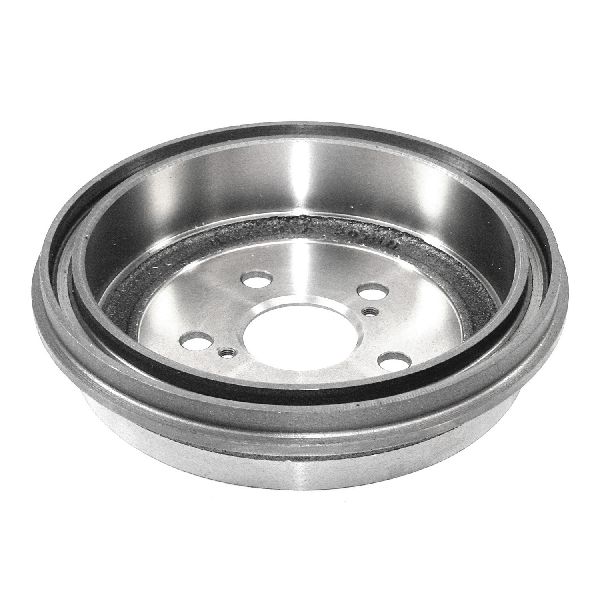
Why are there threaded holes on the face of the drum?
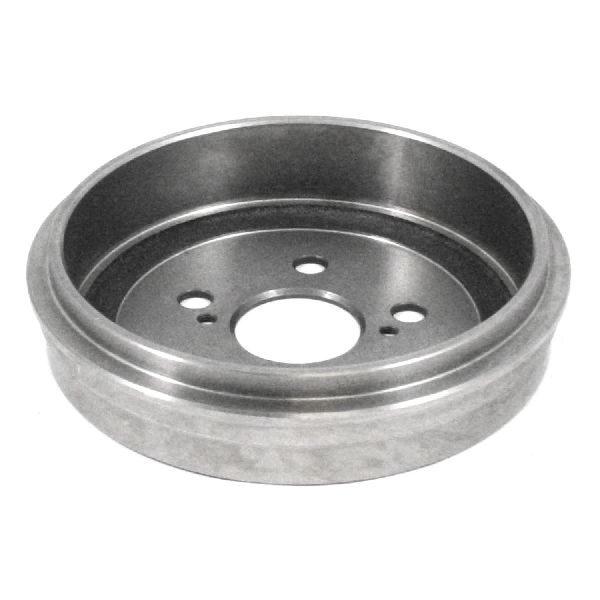
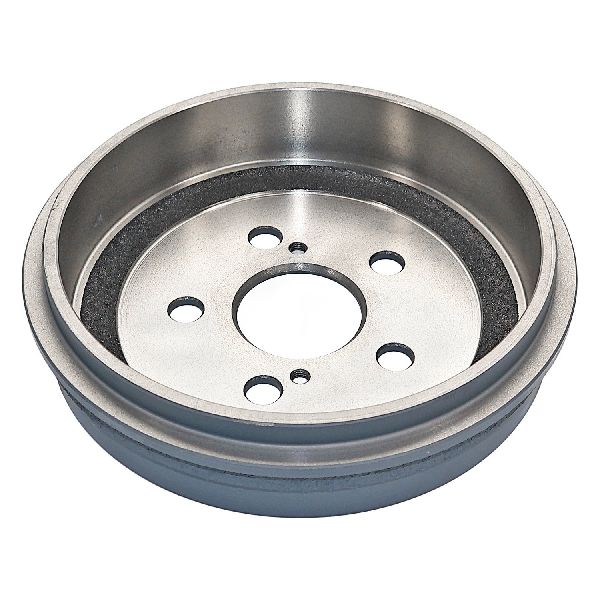
These are for removal. If the drum is rusted to the wheel hub, you can thread two M8x1.25 bolts into these holes. As you tighten the bolts, they will press against the hub and safely push the drum off.
🎬 Watch: How to remove and replace shoes on various Toyota models.Are there any recalls for the 2001-2009 Prius brake drums?
No. While there were brake-related recalls for the 2010 model year Prius, they concerned the ABS system and brake pressure accumulator, not the rear drums. No recalls were issued for the brake drums on the 2001-2009 models.
Helpful Videos
Technical Specifications
OEM Part Numbers: 42431-02100 42431-12220 42431-32120 42431-32121
Standard Inside Diameter: 200.0 mm (7.874 in.). Maximum Inside Diameter: 201.0 mm (7.913 in.).
We Have This Part in Stock

The information in this article is provided for general reference and educational purposes only. Vehicle specifications, procedures, and part compatibility can vary by production date, trim level, and region. Always consult your vehicle's factory service manual and verify part numbers before purchasing or performing repairs. Safety-critical components such as airbags, seat belts, and braking systems should be installed by a qualified professional.
- Toyota Prius: