

A Toyota Prius Owner's Guide to the 2001-2009 Brake Light Switch
Fixing no-start problems and brake light failures in your first or second-generation Prius.
- A no-start condition on a Prius is a classic symptom of a bad brake light switch, not always a battery problem.
- If you own a 2004 Prius, check if the safety recall for the brake light switch has been performed on your vehicle.
- Before replacing the switch, always check the brake light fuse and bulbs to rule out simpler issues.
- This is a very dangerous part to fail. You could be stranded by a no-start condition or, worse, get rear-ended if your brake lights don't work.
Is a Bad Brake Light Switch Keeping Your Prius from Starting?

If your 2001-2009 Prius suddenly won't start or go into 'Ready' mode, a faulty brake light switch is a very common cause. Before you suspect a major hybrid battery issue, check this small but vital component. This switch tells the car's computer that your foot is on the brake, which is a required step to start the car, especially for the push-button start found on 2004-2009 models. Of course, it also controls your rear brake lights, making it a critical safety part.
Common Failure Symptoms

A failing brake light switch on a Prius can cause several confusing problems. Pay attention if your car shows these signs:
- Car Won't Start: You press the POWER button with your foot on the brake, but the car only goes into accessory mode and never becomes 'Ready' to drive.
- Brake Lights Don't Work: Your brake lights do not turn on when you press the pedal. This is a major safety hazard.
- Brake Lights Stay On: The switch can also fail in the 'on' position, leaving your brake lights illuminated and draining your 12-volt battery.
- Warning Lights on Dash: A bad switch can trigger ABS or other brake-related warning lights on your dashboard.
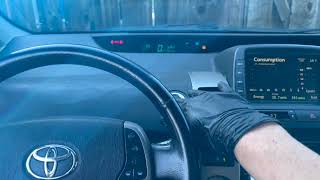
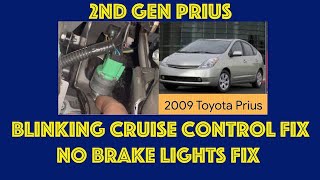
- Cruise Control Fails: Your cruise control may not engage or might turn off unexpectedly while driving. 🎬 See how a new switch fixes blinking cruise control lights
Known Issue: 2004 Toyota Prius Recall
Toyota issued a safety recall for a defect in certain 2004 model year Prius vehicles. The original brake light switch was prone to internal buildup that could make it stop working. If you own a 2004 Prius, you should contact a Toyota dealer with your Vehicle Identification Number (VIN) to see if this recall was performed. If not, the dealer should replace the switch at no cost to you.
Choosing the Right Aftermarket Part

When replacing your brake light switch, you have several options. The original equipment (OEM) part is always a safe bet, but quality aftermarket parts can offer significant savings. Here’s a look at the available brands:
- Standard Ignition (SMP): Often considered a top-tier aftermarket brand, Standard is trusted by many professional mechanics for its quality and reliability. If you want a part that is expected to meet or exceed OEM performance, this is a strong choice.
- Rostra Powertrain: Rostra is a well-known manufacturer of vehicle electronics, including cruise control systems. They offer direct-fit replacement switches that are a solid alternative to the OEM part.
- Facet: Facet is an established European brand that produces a wide range of automotive sensors and switches. They state their parts are made to OE specifications and can be a good quality choice.
- Replacement: This is typically a 'value' or 'economy' brand. While it will be the most affordable option, its long-term durability may not match that of the premium brands. It can be a good choice for a budget-conscious repair.
Brake Light Switch Cost for 2001-2009 Toyota Prius
| Part Type | Estimated Cost |
|---|---|
| New Aftermarket Part | $19.26 - $67.84 |
| New OEM Part (Dealer) | $50 - $90 |
| Shop Labor | $60 - $120 |
Note: Costs are estimates and can vary based on your location and the specific retailer or repair shop.
Frequently Asked Questions (FAQ)

Is replacing the brake light switch a DIY job?
Yes, for most people with basic tools, this is a very manageable DIY repair. The switch is located above the brake pedal. Access can be a bit tight, requiring you to work in the driver's footwell. You may need to remove a lower dash panel to get a clear view. The job typically takes less than an hour.
🎬 Watch this step-by-step Gen 2 Prius switch replacement guideHow do I know it's the switch and not my 12V battery?
A no-start condition can also be caused by a weak 12V battery. A simple test is to have someone stand behind the car while you press the brake pedal. If the brake lights do not come on, the brake light switch is the most likely culprit. If the brake lights work but the car still won't start, you should then test your 12V battery.
🎬 Watch: How to diagnose a faulty brake switch vs batteryDo I need to adjust the new switch?
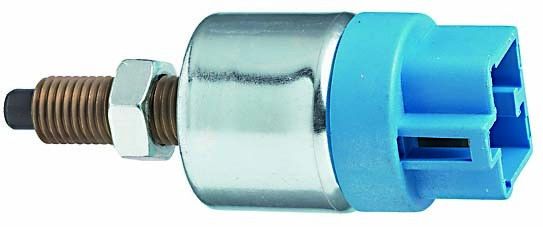
Yes, proper adjustment is critical. The switch has a threaded body and a plunger. It must be installed so the plunger is fully depressed when the brake pedal is not being touched, but allows the plunger to release immediately when the pedal is pressed. Incorrect adjustment can cause the brake lights to stay on or not come on at all.
Is there a difference between the Gen 1 (2001-2003) and Gen 2 (2004-2009) switch?
While the function is similar, the part numbers may differ. The switch's role in the starting sequence is especially critical in the Gen 2 Prius with its push-button start system. Always ensure you are purchasing the correct part for your specific model year to guarantee proper fit and function.
Helpful Videos
Technical Specifications
OEM Part Numbers: 84340-47010 84340-69025 84340-30110
Located on the brake pedal support bracket. Typically a 4-pin, plunger-style switch that requires adjustment upon installation.
We Have This Part in Stock


The information in this article is provided for general reference and educational purposes only. Vehicle specifications, procedures, and part compatibility can vary by production date, trim level, and region. Always consult your vehicle's factory service manual and verify part numbers before purchasing or performing repairs. Safety-critical components such as airbags, seat belts, and braking systems should be installed by a qualified professional.
- Toyota Prius: