

Choosing the Right Brake Pads for Your 2001-2009 Toyota Prius
Your Prius's brakes are unique; learn how to choose the right aftermarket pads for safety and longevity.
- Due to regenerative braking, Prius pads last a long time, but the system needs regular checks for seized parts and rust.
- Choose OEM-equivalent brands like Advics or Akebono, or premium ceramic pads from Bosch or Wagner for quiet, reliable performance.
- It is often best to replace rotors and pads at the same time to ensure smooth, effective braking.
- Dashboard warning lights (ABS, VSC) usually indicate a more serious electronic brake system issue, not just worn pads.
Understanding Brake Pads on Your Prius
Brake pads on a 2001-2009 Toyota Prius have a much different life than on a standard gasoline car. Thanks to the regenerative braking system, which does a lot of the slowing down, your brake pads can last an incredibly long time—sometimes well over 100,000 miles. However, this infrequent use can lead to its own set of problems. Caliper slide pins can seize, and rotors can develop rust from moisture and lack of use, which can cause noise or uneven braking. Therefore, while pad wear is slow, regular inspection of the entire brake system is critical.
Known Issues and Recalls
While there are no recalls specifically for the brake pads on the 2001-2009 Prius, there have been investigations and recalls related to the broader braking system. Some 2010 models (just outside this range) were recalled for issues with the brake pressure accumulator. Owners of second-generation models have sometimes reported a momentary change in brake feel when going over bumps, as the system switches from regenerative to hydraulic braking. Additionally, a major recall for these model years involved floor mats potentially interfering with the accelerator pedal, which indirectly relates to braking safety. A customer support program was also extended for some models concerning the brake booster and pump, identified by DTC codes like C1252 or C1256.
Choosing the Right Aftermarket Brake Pads
When it's time to replace your pads, you have many aftermarket options that can offer the same or better performance than the original parts, often at a lower cost. Here’s how to choose:
Brand Tiers for Your Prius
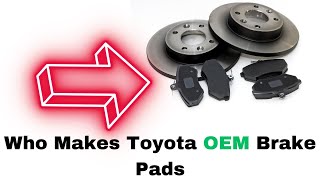
- OEM Equivalent Brands (Recommended): Brands like Advics and Akebono are often the original equipment manufacturers 🎬 Learn more about the companies that manufacture Toyota's original pads. for Toyota. Choosing their aftermarket products is the closest you can get to buying dealer parts without the dealer price. They are engineered for the specific quiet operation and performance characteristics of the Prius braking system.
- Premium Aftermarket Brands: Companies like Bosch, Wagner, Brembo, and Raybestos offer high-quality ceramic pads that are excellent for a daily driver like the Prius. They provide reliable, quiet stopping power and low dust, which are key features for most Prius owners.
- Performance Brands: Brands such as EBC Brakes and Hawk Performance are geared more toward aggressive driving. While they offer superior stopping power, they may not be ideal for a Prius, as the pads are designed to work best at higher temperatures which the Prius rarely reaches due to its regenerative braking.
- Economy Brands: While the lowest-priced options can be tempting, they may lead to more noise, dust, or shorter service life. Given how long brake pads last on a Prius, it's usually worth investing in a mid-tier or OEM-equivalent brand for better long-term results.
A Note on Ceramic Pads
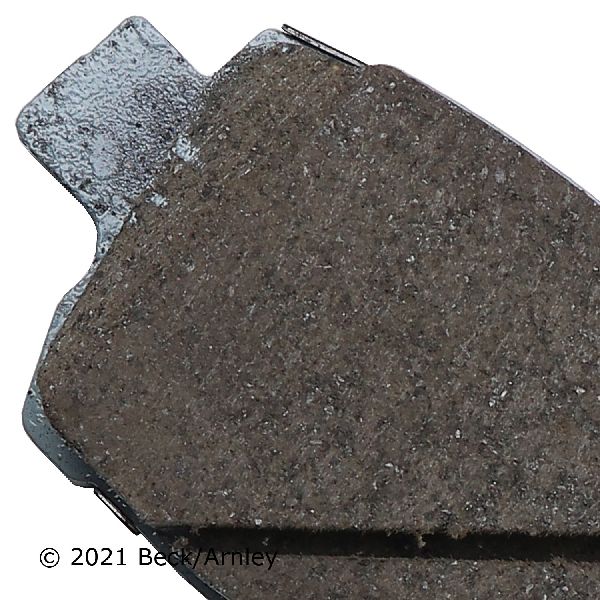
For a Prius, ceramic brake pads are almost always the best choice. They are known for being extremely quiet, producing very little brake dust (which keeps your wheels cleaner), and offering smooth, consistent stopping power. Most OEM and quality aftermarket pads for this vehicle are ceramic.
| Brand Tier | Price Range (Front or Rear Set) | Best For |
|---|---|---|
| OEM Equivalent (Advics, Akebono) | $50 - $100 | Original performance and quiet operation |
| Premium Aftermarket (Bosch, Wagner, Centric) | $40 - $80 | Excellent value and daily driving |
| Economy / Value | $26 - $50 | Budget-conscious repairs |
| Performance (EBC, Hawk) | $90 - $171 | Not typically recommended for Prius |
Frequently Asked Questions (FAQ)
How often do I need to replace my Prius brake pads?
There is no set interval. Due to regenerative braking, pads can last from 70,000 to over 150,000 miles. It depends entirely on your driving style and conditions. Regular inspection is the only way to know for sure. A mechanic will measure the pad thickness; replacement is typically recommended at 2-3mm.
Do I need to replace my rotors with my pads?
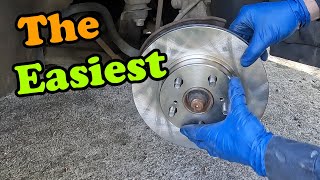
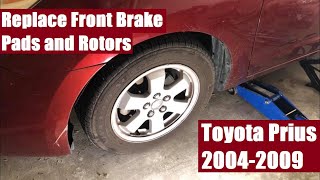
Not always. If your rotors are not warped (causing a pulsing sensation when braking), and are thick enough to be resurfaced or used as-is, you may only need pads. However, due to the long life of Prius pads, rotors can suffer from rust and pitting. It's often cost-effective and good practice to replace pads and rotors together 🎬 Watch a comprehensive guide on replacing your front pads and rotors. for the best performance.
Is it difficult to replace Prius brake pads myself?
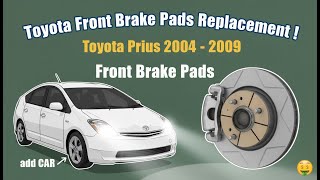
For the front wheels, it's a straightforward job for a DIYer 🎬 Follow this step-by-step guide to changing your Gen 2 brake pads. with the right tools. It's very similar to a non-hybrid car. However, it's recommended to disconnect the 12V battery to prevent the brake system from pressurizing unexpectedly. The rear brakes on some models can be more complex. If you are not comfortable, it's a relatively inexpensive job for a professional mechanic.
What are the signs of a failing brake actuator vs. worn pads?
Worn pads typically cause squealing or grinding noises. A failing brake actuator is a more serious electronic issue and will usually trigger multiple dashboard warning lights (ABS, VSC, Brake) and may cause a hard or unresponsive brake pedal. If you see these lights, have your vehicle diagnosed immediately.
Helpful Videos
Technical Specifications
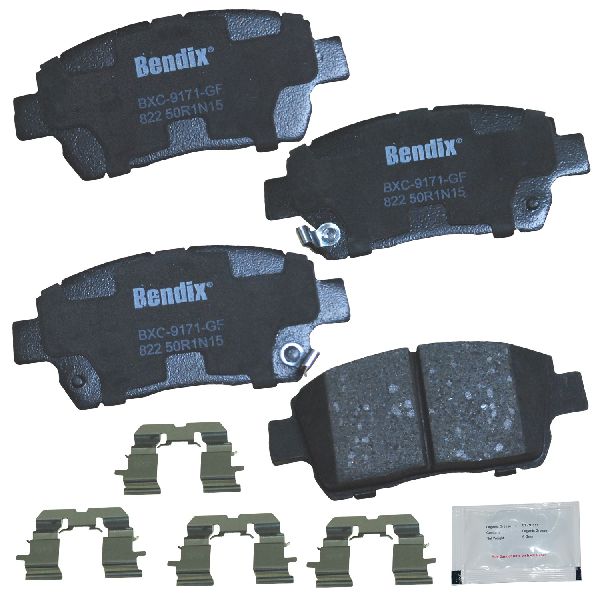
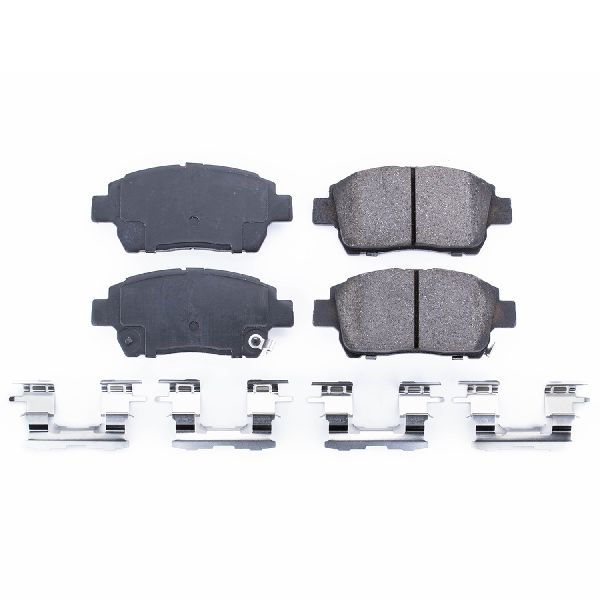
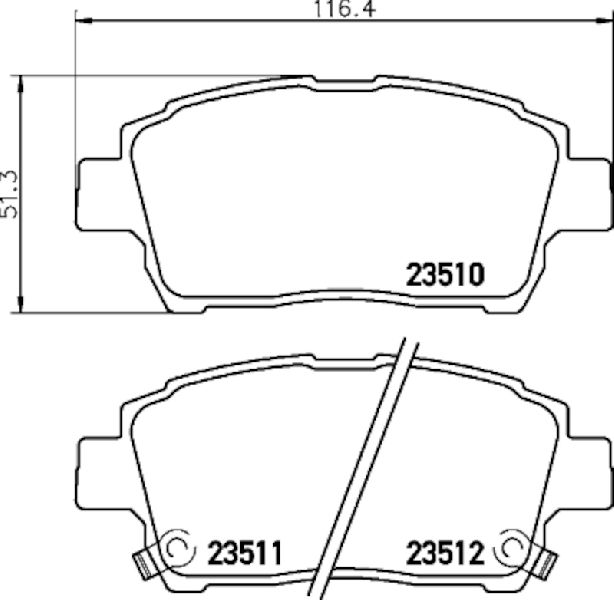
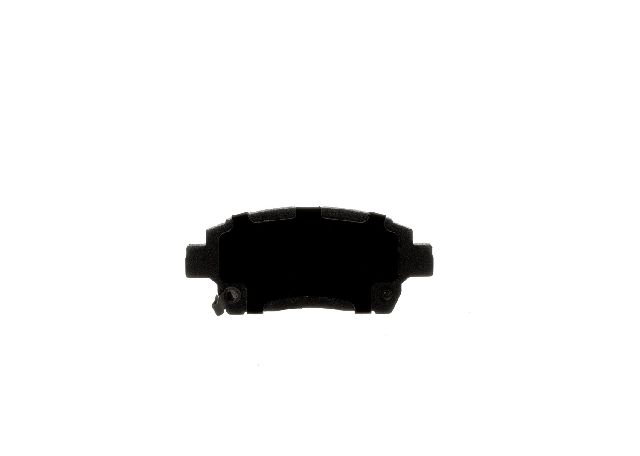
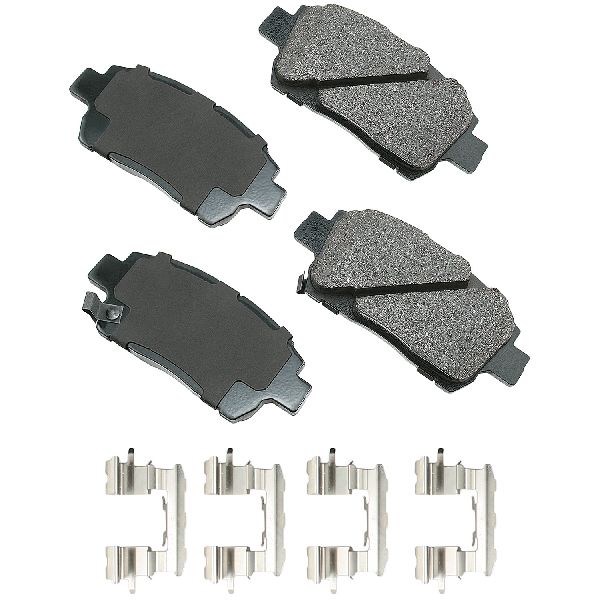
OEM Part Numbers: 04465-47050 04465-AZ014 04465-AZ122
The 2001-2009 Prius uses disc brakes on the front wheels and either disc or drum brakes on the rear, depending on the specific year and model. This guide focuses on disc brake pads. The front pads are a single-piston caliper design. The rear brakes on models with discs are also a single-piston design but require a special tool to retract the piston during replacement.
We Have This Part in Stock

The information in this article is provided for general reference and educational purposes only. Vehicle specifications, procedures, and part compatibility can vary by production date, trim level, and region. Always consult your vehicle's factory service manual and verify part numbers before purchasing or performing repairs. Safety-critical components such as airbags, seat belts, and braking systems should be installed by a qualified professional.
- Toyota Prius: