

Toyota Prius Crankshaft Position Sensor Guide (2001-2009)
Understanding why your Prius engine might stall, run rough, or fail to start.
- A failing crankshaft sensor is a common cause of stalling, no-start, and rough running on the 2001-2009 Prius.
- A complete failure will prevent the engine from starting, potentially leaving you stranded.
- There was a safety recall for this part on 2001-2002 models due to a defect that could cause engine stalling.
- Replacement is a simple DIY job for most, requiring basic tools and access from under the car.
Understanding the Crankshaft Position Sensor in Your Prius
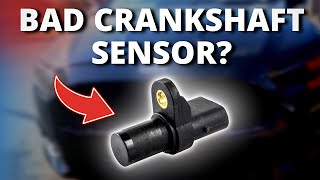
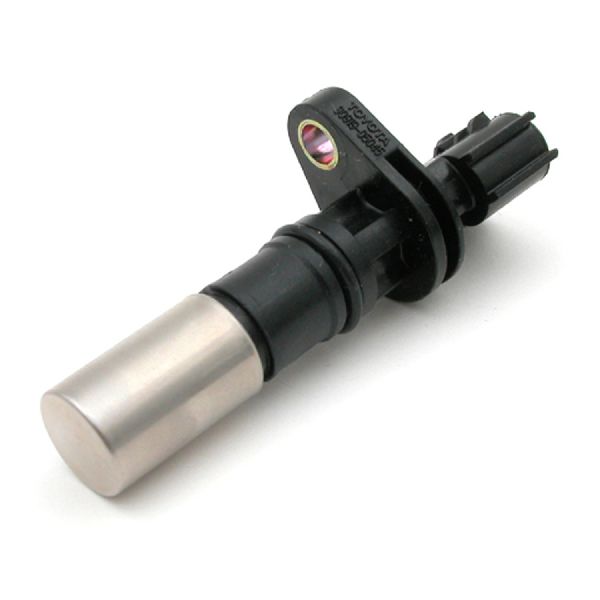
The crankshaft position sensor, or CKP sensor, is essential for the operation of the gasoline engine in your 2001-2009 Toyota Prius. It's a small sensor that reads the movement of the engine's crankshaft, providing a constant stream of data to the vehicle's computer. This data is used to manage ignition timing and fuel delivery, which are vital for engine performance, fuel economy, and emissions. When this sensor starts to fail, it can cause a range of problems from annoying to leaving you stranded.
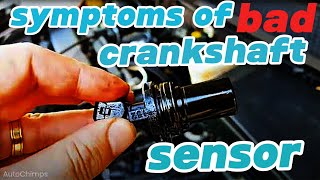
🎬 Watch: 8 common symptoms of a bad Toyota crankshaft sensorKnown Issue: 2001-2002 Prius Recall
Toyota issued a recall (NHTSA #06V-266) for the 2001 and early 2002 Prius models due to a faulty crankshaft position sensor. The original sensor could allow engine oil to leak into the electrical connector, causing the engine to stall without warning. The recall involved replacing the sensor with an improved design. While this recall 🎬 See this replacement walkthrough for 2001-2003 Gen 1 models is old, it highlights the importance of a quality, well-sealed sensor for this vehicle.
Choosing the Right Aftermarket Sensor
When replacing this sensor, you have a choice between Original Equipment (OEM) and various aftermarket brands. For a part this critical to engine operation, quality matters.
- Premium Brands (Recommended): Brands like Denso and Hitachi are often the original equipment manufacturers for Toyota. Choosing one of these brands gives you the highest confidence in fit, function, and longevity. They are engineered to meet the precise requirements of your Prius.
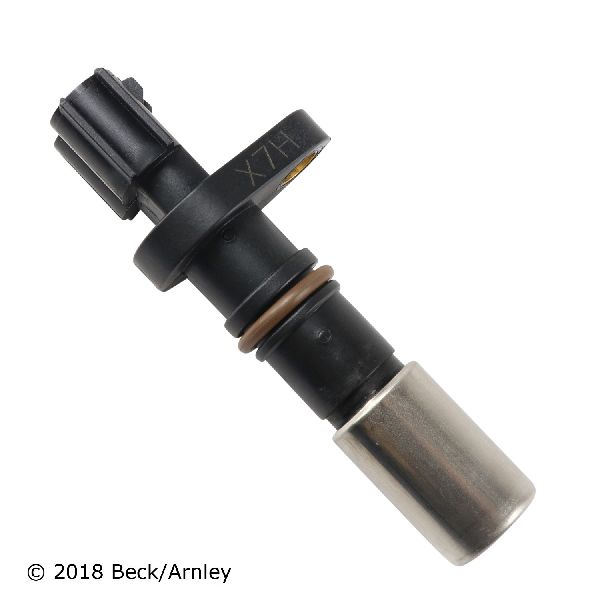
- Quality Aftermarket Brands: Brands such as Beck Arnley, Spectra Premium, and Standard Ignition (SMP) generally offer good quality and are a reliable choice if a premium brand isn't available. They provide a balance of performance and price.
- Economy Brands: While the low price of some brands is tempting, it can be a gamble. A low-quality sensor may fail prematurely or provide an inconsistent signal, leading to continued drivability problems. Given that a complete failure can leave you stranded, investing a little more in a reputable brand is wise.
| Tier | Brands | Notes |
|---|---|---|
| Premium | Denso, Hitachi | OEM suppliers; highest quality and reliability. |
| Standard | Beck Arnley, NGK, Spectra, Standard Ignition | Reputable brands with a good track record. |
| Economy | Walker Products, Global Parts, others | Lower cost, but quality can be inconsistent. Use with caution for this critical part. |
Pro Tip: Check the Connector
When replacing the sensor, carefully inspect the wiring harness connector for oil contamination, corrosion, or damage. A bad connection can mimic the symptoms of a failed sensor. On early models, oil could leak through the sensor itself and into the connector.
Frequently Asked Questions (FAQ)
Where is the crankshaft sensor located on my Prius?
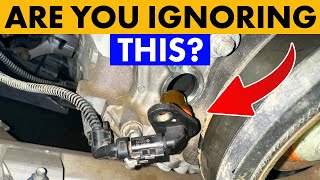
The crankshaft position sensor is on the passenger side of the engine block, down low near the main crankshaft pulley. You will need to access it from underneath the vehicle, likely by removing the passenger-side wheel and a plastic splash shield.
Is this a difficult part to replace myself?
No, this is considered a relatively easy DIY repair. The sensor is held in by a single 10mm bolt. The main challenge is safely lifting the vehicle to gain access from underneath. The replacement itself should take less than an hour for someone with basic mechanical skills.
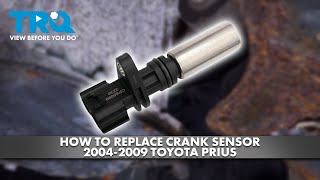
🎬 Watch: How to replace the sensor on 2004-2009 Prius modelsWhat is the difference between a crankshaft and camshaft sensor?
They work together. The crankshaft sensor tracks the rotation of the engine's bottom end (crankshaft), while the camshaft sensor tracks the top end (camshaft and valves). The computer uses both signals to get a complete picture of the engine's cycle for precise timing control.
Should I buy a cheap sensor online?
It is not recommended for this specific part. A faulty crankshaft sensor can cause your engine to stall suddenly, which is a major safety risk. Investing in a quality brand like Denso, Hitachi, or a trusted aftermarket name is a safer bet than risking failure with a low-cost, unproven part.
Helpful Videos

Technical Specifications
OEM Part Numbers: 90919-05043
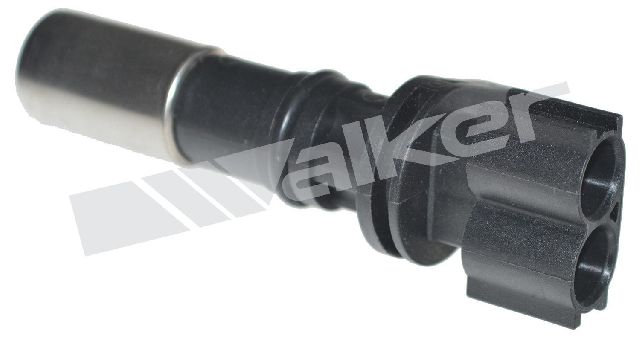
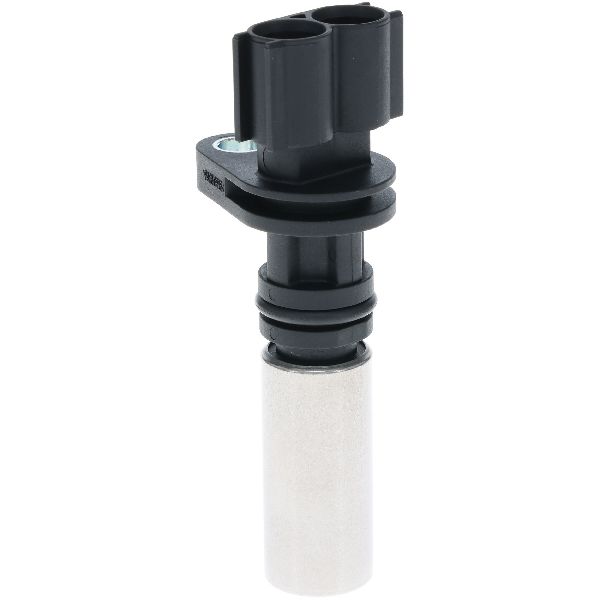
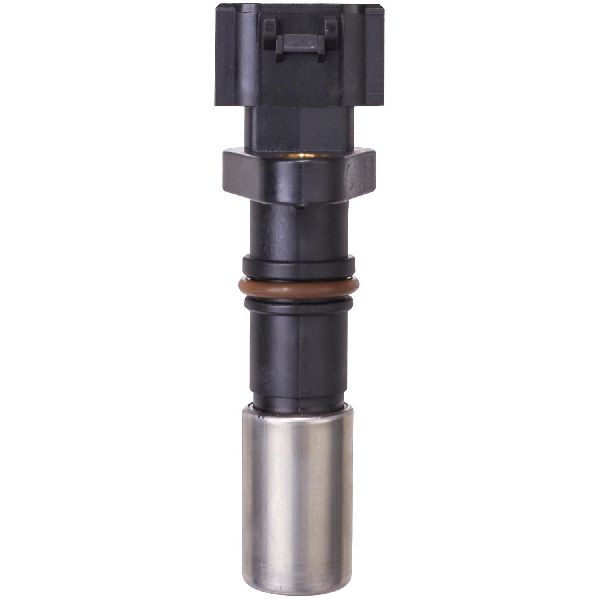
This is a 2-pin magnetic pickup sensor held in by a single 10mm bolt. It is located on the lower passenger side of the engine block.
We Have This Part in Stock


The information in this article is provided for general reference and educational purposes only. Vehicle specifications, procedures, and part compatibility can vary by production date, trim level, and region. Always consult your vehicle's factory service manual and verify part numbers before purchasing or performing repairs. Safety-critical components such as airbags, seat belts, and braking systems should be installed by a qualified professional.
- Toyota Prius: