

Toyota Prius HVAC Heater Hose Guide for 2001-2009 Models
Losing cabin heat or spotting coolant leaks? Your Prius's HVAC heater hose might be the problem.
- A lack of cabin heat is often the first sign of a heater hose or cooling system problem in your Prius.
- Gen 2 (2004-2009) models have a more complex heating system with a coolant heat storage tank that can make diagnosis and repair slightly different.
- Any coolant leak is serious and can lead to engine overheating; address it immediately.
- Quality aftermarket brands like Gates or Continental offer a reliable, cost-effective alternative to more expensive OEM hoses.
Is Your Prius Heater Hose Failing?
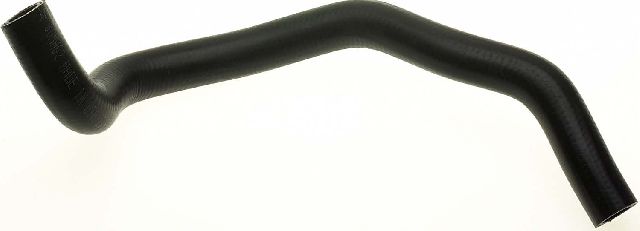
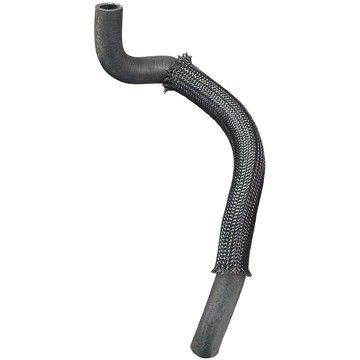
The rubber hoses in your Prius's cooling system get brittle and weak over time. Constant exposure to high-temperature engine coolant causes them to crack, swell, or become mushy. A failing HVAC heater hose can lead to coolant leaks, which may cause engine overheating—a serious risk for any vehicle, especially a complex hybrid like the Prius.
Key Failure Symptoms
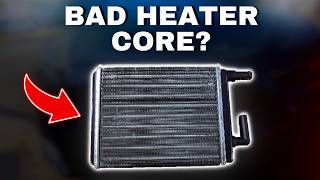
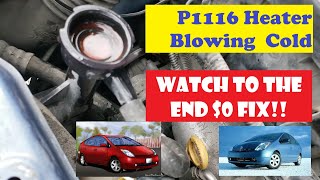
- No Heat in the Cabin: This is a primary symptom. If the hose is leaking, clogged, or collapsed, hot coolant can't reach the heater core, leaving you in the cold. 🎬 Watch this guide on troubleshooting no heat in your Prius. Low coolant levels from a leak are a common cause of no heat, as the heater core is often the highest point in the system.
- Coolant Leaks: You might see pink or red puddles of coolant under your car, especially towards the back of the engine bay near the firewall. Sometimes the leak is slow, and you'll only notice a constantly low coolant reservoir. 🎬 See how to fix disappearing coolant on a high-mileage Prius.
- Sweet Smell: A distinct, sweet smell like maple syrup inside or outside the car is a sure sign of a coolant leak. You might notice this smell coming through the vents.
- Visible Hose Damage: Inspect the hoses connected to the firewall. Look for cracks, splits, bulges, or soft, spongy spots. Any visible damage means the hose is compromised and should be replaced.
- Engine Overheating: A significant coolant leak from a ruptured heater hose can cause the engine to overheat. This is a critical issue that can lead to severe engine damage.
Generation Differences
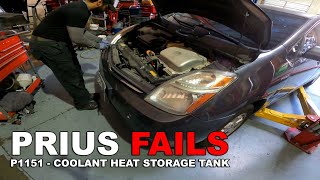
The 2001-2009 period covers two Prius generations. The Gen 1 (2001-2003) has a more traditional heating system. The Gen 2 (2004-2009) introduced a Coolant Heat Storage Tank and a 3-way coolant flow control valve. This system is more complex, with additional hoses. A failure in the valve or its associated hoses can cause heating problems and may trigger specific error codes like P1121. 🎬 Learn how to replace the coolant heat storage tank. When ordering parts, ensure they are correct for your specific model year.
Choosing the Right Aftermarket Hose
For a part like a heater hose, the quality of the rubber is what matters most. While OEM (Original Equipment Manufacturer) hoses from Toyota are always a safe bet, high-quality aftermarket brands offer reliable performance at a better price. Brands like Gates, Dayco, and Continental are major manufacturers who often supply the original parts to carmakers.
| Brand Tier | Brands | Quality & Notes |
|---|---|---|
| Premium Aftermarket | Gates, Continental | Generally considered top-tier. Gates is frequently recommended by professionals for its fit and material quality, which is often equal to OEM. Continental is another strong choice known for durable rubber compounds. |
| Standard Aftermarket | Dayco | Dayco produces reliable hoses made from EPDM rubber that meet automotive standards. While some mechanics have noted occasional fitment issues compared to Gates or OEM, they are a solid and widely available option. |
| OEM | Toyota | Offers a guaranteed perfect fit and material quality engineered for the Prius. It's the most expensive option but provides peace of mind. |
Pro Tip: Replace the Clamps
Always replace the hose clamps when you replace the hoses. Spring-style clamps can lose their tension over time, and screw-type clamps can rust. New clamps are inexpensive and ensure a secure, leak-free seal.
Frequently Asked Questions (FAQ)
Are there any recalls for the 2001-2009 Prius heater hose?
No, there are no specific recalls for the HVAC heater hoses on the 2001-2009 Toyota Prius. Searches of the NHTSA database show recalls for this generation related to steering and floor mats, but not the cooling or heater hoses.
Is a leaking heater hose an urgent repair?
Yes. A coolant leak of any kind is urgent. If the hose fails completely while driving, you can lose a large amount of coolant quickly, leading to engine overheating and potentially catastrophic engine damage. It's best to address any leak, no matter how small, as soon as possible.
Why is my Prius heater blowing cold air after a coolant service?
The Prius cooling system, especially on Gen 2 models, can be difficult to bleed of air. Trapped air often gets stuck in the heater core, preventing hot coolant from circulating. This results in no heat. The system must be properly "burped" using a specific procedure, which may involve putting the car into maintenance mode to keep the engine running.
Can I replace the heater hose myself?
For a moderately experienced DIY mechanic, this is a feasible job. Accessing the hoses at the firewall can be tight, and you will need to drain and refill the coolant. Special pliers for spring-style hose clamps are very helpful. If you are not comfortable working with the cooling system, it's best to leave this job to a professional.
Helpful Videos

Technical Specifications
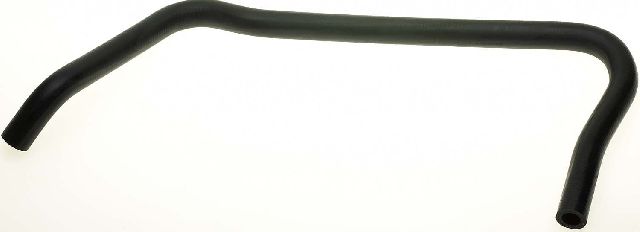
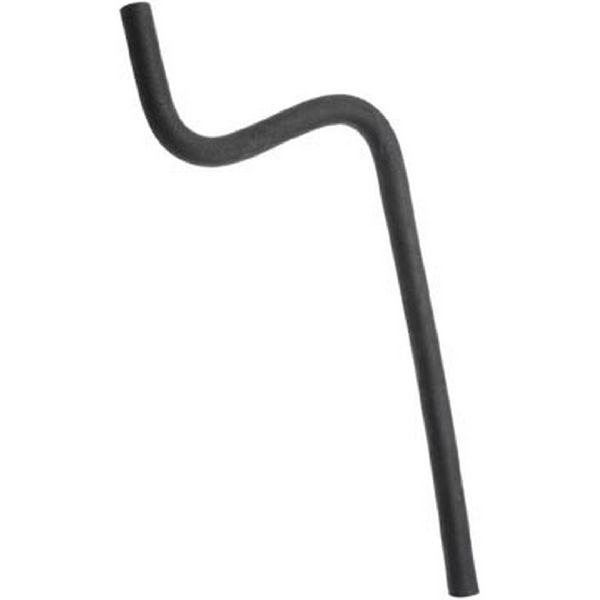
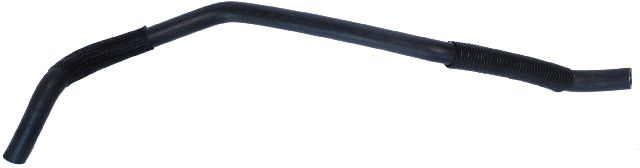
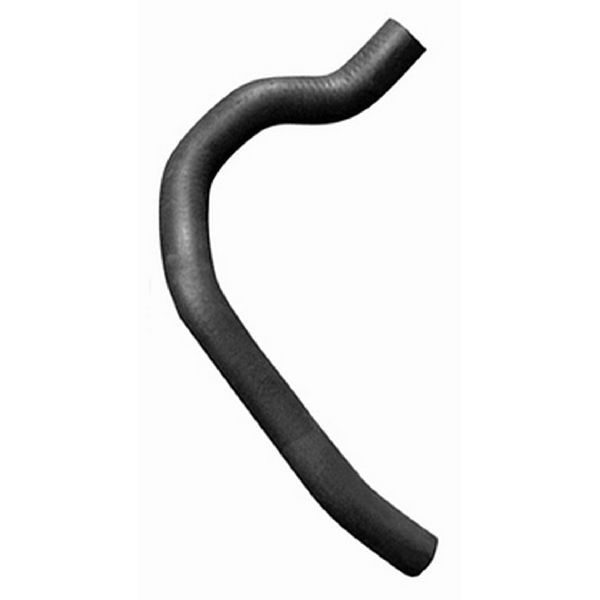
OEM Part Numbers: 16261-21030 16264-21030
The 2001-2009 Prius uses a complex cooling system with two separate loops: one for the gasoline engine and one for the hybrid inverter components. The HVAC heater hoses are part of the engine cooling loop. Gen 2 (2004-2009) models also integrate a Coolant Heat Storage Tank and a 3-way coolant control valve into this system. Hoses are typically made of durable EPDM rubber to withstand high temperatures and coolant chemicals.
We Have This Part in Stock

The information in this article is provided for general reference and educational purposes only. Vehicle specifications, procedures, and part compatibility can vary by production date, trim level, and region. Always consult your vehicle's factory service manual and verify part numbers before purchasing or performing repairs. Safety-critical components such as airbags, seat belts, and braking systems should be installed by a qualified professional.
- Toyota Prius: