

Volkswagen Rabbit Engine Coolant Temperature Sensor: A Complete Guide (2006-2009)
If your 2006-2009 Rabbit is running rough, overheating, or getting poor gas mileage, the coolant temperature sensor could be the culprit.
- A bad ECTS on a Rabbit causes poor fuel economy, overheating, and an erratic temp gauge.
- Replacement is simple for DIYers; be ready to swap the sensor quickly to avoid significant coolant loss.
- High-quality aftermarket brands like Hella, Delphi, and Vemo offer reliable performance for less than OEM prices.
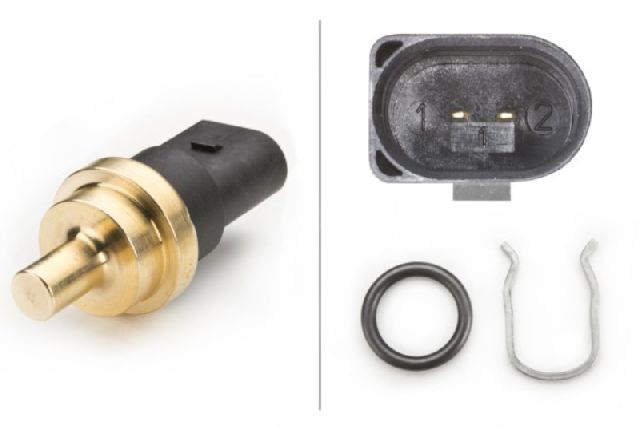
- Always replace the O-ring and retaining clip with the sensor to ensure a leak-free seal.
Is Your Rabbit's Coolant Temp Sensor Failing?
A bad Engine Coolant Temperature Sensor (ECTS) can cause a surprising number of problems in your 2006-2009 VW Rabbit. Because the sensor's reading affects so many engine functions, a false signal—like telling the engine it's cold when it's actually hot—can lead to noticeable issues. Watch for these common signs of failure.
Key Symptoms of a Bad ECTS:
- Check Engine Light: This is often the first sign. A failing sensor will trigger fault codes like P0116, P0117, or P0118.
- Poor Fuel Economy: If the sensor incorrectly tells the ECU the engine is cold, the computer will enrich the fuel mixture, wasting gas.
- Engine Overheating: A faulty sensor may fail to signal the ECU to turn on the radiator fans when needed, causing the engine to overheat, especially in traffic.
- Erratic Temperature Gauge: The gauge on your dashboard might swing wildly, stay on cold, or jump straight to hot.
- Black Smoke from Exhaust: This is a sign of a rich fuel mixture, where too much gasoline is being burned.
- Rough Idle or Stalling: The engine may run poorly, hesitate, or stall because the fuel and air mixture isn't correct for the actual engine temperature.
Choosing the Right Aftermarket Sensor
For a part like the ECTS, you don't always need to pay dealership prices for an OEM part. Many aftermarket brands produce high-quality sensors that meet or exceed original specifications. Here’s a breakdown of the brands available to help you choose.
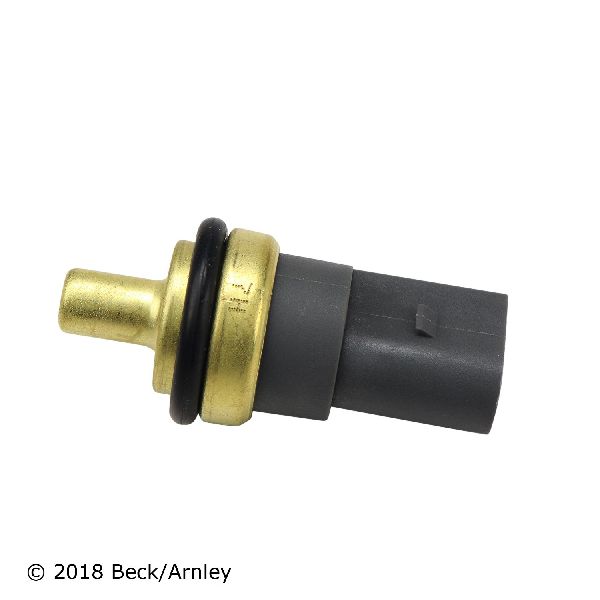
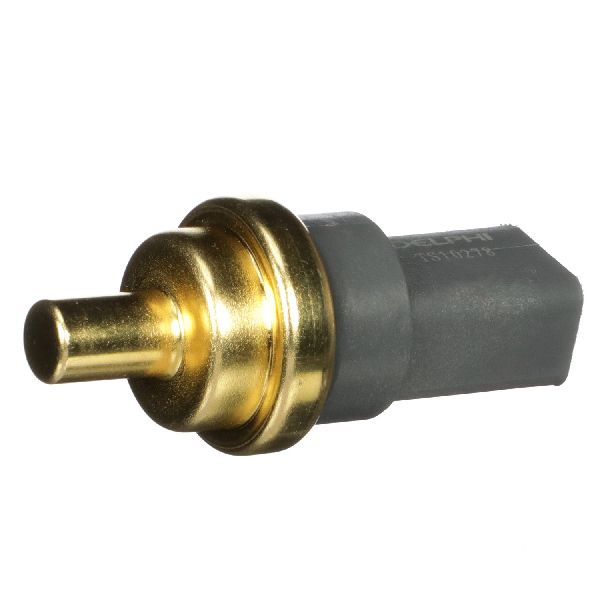
- OEM-Quality Tier (Excellent Choice): Brands like Hella, Vemo, and Delphi are often original equipment suppliers to Volkswagen or have a strong reputation for quality electronics. These are trusted choices for reliability and proper function.
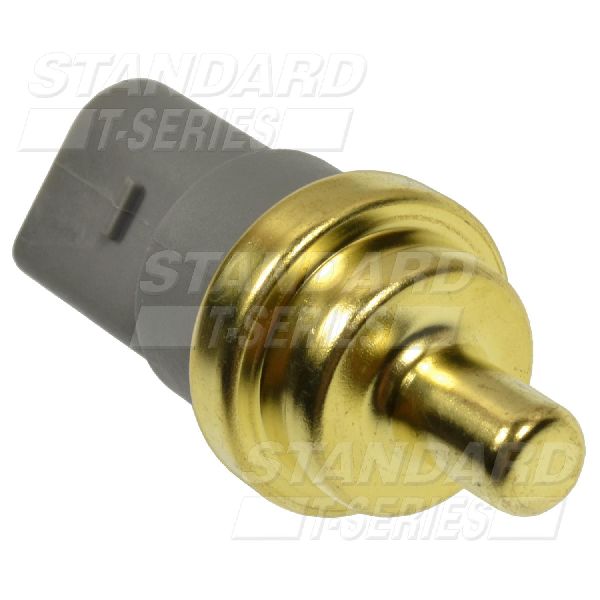
- Reputable Aftermarket Tier (Good Value): Brands such as Beck Arnley, Standard Ignition (SMP), and NGK/NTK have a long history of making reliable replacement parts. They offer a great balance of price and quality for this repair.
- Standard Replacement Tier (Budget-Friendly): Brands like Four Seasons, Holstein, and Motorad provide a cost-effective solution that will get the job done. While they may not have the same OEM pedigree, they are a viable option for a simple sensor replacement.
Known Issues for the 2006-2009 VW Rabbit
While older VW models (like the Mk4 Golf) were famous for issues with their black plastic coolant sensors, the sensor in the Mk5 Rabbit (2006-2009) is a different design and generally more reliable. However, like any sensor, it can still fail from age or heat cycles. Searches for official recalls or Technical Service Bulletins (TSBs) from the NHTSA did not show any specific campaigns for the engine coolant temperature sensor itself on this model range. The most common issue is simply failure due to age, leading to the symptoms listed above.
Expected Replacement Cost
Replacing the ECTS is one of the more affordable repairs you can perform on your Rabbit. The part itself is inexpensive, and labor is minimal.
| Part/Service | Estimated Cost |
|---|---|
| New OEM Sensor | $50 - $90 |
| New Aftermarket Sensor | $13 - $44 |
| Shop Labor | $60 - $120 |
| Total (DIY) | $13 - $44 |
| Total (Shop) | $73 - $164 |
Frequently Asked Questions
Can I replace the coolant temperature sensor myself?
Yes, this is a very DIY-friendly job for most home mechanics. The sensor is usually held in by a simple plastic clip and can be accessed from the top of the engine. The key is to be quick when swapping the old sensor for the new one to minimize coolant loss.
Do I need to drain all the coolant first?
No, a full drain is not necessary. If you have the new sensor ready to go, you can pull the old one out and quickly plug the new one in. You will only lose a small amount of coolant, which you can top off afterward. Make sure the engine is completely cool before starting.
Where is the sensor located on the 2.5L engine?
On the 2.5L engine in the 2006-2009 Rabbit, the primary coolant temperature sensor is typically located on the driver's side of the engine block in a plastic coolant flange. Some VW models have a second sensor on the lower radiator hose that helps control the cooling fans. Check your specific vehicle, but the one on the engine block is the primary sensor for the ECU.
Should I replace the thermostat at the same time?
It's not required, but it can be a good idea, especially if your car has high mileage or if you're also having issues with the engine taking a very long time to warm up. The thermostat and ECTS work together, and replacing them at the same time can save you future labor.
Technical Specifications
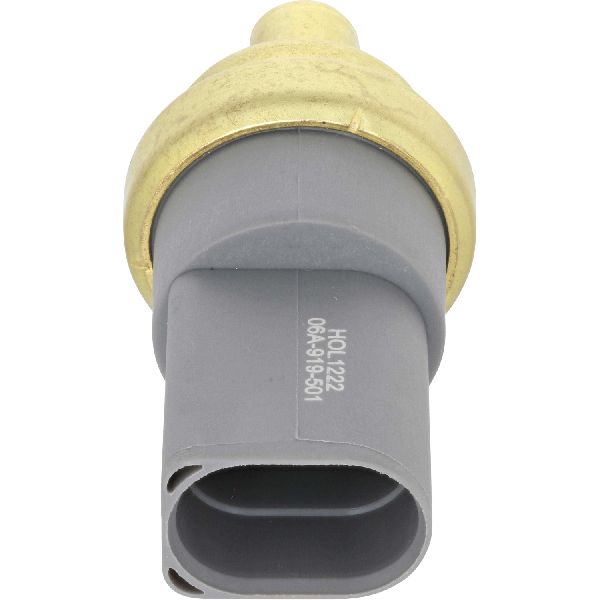
OEM Part Numbers: 06A919501A 059919501A
The sensor for the 2006-2009 Rabbit is typically a 2-pin, plug-in style sensor that is held in place by a C-clip. Always verify the exact part number with your vehicle's VIN before ordering.
We Have This Part in Stock


The information in this article is provided for general reference and educational purposes only. Vehicle specifications, procedures, and part compatibility can vary by production date, trim level, and region. Always consult your vehicle's factory service manual and verify part numbers before purchasing or performing repairs. Safety-critical components such as airbags, seat belts, and braking systems should be installed by a qualified professional.
- Volkswagen Rabbit: