

A Guide to Replacing the Radiator in Your 2001-2010 Chrysler PT Cruiser
Solve overheating and coolant leaks by choosing the right new aftermarket radiator for your PT Cruiser.
- Overheating is a serious issue for PT Cruisers; address it immediately to avoid engine damage.
- The most common failure is the plastic side tanks cracking and leaking coolant.
- Verify if your car is Turbo or Non-Turbo and has an automatic or manual transmission before ordering to ensure you get the correct radiator.
- After installation, it is critical to properly bleed all air from the cooling system to prevent overheating.
Is Your PT Cruiser's Radiator Failing?

Overheating is a well-known problem for the Chrysler PT Cruiser, and a failing radiator is often the cause. If your temperature gauge is climbing, especially when idling or in slow traffic, it's a sign your cooling system needs immediate attention. 🎬 Watch: How to diagnose your overheating issues correctly the first time. Don't ignore these symptoms, as severe overheating can lead to major engine damage, like a warped cylinder head.
Common Symptoms of a Bad Radiator:
- Engine Overheating: The temperature gauge reads higher than normal or enters the red zone.
- Coolant Leaks: You may see puddles of green, orange, or pink fluid under the front of your car. These leaks often come from cracks in the radiator's plastic side tanks.
- Low Coolant Levels: Constantly needing to add coolant to the reservoir is a sign of a leak somewhere in the system.
- Sweet Smell: Burning coolant has a distinct sweet smell you might notice from the engine bay or through your vents.
- Visible Damage: You might see bent fins, corrosion, or obvious cracks on the radiator itself.
A Common Point of Failure
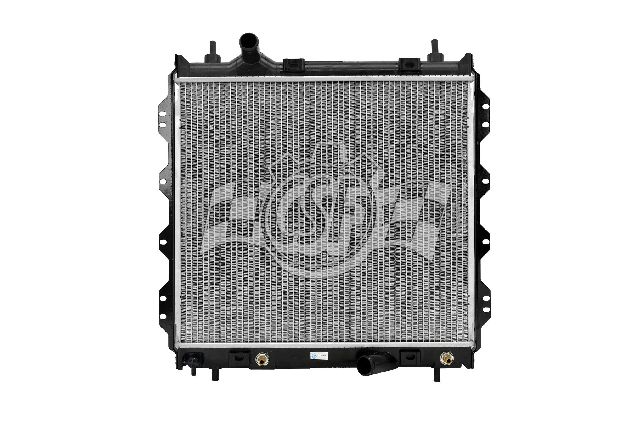
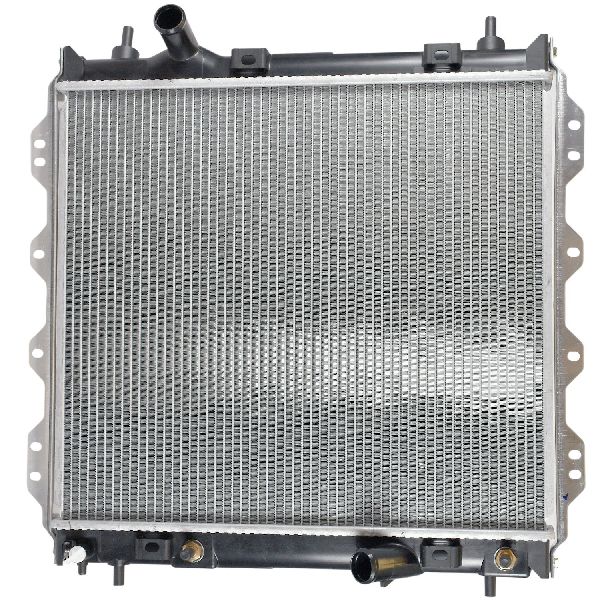
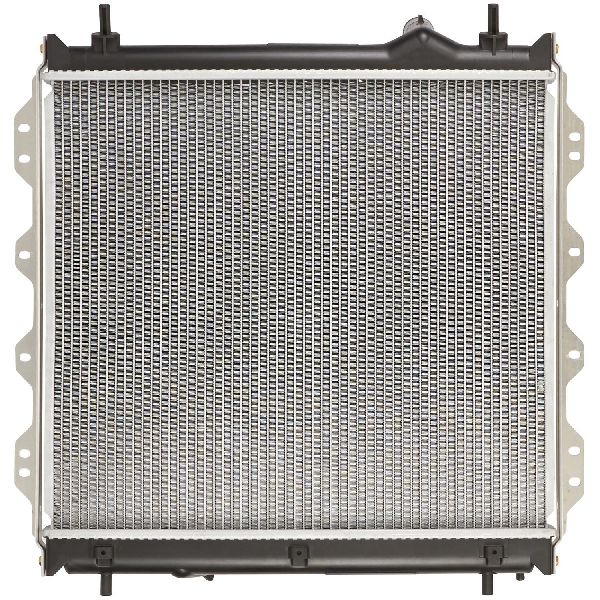
The original radiators on the 2001-2010 PT Cruiser are known to fail where the plastic side tanks are crimped to the aluminum core. Over time, the plastic becomes brittle from constant temperature changes and can crack, causing leaks. The plastic filler neck where you add coolant is another common weak spot that can split.
Choosing the Right Aftermarket Radiator


For a vehicle the age of the PT Cruiser, a new aftermarket radiator offers the best value. The quality of premium aftermarket parts often meets or exceeds the original factory part, which is now over a decade old. When shopping, you'll find brands in a few different quality tiers.
Premium & OE-Style Brands:
- Denso: A top-tier manufacturer known for making original equipment parts for many car brands. They have a strong reputation for quality and fit.
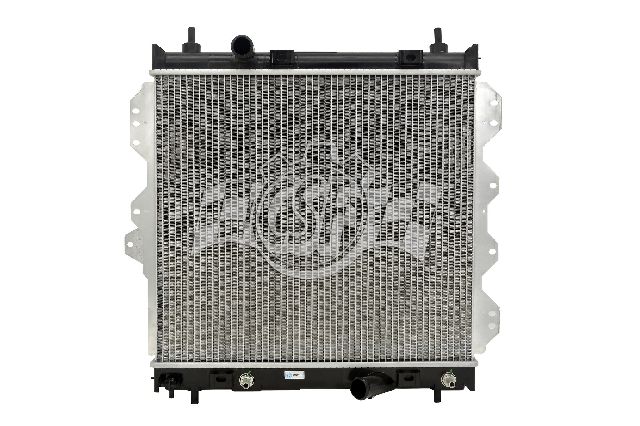
- CSF Radiator: A well-regarded brand in the cooling system world, often considered a reliable OE-style replacement.
- Nissens: Another brand with a strong reputation, known for being an OE supplier for many European cars. Forum users often report good experiences with their quality.
Standard & Value Brands:
- Spectra: A widely available brand that provides a solid balance of price and performance for daily driving.
- APDI: This brand is a value-focused option. However, be aware that some owners have reported fitment issues, particularly with the transmission cooler line connections. Double-check the part before installation.
Economy Brands:
- Global Parts, One Stop Solutions, Onix: These brands are typically the most affordable. They can be a good choice for a budget repair, but may not offer the same long-term durability or perfect fit as premium brands.
Check Your Transmission Type!
PT Cruisers with an automatic transmission have a built-in cooler for the transmission fluid located inside the radiator. When ordering, you MUST select the correct radiator for your transmission type (Automatic or Manual). Also, be sure to verify if you have the Turbo or Non-Turbo engine, as the radiators can be different. Using the wrong part can lead to transmission failure.
Radiator Replacement Cost for PT Cruiser
The cost to replace the radiator can vary. Having a professional mechanic do the job will cost more but provides peace of mind. A DIY replacement can save you significant money on labor.
| Part or Service | Estimated Cost |
|---|---|
| Shop Labor | $268 - $394 |
| New Aftermarket Radiator | $118 - $176 |
| New OEM (Mopar) Radiator | ~$582 |
| Total Professional Replacement | $386 - $570 (Aftermarket) |
Frequently Asked Questions

Is there a recall on the PT Cruiser radiator?
No. While overheating is a common complaint, there have been no official safety recalls issued by Chrysler or the NHTSA for the radiator on any 2001-2010 PT Cruiser model.
How hard is it to replace the radiator myself?
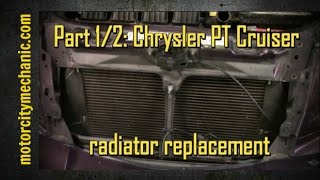
For a DIY mechanic, this job is moderately difficult. The engine bay is cramped, which makes access challenging. The job requires removing the grille, battery and tray, and upper radiator support to get the old radiator out. Expect it to take a few hours. If you are not comfortable draining fluids and removing multiple components, it's best to leave this job to a professional.
🎬 See this step-by-step walkthrough for removing and replacing the radiator.Why does my PT Cruiser overheat even with a new radiator?
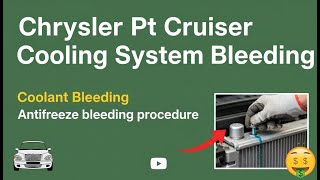
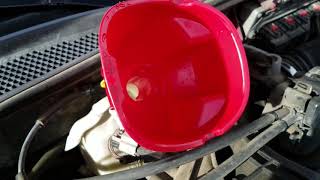
If you've replaced the radiator and still have overheating issues, there are other parts to check. The most common culprits are a faulty radiator fan that isn't turning on, a stuck thermostat, a bad water pump, or air trapped in the cooling system. It is critical to properly bleed the air out of the system after replacing the radiator.
🎬 Watch: How to properly bleed air from the cooling system.Should I replace the radiator cap and hoses at the same time?
Yes, it is highly recommended. A radiator cap is a cheap but vital part that holds pressure in the system; if it fails, the system can't work correctly. Hoses become brittle and weak over time. Replacing them with the radiator is smart preventative maintenance and can save you from having to do the job twice.
Helpful Videos


Technical Specifications
OEM Part Numbers: 5019520AC 5019520AD 5278875AA 5019521AC
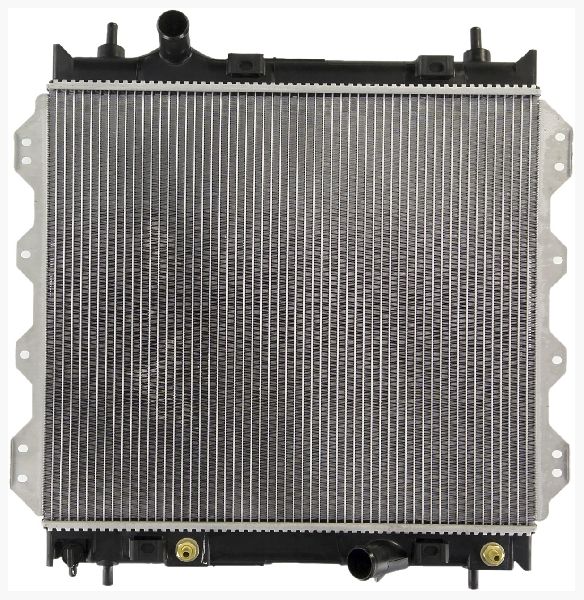
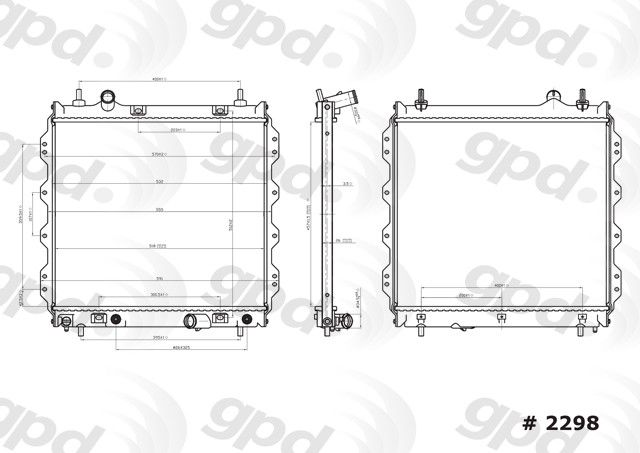
Constructed with plastic tanks and an aluminum core. Key variations exist for Turbo vs. Non-Turbo engines and for automatic vs. manual transmissions due to the integrated transmission fluid cooler in automatic models.
We Have This Part in Stock

The information in this article is provided for general reference and educational purposes only. Vehicle specifications, procedures, and part compatibility can vary by production date, trim level, and region. Always consult your vehicle's factory service manual and verify part numbers before purchasing or performing repairs. Safety-critical components such as airbags, seat belts, and braking systems should be installed by a qualified professional.
- Chrysler PT Cruiser:
- 🎬 Helpful Videos
- 🛍️ Shop This Part
- Is Your PT Cruiser's Radiator Failing?
- Common Symptoms of a Bad Radiator:
- A Common Point of Failure
- Choosing the Right Aftermarket Radiator
- Premium & OE-Style Brands:
- Standard & Value Brands:
- Economy Brands:
- Check Your Transmission Type!
- Radiator Replacement Cost for PT Cruiser
- Frequently Asked Questions
- 🎟️ Get 5% Off