

Chrysler PT Cruiser Input and Output Speed Sensor Guide (2001-2010)
Solve your PT Cruiser's erratic speedometer and harsh automatic shifting by understanding its two critical transmission speed sensors.
- Your PT Cruiser has two distinct transmission speed sensors (Input and Output) that are not interchangeable.
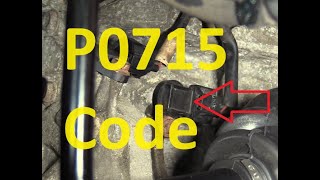
- Diagnose with a code scanner before buying; P0715 indicates the Input sensor, and P0720 indicates the Output sensor.
- This is a very DIY-friendly repair, accessible from the top of the engine bay after removing the airbox.
- Quality aftermarket sensors are a reliable and cost-effective solution for this common PT Cruiser issue.
Understanding Your PT Cruiser's Speed Sensors

If your PT Cruiser's automatic transmission is shifting hard, getting stuck in one gear (often called 'limp mode'), or the speedometer is acting erratically, a failing speed sensor is a very common cause. It's important to know that your vehicle has two of these sensors on the transmission: an Input Speed Sensor (ISS) and an Output Speed Sensor (OSS). They work as a team, but they fail individually and cause slightly different problems. Diagnosing the correct one is key to buying the right part.
Symptoms of a Failing Speed Sensor
A check engine light is the most common sign, but specific symptoms can help you tell which sensor might be the problem before you even scan for codes.
- Bad Output Speed Sensor (OSS): This is the most common failure of the two. The primary symptoms are an erratic or completely dead speedometer and the transmission getting stuck in second gear. This will almost always trigger the check engine light with code P0720.
- Bad Input Speed Sensor (ISS): A faulty input sensor primarily causes harsh, delayed, or improper gear shifts because the transmission controller is missing half of the data it needs to make smooth changes. This will trigger the check engine light with code P0715.
- Other General Symptoms: For either sensor failure, you may also notice that the cruise control no longer works.
Don't Confuse with ABS Sensors
Your PT Cruiser also has wheel speed sensors at each wheel, which are part of the Anti-lock Brake System (ABS). These are sometimes called ABS sensors. If your ABS or Traction Control light is on, but your transmission is shifting normally, you likely have a bad wheel speed sensor, not a transmission speed sensor. This guide focuses only on the two transmission speed sensors.
Choosing the Right Aftermarket Speed Sensor
When shopping for a replacement speed sensor for your PT Cruiser, you'll find original Mopar parts and many aftermarket options. For a simple electronic part like this, a quality aftermarket sensor is a reliable and cost-effective choice that many owners make. While OEM parts offer a guarantee of fit and quality, reputable aftermarket brands provide excellent value for this repair. The failure is common due to age and heat, and aftermarket parts are a perfectly acceptable solution without a significant difference in lifespan for this component.
| Part Type | Estimated Cost |
|---|---|
| New Aftermarket Sensor | $22.47 - $24.85 |
| New OEM (Mopar) Sensor | $50 - $75 |
| Shop Labor | $37 - $54 |
Pro Tip: Diagnose Before You Buy
Since the input and output sensors are different parts, it's crucial to get your vehicle's computer scanned for trouble codes. An auto parts store can often do this for free. A P0715 code points to the input sensor, while a P0720 code points to the output sensor. This ensures you buy the correct part and fix the problem on the first try.
Frequently Asked Questions (FAQ)

Where are the speed sensors located on my PT Cruiser?
Both the input and output speed sensors are located on the front of the automatic transmission. You can access them from the top of the engine bay by removing the air filter housing. The input sensor is typically closer to the engine, and the output sensor is a few inches away from it.
Can I replace a PT Cruiser speed sensor myself?
Yes, this is a great DIY job for a home mechanic. Each sensor is held in by a single bolt and has a simple electrical connector. After removing the airbox for access, the replacement can often be done in under an hour with basic hand tools.
🎬 Watch this video to see the sensor location and replacement steps.Do I need to replace both sensors at the same time?
No, it is not necessary. You only need to replace the sensor that has failed. A proper diagnosis with a scan tool will help you identify the specific faulty sensor, saving you from buying unnecessary parts.
What happens if I don't replace a bad speed sensor?
Ignoring a failing speed sensor can lead to bigger problems. Continuous harsh shifting can cause premature wear and damage to your transmission's internal components. Driving with an inaccurate or non-working speedometer is also a safety risk and may be illegal.
Helpful Videos

Technical Specifications
OEM Part Numbers: 4800879 4707839AA 5033202AB
The automatic transmission uses two distinct 2-terminal sensors: an Input Speed Sensor (ISS) and an Output Speed Sensor (OSS). They are located on the front of the transaxle housing.

The information in this article is provided for general reference and educational purposes only. Vehicle specifications, procedures, and part compatibility can vary by production date, trim level, and region. Always consult your vehicle's factory service manual and verify part numbers before purchasing or performing repairs. Safety-critical components such as airbags, seat belts, and braking systems should be installed by a qualified professional.
- Chrysler PT Cruiser: