

Chrysler PT Cruiser Vehicle Speed Sensor Guide for 2001-2010 Models
Fix your PT Cruiser's erratic speedometer and shifting problems by choosing the right speed sensor.
- Your PT Cruiser has two distinct speed sensors (input and output); diagnose the correct one before purchasing.
- A faulty speed sensor directly impacts automatic transmission shifting and can cause damage if ignored.
- Symptoms include an erratic speedometer, harsh shifting, and an active Check Engine Light with codes P0715 or P0720.
- This is a manageable DIY repair for most, with the sensors accessible from the top of the engine bay after removing the airbox.
Is Your PT Cruiser Acting Strange? It Could Be a Speed Sensor.

If your PT Cruiser's speedometer is jumping around, or if the automatic transmission is shifting hard, late, or getting stuck in one gear, a bad vehicle speed sensor is a likely culprit. These sensors are critical for proper transmission function, and a failure can make your car difficult and unsafe to drive. Because your PT Cruiser has two separate sensors (input and output), it's important to diagnose the problem correctly before buying parts.
Understanding Input vs. Output Speed Sensors
Your PT Cruiser's automatic transmission uses two speed sensors that work together. It's a common point of confusion, but they are not interchangeable.
- Input Speed Sensor (ISS): Also called the Turbine Speed Sensor (TSS). It measures the rotational speed of the transmission's input shaft. A failure here often results in a Check Engine Light with codes like P0715.
- Output Speed Sensor (OSS): This sensor measures the speed of the transmission's output shaft, which is directly related to your vehicle's road speed. A failure here is a common cause of an erratic or dead speedometer and can trigger codes like P0720.
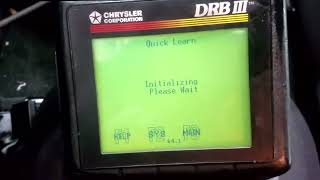
Pro Tip: A diagnostic scan tool that can read transmission codes is the best way to determine which sensor has failed. Codes like P0715 point to the input sensor, while P0720 points to the output sensor. 🎬 Watch: Using a diagnostic tool to fix speedometer issues Many auto parts stores will scan your codes for free.
Choosing the Right Aftermarket Speed Sensor
When it comes to electronic parts for Chrysler vehicles of this era, not all aftermarket brands are created equal. While an OEM Mopar sensor is always an option, several aftermarket brands offer a good balance of quality and price.
- OEM-Equivalent Quality (Recommended): Brands like Delphi and NTK are often original equipment manufacturers or produce parts to the same high standards. For critical components like transmission sensors, spending a little more on these brands can prevent future headaches.
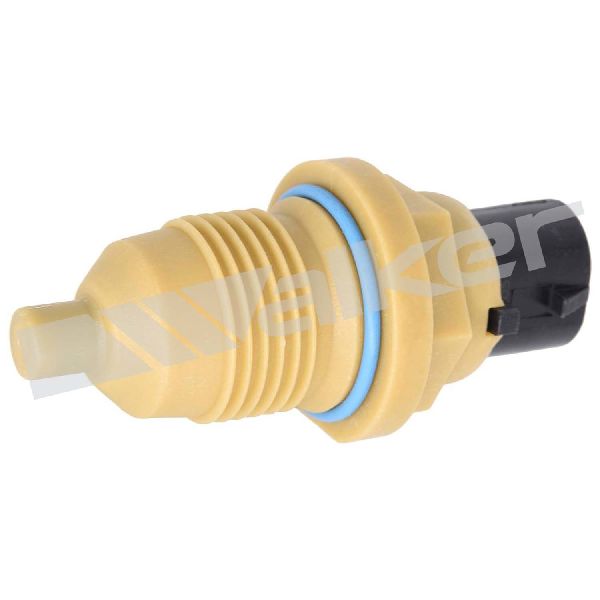
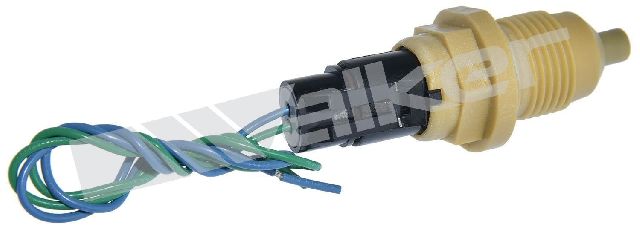
- Reputable Aftermarket: Brands like Standard Ignition (Standard Motor Products), Dorman, and Walker Products are well-known in the aftermarket and generally offer reliable parts that are a good value. They are a solid choice for a cost-effective repair.
- Economy Brands: Brands like URO Parts or other lesser-known names may offer the lowest price, but quality can be inconsistent. While they may work, they might not have the same durability as higher-tier options. Consider these if budget is the absolute primary concern.
Known Issues, Recalls, and TSBs
A search of the National Highway Traffic Safety Administration (NHTSA) database and other technical resources did not reveal any specific recalls or widespread Technical Service Bulletins (TSBs) for the vehicle speed sensors on the 2001-2010 Chrysler PT Cruiser. Most issues are related to normal wear and tear of the electronic components over time. One TSB (18-029-03) from 2003 for turbo models mentions replacing the PCM for high-RPM misfires, but it is not directly related to speed sensor failure.
Replacement Cost Comparison
| Part Type | Estimated Cost |
|---|---|
| New Aftermarket Sensor | $13.98 - $66.47 |
| New OEM (Mopar) Sensor | $53.00 - $70.00 |
| Shop Labor | $37 - $54 |
| Total Professional Repair (Aftermarket Part) | $51 - $121 |
Frequently Asked Questions (FAQ)

Where are the speed sensors located on my PT Cruiser?
Both the input and output speed sensors are located on the front of the automatic transaxle. You can typically access them from the top of the engine bay after removing the air filter box. The input sensor is usually closer to the engine, while the output sensor is slightly further away.
Can I replace a speed sensor myself?
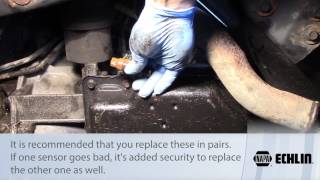
Yes, this is a DIY-friendly repair for many home mechanics. The sensors are usually held in by a single bolt and have a simple electrical connector. The main challenge is often accessing them, which requires removing the airbox. You will need basic hand tools, including a 1-inch socket 🎬 Watch: Step-by-step installation of input and output sensors for the sensor itself.
Do I need to replace both sensors at the same time?
No, it is not necessary. You only need to replace the sensor that has failed. A proper diagnosis with a scan tool will help you identify the faulty sensor and save you from buying unnecessary parts.
What happens if I don't replace a bad speed sensor?
Ignoring a failing speed sensor can lead to more significant problems. Continuous harsh shifting can cause premature wear on your transmission's internal components. Driving with an inaccurate speedometer is also a safety risk, as you may not be aware of your true speed.
Helpful Videos
Technical Specifications
OEM Part Numbers: 4800879 4707839AA 5033202AB
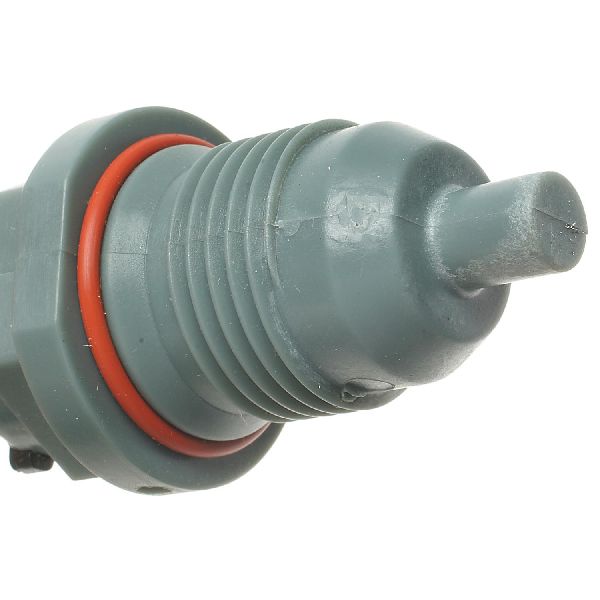
The 2001-2010 PT Cruiser uses separate input and output speed sensors for the automatic transmission. They are typically 2-terminal magnetic sensors that generate a signal based on the rotation of a reluctor wheel inside the transaxle.
We Have This Part in Stock


The information in this article is provided for general reference and educational purposes only. Vehicle specifications, procedures, and part compatibility can vary by production date, trim level, and region. Always consult your vehicle's factory service manual and verify part numbers before purchasing or performing repairs. Safety-critical components such as airbags, seat belts, and braking systems should be installed by a qualified professional.
- Chrysler PT Cruiser: