

2001-2010 Chrysler Sebring Transmission Input Speed Sensor: A Mechanic's Guide
If your Sebring's transmission is acting up, this sensor is a common and easy-to-fix problem.
- A bad input speed sensor is a very common cause of 'limp mode' and bad shifting on 2001-2010 Sebrings.
- This is an easy and inexpensive DIY repair that requires basic tools and less than an hour.
- It is strongly recommended to replace both the input and output speed sensors at the same time, as they are often identical parts that fail around the same time.
- For this specific vehicle, using a quality aftermarket brand like NGK (NTK) or Standard Ignition (SMP) is worth the extra cost over budget brands.
Is Your Sebring Shifting Badly? It Could Be This Sensor.
If you own a 2001-2010 Chrysler Sebring, especially one with the 4-speed automatic 41TE transmission, you might experience transmission problems. These issues often feel serious, but many times the cause is a small, inexpensive part: the automatic transmission input shaft speed sensor. This sensor is a known weak point on these Chrysler transmissions. Before you panic and budget for a new transmission, you should check this sensor.
Symptoms of a Failing Input Speed Sensor
When the input speed sensor goes bad, it can't send the right signals to your car's computer. This causes several obvious problems. You might notice one or more of these symptoms:
- Limp Mode: This is the most common and frustrating symptom. The transmission will get stuck in second gear to protect itself from damage. Your car will be slow to accelerate and won't shift up. 🎬 Watch: How to fix limp mode with an easy repair
- Harsh or Erratic Shifting: Your transmission may slam into gear, shift at the wrong times, or seem to slip between gears.
- Check Engine Light: A failing sensor will almost always trigger the check engine light. You will likely see code P0715 (Input/Turbine Speed Sensor Circuit Malfunction) or the general transmission code P0700.
- Bouncing Speedometer: Even though the output sensor is mainly responsible for the speedometer, a bad input sensor can sometimes cause the needle to jump around or read incorrectly.
Pro Tip: Check Your Alternator First
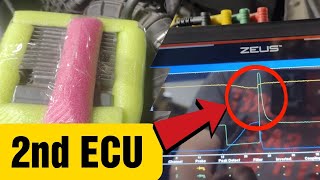
On some Chrysler vehicles, a failing alternator can create electrical interference or "noise" that makes the transmission computer think the speed sensors are bad. If you have a bouncing speedometer along with shifting issues, it's worth getting your alternator tested before replacing sensors.
Choosing the Right Aftermarket Sensor
For Chrysler transmissions, the quality of electronic parts matters a lot. While an OEM Mopar sensor is always a safe bet, high-quality aftermarket parts can offer similar performance for less money. It is often a good idea to avoid the cheapest options, as they may not last long or work correctly.
Brand Quality Tiers
- Top Tier (OEM Equivalent): Brands like NGK (NTK) are known for making sensors that meet or exceed original factory specifications. They are a trusted choice for reliability and are often considered the best aftermarket option.
- Mid-Grade (Reliable Aftermarket): Brands like Standard Ignition (SMP) and ATP have a long history of making dependable aftermarket parts. They offer a good balance of quality and price and are a solid choice for most repairs.
- Economy (Budget-Friendly): Brands like Pioneer Cable and True Tech fall into the budget category. While the low price is appealing, their long-term reliability can be a gamble. For a critical sensor like this on a picky Chrysler transmission, it's usually better to spend a little more for a part from a higher tier.
Common Mistake: Replacing Only One Sensor
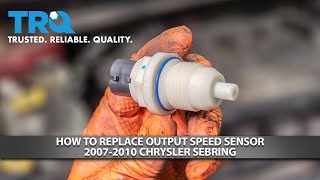
The input and output speed sensors on the 41TE transmission are often the exact same part and are located right next to each other. They also tend to fail around the same time. 🎬 Watch: How to replace the output speed sensor It is highly recommended to replace both the input and output sensors at the same time. This saves you from having to do the same job twice in the near future.
Cost to Replace the Input Speed Sensor
This is a relatively inexpensive repair, especially if you do it yourself. The part itself is affordable, and the labor is minimal.
| Part or Service | Estimated Cost |
|---|---|
| New Aftermarket Sensor | $28 - $93 |
| Shop Labor | $50 - $100 |
| Total Estimated Cost (At a Shop) | $78 - $193 |
Frequently Asked Questions
Where is the input speed sensor located on a 2001-2010 Sebring?
The input speed sensor is located on the front of the automatic transmission, typically below the air filter box. You will see two identical sensors next to each other; the input sensor is usually the one closer to the engine. You will need to remove the airbox to get access.
Is this a difficult repair to do myself?
No, this is a great DIY job for a beginner. The sensor is held in by one bolt and is easy to access after removing the airbox. The tools needed are basic: a ratchet, a 1-inch socket, and a flathead screwdriver. The whole job should take less than an hour.
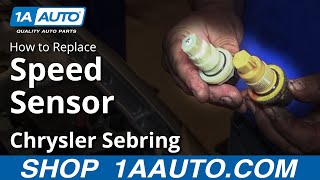
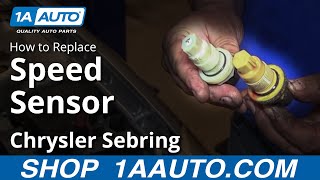
🎬 See this step-by-step walkthrough for replacing the speed sensorDo I need to do a 'relearn' procedure after replacing the sensor?
Generally, no special relearn procedure is required. After replacing the sensor(s), it's a good idea to clear the trouble codes with a scan tool or disconnect the battery for about 15 minutes to reset the computer. The transmission computer will then adapt to the new sensor as you drive.
What is 'Limp Mode?'
Limp mode is a safety feature that protects your transmission from further damage when it detects a serious problem. It limits the transmission to a single gear (usually second) and may reduce engine power. This allows you to 'limp' home or to a repair shop without causing catastrophic failure.
Helpful Videos
Technical Specifications
OEM Part Numbers: 4800878 4800879AB 04800879AB
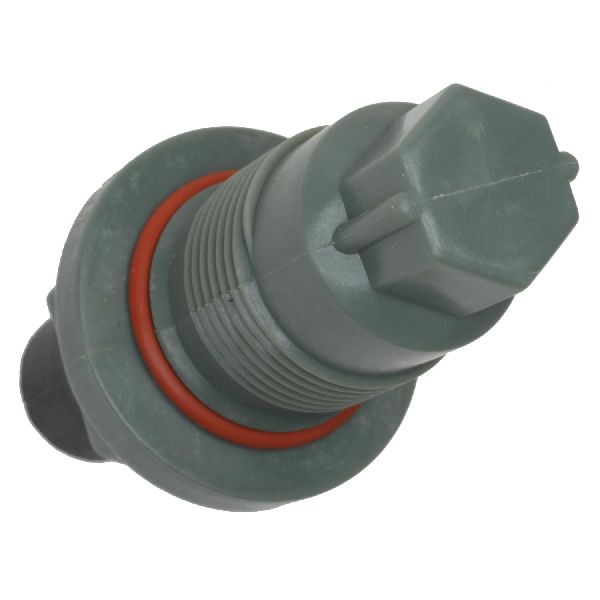
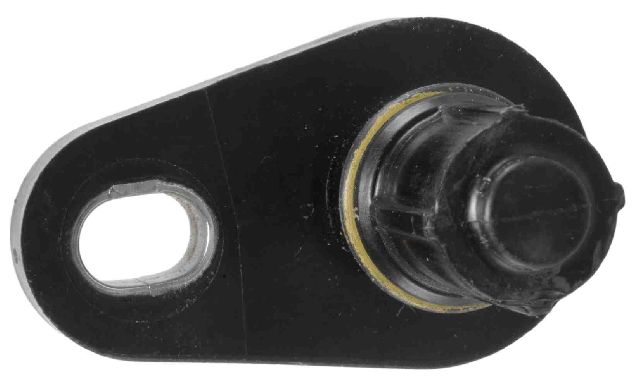
The input and output speed sensors for the 41TE transmission are typically identical. They are magnetic sensors that are externally mounted and secured with a single bolt. A 1-inch socket is required for removal and installation.
We Have This Part in Stock


The information in this article is provided for general reference and educational purposes only. Vehicle specifications, procedures, and part compatibility can vary by production date, trim level, and region. Always consult your vehicle's factory service manual and verify part numbers before purchasing or performing repairs. Safety-critical components such as airbags, seat belts, and braking systems should be installed by a qualified professional.
- Chrysler Sebring:
- 🎬 Helpful Videos
- 🛍️ Shop This Part
- Is Your Sebring Shifting Badly? It Could Be This Sensor.
- Symptoms of a Failing Input Speed Sensor
- Pro Tip: Check Your Alternator First
- Choosing the Right Aftermarket Sensor
- Brand Quality Tiers
- Common Mistake: Replacing Only One Sensor
- Cost to Replace the Input Speed Sensor
- Frequently Asked Questions
- 🎟️ Get 5% Off