

Chrysler Sebring 2001-2010 Crankshaft Position Sensor: A Complete Guide
Experiencing stalling or a no-start condition in your Sebring? Your crankshaft position sensor might be the culprit.
- Sudden stalling and no-start conditions are the most common signs of failure for this part on a Sebring.
- The diagnostic code P0335 almost always points to a problem with the crankshaft position sensor or its circuit.
- Replacement is DIY-friendly, but the sensor's location varies by engine (2.4L, 2.7L, 3.5L), so confirm before you start.
- While cheap aftermarket options exist, investing in a reputable brand like Delphi, NGK, or Standard Ignition is recommended for reliability.
Understanding Crankshaft Sensor Failure in Your 2001-2010 Sebring
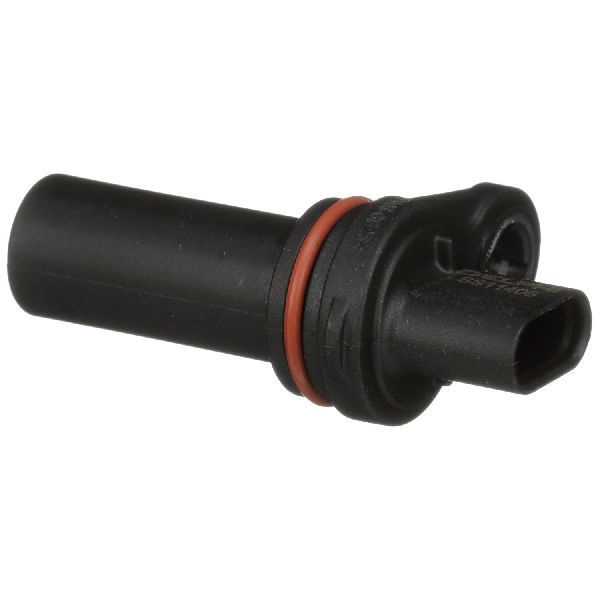
If you own a 2001-2010 Chrysler Sebring, you might eventually face an issue with the crankshaft position sensor. This part is known to fail due to its location, where it's exposed to high engine heat and potential oil leaks. When it fails, it can leave you stranded. The sensor tells the engine's computer the exact position and speed of the crankshaft, which is essential for timing the spark plugs and fuel injectors. When this signal is lost, the engine doesn't know when to fire, leading to stalling or a complete failure to start.
Known Issues and Recalls
For the 2001 model year, there was a specific recall (NHTSA Campaign #: 00V299002) concerning the sensor's wiring harness. The harness could rub against a heat shield, causing the wires to wear out and ground, which could lead to the engine dying unexpectedly. While this was a specific recall for early models, wiring and connector issues can be a problem for any year. Always inspect the wiring and connector for damage, corrosion, or oil contamination when replacing the sensor. Later model years did not have specific recalls for this sensor, but general Chrysler investigations into crankshaft sensors have occurred, though they often focused on other models.
Choosing the Right Aftermarket Sensor
When your Sebring's crankshaft sensor fails, you have a choice between OEM (Original Equipment Manufacturer) and aftermarket parts. While OEM is often the gold standard, high-quality aftermarket parts can offer a reliable and more affordable solution. For a critical sensor like this, it's best to avoid the cheapest options, as they can be unreliable and fail prematurely.
Here's a breakdown of aftermarket brand quality tiers based on general mechanic consensus and owner feedback:
- Top-Tier Aftermarket (OEM Equivalents): Brands like Delphi, Hitachi, and NGK/NTK are often original equipment suppliers to many automakers. Choosing one of these brands is the closest you can get to OEM quality without the dealership price tag. They are known for their reliability and precise manufacturing.
- Reputable Mid-Tier Brands: Standard Ignition (SMP), Beck Arnley, and Walker Products have a long history of producing reliable aftermarket parts. They offer a good balance of quality and price and are a popular choice for both DIYers and professional shops.
- Value-Oriented Brands: Brands like Dorman and others found in large auto parts stores offer a budget-friendly option. While they can be a good choice for a quick fix, some mechanics report a higher rate of out-of-the-box failures or shorter lifespans compared to top-tier brands. However, many owners use them without issue.
Pro Tip: When replacing the sensor, it's a good idea to put a small amount of fresh engine oil on the O-ring to help it slide in and seal properly. Also, clean the electrical connector with a dedicated electrical cleaner before plugging in the new sensor to ensure a good connection.
Installation Overview
Replacing the crankshaft sensor on a Sebring is a manageable DIY job for most home mechanics. The difficulty varies slightly depending on the engine (2.4L, 2.7L, or 3.5L).
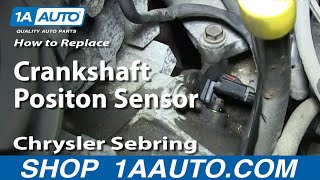
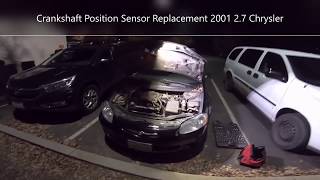
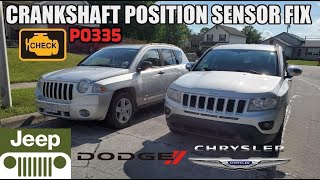
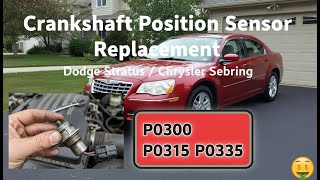
- Location: The sensor is typically located on the back of the engine block, near the transmission bell housing or on the driver's side above the differential housing. For the 2.4L engine, it's often found near the oil pan, and you may need to remove a small heat shield for access. For the 2.7L, it's on the back of the engine, and you may need to remove the airbox to get to it. 🎬 Watch: Step-by-step replacement for the 2.7L engine.
- Tools: You'll generally need basic hand tools, including a ratchet, sockets (commonly 10mm), and possibly a flat-blade screwdriver.
- Process: The basic steps involve disconnecting the battery, unplugging the electrical connector, removing a single bolt (usually 10mm), and then carefully wiggling the old sensor out. Sometimes the old sensor can be stuck and may break during removal, so be prepared to be patient.
| Component | Estimated Cost |
|---|---|
| New Aftermarket Part | $17 - $115 |
| Shop Labor | $83 - $122 |
| Total Professional Replacement | $151 - $200+ |
Frequently Asked Questions
What are the most common symptoms of a bad crankshaft sensor on a Sebring?
The most common symptoms are the engine stalling unexpectedly, especially when warm, difficulty starting the engine, a car that cranks but won't start, a rough idle, and the Check Engine Light illuminating with codes like P0335.
Can I drive my Sebring with a bad crankshaft sensor?
It is not recommended. A failing sensor can cause the engine to stall at any time, including while driving at speed, which is a serious safety risk. If the sensor fails completely, the engine will not start at all.
Where is the crankshaft sensor located on my Sebring?
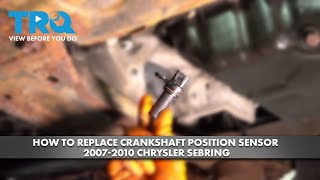
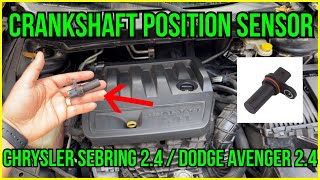
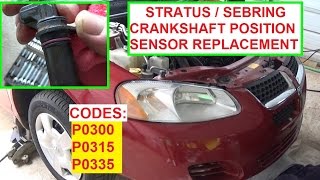
The location varies by engine. On the 2.7L V6, it's on the back of the engine, and you may need to remove the air filter housing for access. On the 2.4L 4-cylinder, it's typically on the back of the engine near the oil pan, accessible from underneath the vehicle. 🎬 See how to replace the sensor on 2.4L models. On the 3.5L V6, it's on the driver's side of the transmission housing. 🎬 Watch this guide for 2007-2010 Sebring sensor replacement. Always confirm the location for your specific engine before starting.
Is an OEM sensor better than an aftermarket one for my Sebring?
While an OEM sensor guarantees a perfect fit and quality, high-quality aftermarket brands like Delphi, NGK/NTK, or Standard Ignition offer a reliable and more affordable alternative. For a critical part like this, it's wise to invest in a reputable brand rather than the cheapest option available to avoid premature failure.
Helpful Videos
Technical Specifications
OEM Part Numbers: MR578312 MR578711 MD349080 5033307AE
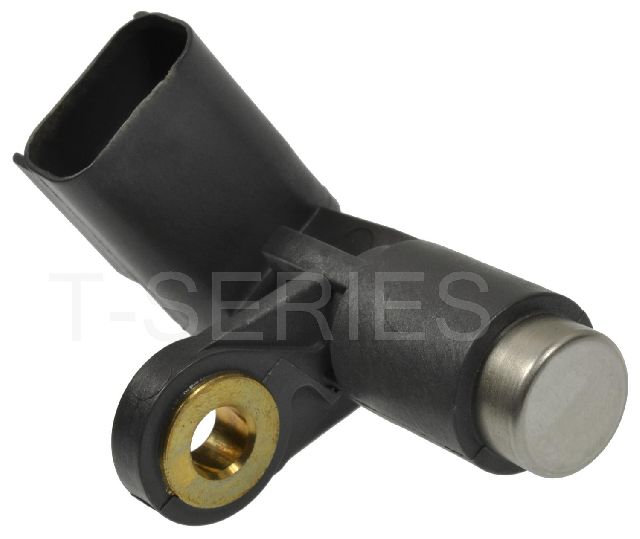
The sensor is typically a 3-pin Hall-effect sensor that reads slots on the transmission driveplate or a tone wheel to determine crankshaft speed and position. It sends a square wave signal to the PCM. The location and mounting style differ between the 2.4L, 2.7L, and 3.5L engines.
We Have This Part in Stock


The information in this article is provided for general reference and educational purposes only. Vehicle specifications, procedures, and part compatibility can vary by production date, trim level, and region. Always consult your vehicle's factory service manual and verify part numbers before purchasing or performing repairs. Safety-critical components such as airbags, seat belts, and braking systems should be installed by a qualified professional.
- Chrysler Sebring: