

Chrysler Sebring Oxygen Sensor Guide for 2001-2010 Models
Learn how to diagnose a failing oxygen sensor and choose the right replacement for your Sebring's engine.
- For best results, choose an OEM-quality aftermarket brand like Denso or NTK, as Chrysler electronics can be picky.
- V6 engines have four sensors; the upstream sensor on the rear bank (Bank 1) is very difficult to replace.
- Always diagnose the specific failed sensor before buying a replacement. A code reader can tell you which sensor is faulty.
- Ignoring a bad O2 sensor can lead to failure of the much more expensive catalytic converter.
Is Your Chrysler Sebring Oxygen Sensor Failing?


A bad oxygen sensor can cause more than just a Check Engine Light. It directly impacts your engine's performance and fuel consumption. Ignoring the signs can lead to more expensive repairs down the road, including damage to your catalytic converter, a repair that can cost over $1,000.
Symptoms of a Bad O2 Sensor in a 2001-2010 Sebring
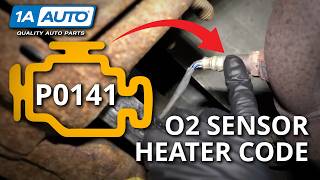
- Check Engine Light: This is the most common sign. Codes like P0133, P0135, P0141, P0155, or P0161 often point to a faulty O2 sensor or its heater circuit.
- Worse Gas Mileage: The engine's computer may default to a rich fuel mixture, burning more gas than necessary.
- Rough Idle and Poor Acceleration: You might feel vibrations, hesitation, or a general loss of power.
- Rotten Egg Smell: A strong sulfur smell from the exhaust indicates unburned fuel is reaching the catalytic converter.
- Failed Emissions Test: Your vehicle will not pass an emissions inspection with a malfunctioning O2 sensor.
A Note on V6 Engines
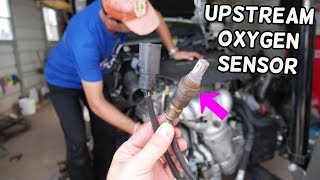
On 2.7L and 3.5L V6 engines, the Bank 1 sensors are on the rear cylinder bank against the firewall. The upstream sensor (Bank 1, Sensor 1) is notoriously difficult to access 🎬 Watch: How to access the difficult Bank 1 upstream sensor. and may require professional help. The Bank 2 sensors are on the front cylinder bank near the radiator and are much easier to reach.
Choosing the Right Aftermarket Oxygen Sensor
Not all aftermarket sensors are created equal, and Chrysler engines from this era can be sensitive to the wrong parts. Using a low-quality sensor can result in the Check Engine Light staying on even after replacement. Based on owner feedback and mechanic recommendations, brands can be grouped into tiers.
Tier 1: OEM Quality & Recommended
These brands are known to be original equipment suppliers for Mopar and are highly recommended for a reliable, long-lasting repair.
- Denso: Often the exact same part that comes in a Mopar box, without the dealership markup. A top choice for reliability.
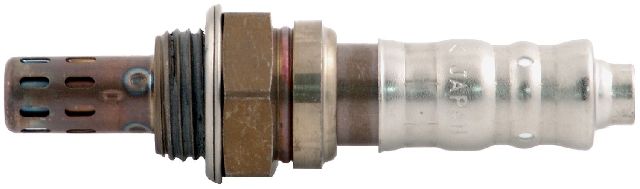
- NGK / NTK: Another OEM supplier known for excellent quality and compatibility with Chrysler electronics.
Tier 2: Reputable Aftermarket
These brands are well-known and can be a good choice, but owner experiences are more mixed compared to Denso or NTK.
- Bosch: While Bosch invented the O2 sensor and is a huge OEM supplier, some forums report that their universal or aftermarket sensors can sometimes cause issues with Chrysler vehicles. If choosing Bosch, an exact-fit model is preferable to a universal one.
Tier 3: Economy Options
These brands offer significant cost savings but may have a shorter service life or potential compatibility issues.
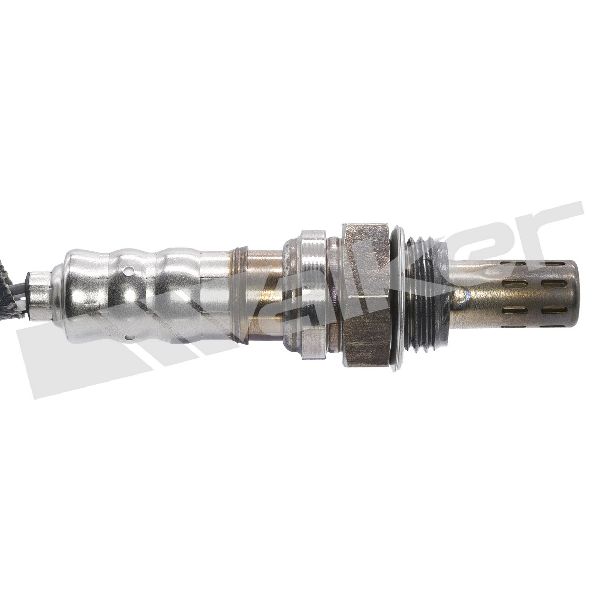
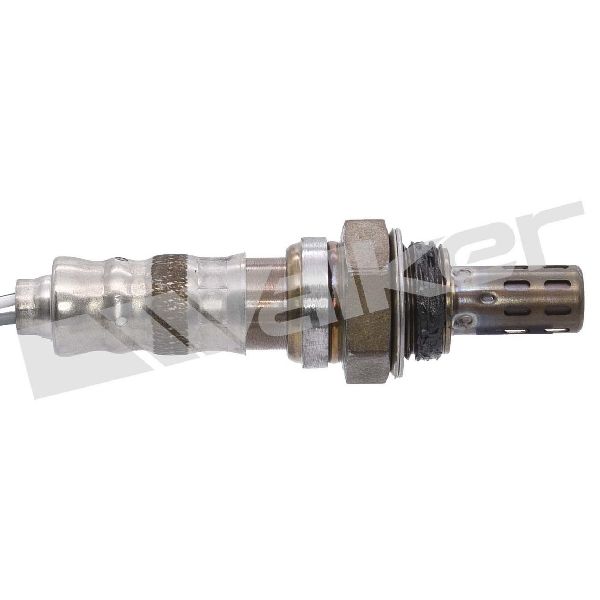
- Walker, Spectra, DriveWire, etc.: These can be a budget-friendly solution, but for a critical component like an upstream O2 sensor, it is often worth spending more for a Tier 1 brand to avoid doing the job twice.
| Part Type | Typical Cost |
|---|---|
| New OEM (Mopar) | $90 - $200+ |
| New Aftermarket (Premium) | $50 - $150 |
| New Aftermarket (Economy) | $25 - $60 |
| Shop Labor | $80 - $250+ (Varies by sensor location) |
Pro Tip: Use an O2 Sensor Socket
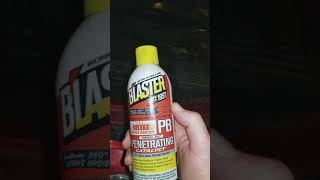
A special tool called an O2 sensor socket has a slot down the side for the wire, making removal and installation much easier. A 7/8-inch or 22mm size is typically required. Using penetrating oil on a hot exhaust can also help loosen a stubborn sensor.
Frequently Asked Questions

How many oxygen sensors does my 2001-2010 Sebring have?
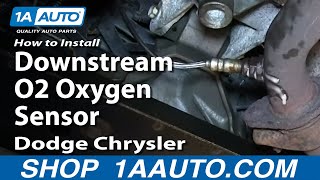
It depends on your engine. The 4-cylinder (2.4L) models have two sensors: one upstream 🎬 See this walkthrough for replacing the 2.4L upstream sensor. and one downstream. The V6 models (2.7L, 3.5L) have four sensors: two upstream (one for each cylinder bank) and two downstream (one for each cylinder bank).
What is the difference between an upstream and downstream sensor?
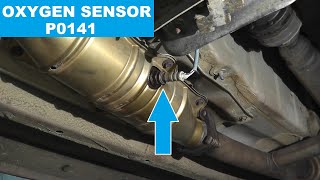
The upstream sensor (also called Sensor 1) is located before the catalytic converter and is the primary sensor used by the engine computer to adjust the air-fuel mixture. The downstream sensor (Sensor 2) is after the catalytic converter and its main job is to monitor the converter's health.
Can I clean my old oxygen sensor?
While some attempt to clean O2 sensors, it is not a reliable or recommended repair. The sensing element degrades over time and from contamination, and cleaning rarely restores proper function. Replacement is the only guaranteed fix.
My Check Engine Light is on for all four O2 sensors. Are they all bad?
It's highly unlikely all four sensors would fail at once. This usually points to a shared electrical problem, such as a blown fuse for the sensor heater circuits or a wiring issue. Check the fuse box before ordering any parts.
Helpful Videos
Technical Specifications
OEM Part Numbers: 56029049AA
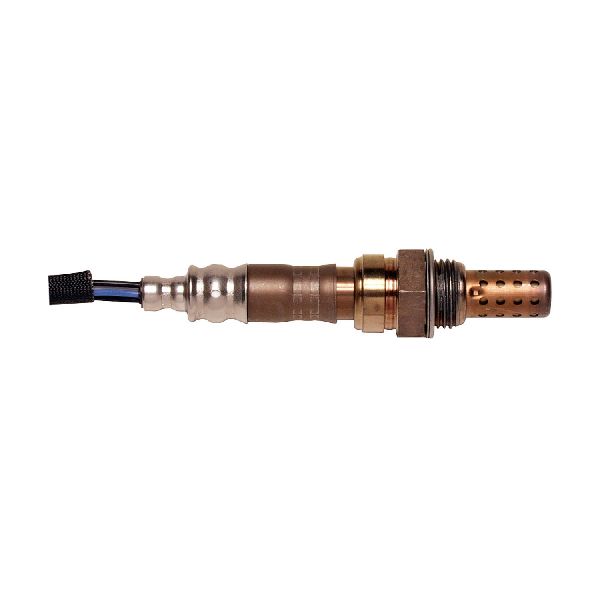
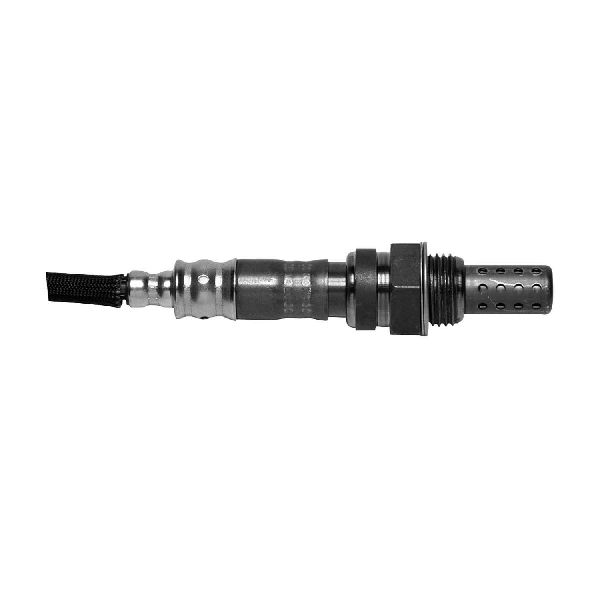
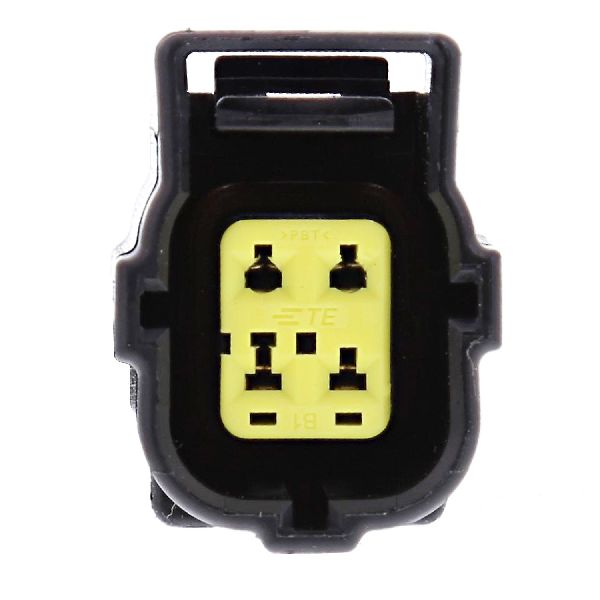
Varies by engine and location. Most are 4-wire heated sensors. Always verify the part number for your specific year, engine, and sensor position (e.g., Bank 1 Sensor 1, Bank 2 Sensor 2).
We Have This Part in Stock

The information in this article is provided for general reference and educational purposes only. Vehicle specifications, procedures, and part compatibility can vary by production date, trim level, and region. Always consult your vehicle's factory service manual and verify part numbers before purchasing or performing repairs. Safety-critical components such as airbags, seat belts, and braking systems should be installed by a qualified professional.
- Chrysler Sebring: