

A Guide to the A/C Compressor for the 2001-2010 Ford Escape
Is your Ford Escape's air conditioning blowing hot? Here's what you need to know before replacing the A/C compressor.
- Before replacement, check for 'Black Death' (black sludge in A/C lines); if present, the entire system needs flushing and multiple parts replaced.
- Always replace the receiver/drier and expansion valve with the compressor to prevent immediate failure and to validate the warranty.
- While the compressor can be physically swapped by a DIYer, the system MUST be professionally evacuated and recharged with special equipment.
- A seized compressor can break the serpentine belt, disabling the alternator and power steering, making the vehicle unsafe to drive.
Symptoms of a Failing A/C Compressor
When the A/C compressor in a 2001-2010 Ford Escape starts to fail, the signs are usually hard to ignore. Being aware of these symptoms can help you diagnose the problem before it causes more damage.
- Warm Air From Vents: This is the most common symptom. If you turn the A/C on full blast and only get coolish or warm air, the compressor may not be pressurizing the refrigerant correctly.
- Loud Noises: A grinding, squealing, or rattling sound when you turn the A/C on points to a problem. This could be failing internal bearings or a bad clutch. A seized compressor pulley can make a loud screeching noise as the serpentine belt drags over it.
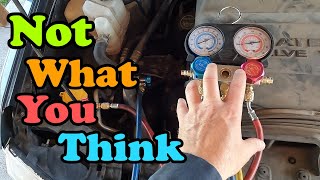
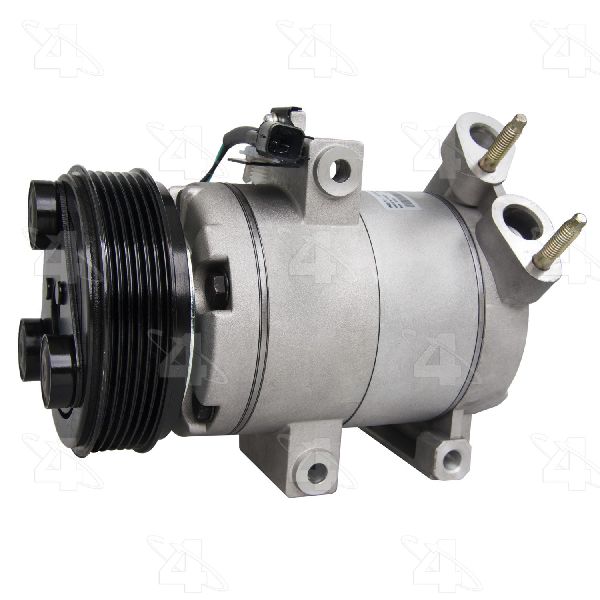
- Compressor Clutch Not Engaging: The outer part of the compressor pulley always spins with the engine belt. However, the inner part (the clutch) should click and start spinning when you turn on the A/C. If it doesn't move, you won't get cold air. This could 🎬 Watch this quick diagnostic guide to identify common A/C failures. be a bad clutch, a blown fuse, or an electrical issue.
- Visible Leaks: While refrigerant is a gas, it's mixed with oil. You might see a greasy film on the compressor body, which indicates a leak from the compressor's internal seals.
Known Issues for the 2001-2010 Ford Escape
While no major recalls exist for the A/C compressor on this generation of Escape, owners have reported several common problems.
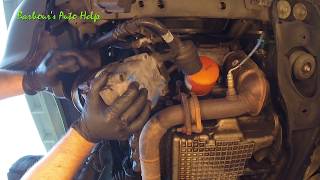
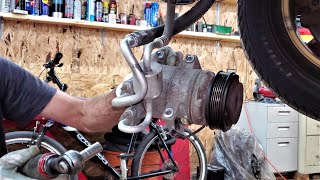
A/C Compressor Clutch Failure: Often, it's not the entire compressor that fails, but just the clutch assembly on the front. The clutch can wear out, or the electromagnetic coil that engages it can fail. In some cases, a seized clutch can get so hot it melts plastic components and breaks the serpentine belt. If the belt breaks, your vehicle will lose power steering and the ability to charge the battery, 🎬 Watch a step-by-step walkthrough of the compressor replacement process. making it unsafe to drive.
Catastrophic Failure: "Black Death"
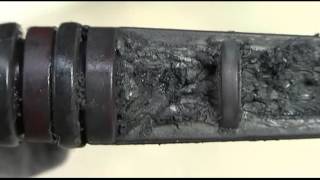
A severe failure mode known as "Black Death" can occur. This is when the compressor's internal parts break apart, sending tiny metal shavings and contaminated black, sludgy oil throughout the entire A/C system. If you see black residue in the A/C lines or ports, you have this problem. Simply replacing 🎬 See how to clean the system after a Black Death failure. the compressor is not enough. The new compressor will be destroyed by the debris. The entire system—including the condenser, receiver/drier, and expansion valve—must be professionally flushed, and several of these parts must be replaced.
Choosing the Right Aftermarket Compressor
When shopping for a new aftermarket compressor, it's helpful to think in tiers of quality and price.
Tier 1: Premium OE-Style Brands (e.g., Denso, Valeo, Motorcraft)
These brands are often the original equipment manufacturers for Ford. Denso, in particular, is widely considered the best aftermarket choice for quality and reliability, built to the same standards as the part your Escape came with from the factory. Motorcraft is Ford's official part, guaranteeing a perfect fit but at a higher price. Choose this tier if you plan to keep your Escape for a long time and want the most reliable repair.
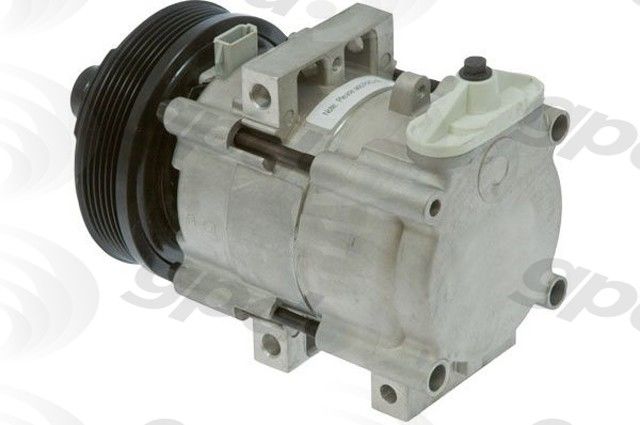
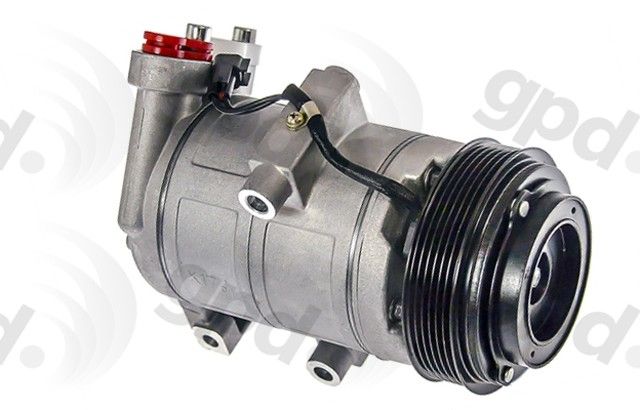
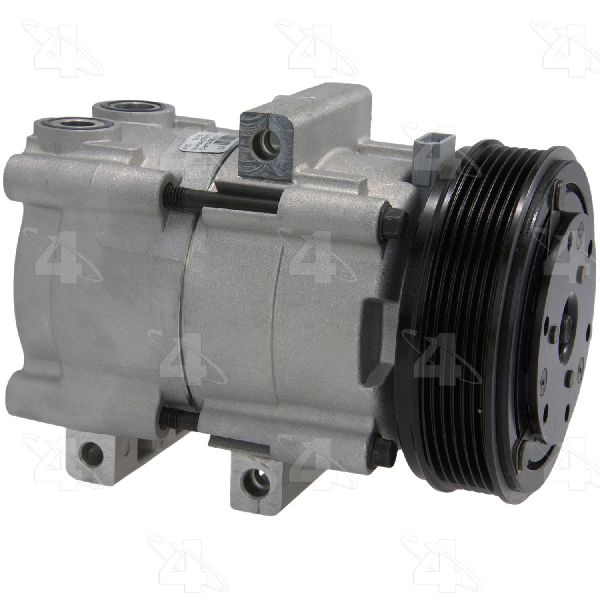
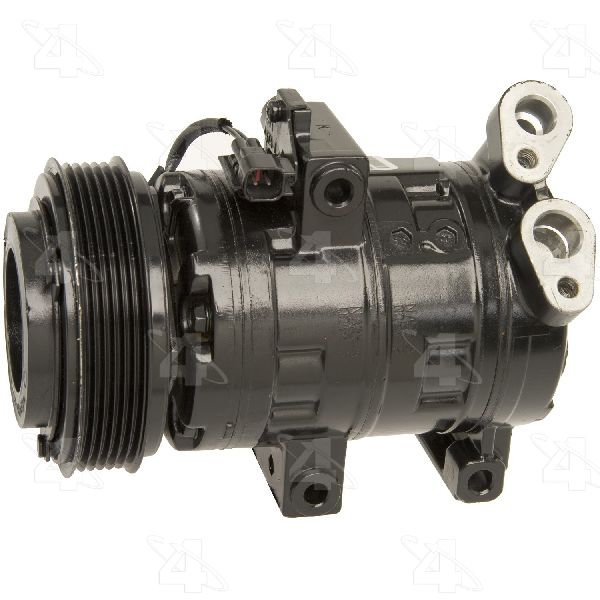
Tier 2: Quality Aftermarket Brands (e.g., Four Seasons, Global Parts/UAC)
These are well-known aftermarket brands that offer a good balance between cost and quality. They are a significant step up from generic parts and are a popular choice for daily drivers. While generally reliable, some mechanics report a higher chance of issues compared to Tier 1 brands.
Tier 3: Economy Brands (e.g., Replacement)
These are the most budget-friendly options. While the low price is appealing, the quality and longevity can be a gamble. These parts may use lower-quality materials and have less strict manufacturing tolerances. They might be a suitable choice for an older, lower-value vehicle, but be aware of the potential for premature failure.
Pro Tip: Always Buy a Kit
To ensure your new compressor lasts, and to satisfy warranty requirements, you must also replace the A/C system's filter, called the receiver/drier (or accumulator), and the expansion valve (or orifice tube). Debris and moisture in the old parts can quickly destroy a new compressor. Many brands sell kits that include these essential components.
Frequently Asked Questions
Do I have to replace other parts with the compressor?
Yes. At a minimum, you must replace the receiver/drier and the expansion valve. This is required by almost all part manufacturers to keep the warranty valid. These parts filter moisture and debris, and failing to replace them is the #1 cause of repeat compressor failure.
What is "Black Death" and why is it so bad?
"Black Death" is a term for a catastrophic compressor failure where metal shavings contaminate the entire A/C system, turning the refrigerant oil into a black sludge. If this happens, the new compressor will fail almost immediately unless you also replace the condenser and expansion valve and thoroughly flush every hose and line.
Can I just replace the A/C clutch?
Sometimes. If the compressor itself is fine and only the clutch or coil has failed, it is possible to replace just the clutch assembly on the vehicle without discharging the A/C system. However, if the compressor is old or the failure was caused by internal issues, it's usually more cost-effective in the long run to replace the entire compressor unit.
Why is professional installation so important?
Replacing an A/C compressor requires specialized equipment. The system must be legally and safely evacuated of old refrigerant before work begins. Afterward, a deep vacuum must be pulled on the system to remove all air and moisture, which are damaging to the new parts. Finally, the exact correct amount of refrigerant and oil must be added. Skipping any of these steps will lead to poor performance and damage to your new compressor.
Helpful Videos
Technical Specifications
Refrigerant Type: R-134a. System requires PAG 46 oil. Always verify the specific oil capacity for your vehicle's year and engine.
We Have This Part in Stock

The information in this article is provided for general reference and educational purposes only. Vehicle specifications, procedures, and part compatibility can vary by production date, trim level, and region. Always consult your vehicle's factory service manual and verify part numbers before purchasing or performing repairs. Safety-critical components such as airbags, seat belts, and braking systems should be installed by a qualified professional.
- Ford Escape: