

Ford Escape Accessory Drive Belt Guide for 2001-2010 Models
Here is what you need to know before replacing the accessory drive belt on your 2001-2010 Ford Escape.
- A squealing noise is the number one warning sign; inspect the belt immediately.
- If the belt breaks, the vehicle will lose power, overheat, and leave you stranded. Do not drive with a failing belt.
- Always replace the belt tensioner at the same time as the belt for a lasting repair.
- On V6 models, if the belt keeps coming off, check the A/C compressor bracket for cracks.
Is Your Escape Making a Squealing Noise?
A high-pitched squeal or a constant chirping sound from the engine is the most common sign of a bad accessory drive belt on a 2001-2010 Ford Escape. This noise is often worse when you first start the engine, accelerate, or turn on the air conditioning. The sound means the belt is slipping on its pulleys, usually because it is old, cracked, or has lost its tension. While annoying, this sound is a critical warning that the belt needs to be inspected and likely replaced.
Choosing the Right Aftermarket Belt
You do not need to buy the original Ford (Motorcraft) part to get a quality belt. Several aftermarket brands offer excellent quality, often for less money. The key is to choose a reputable brand known for making durable EPDM rubber belts.
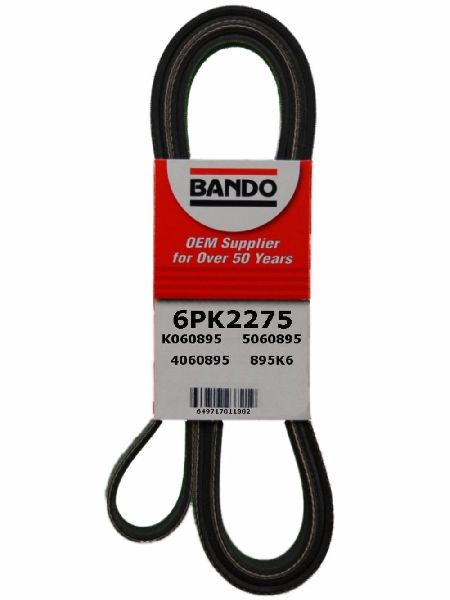
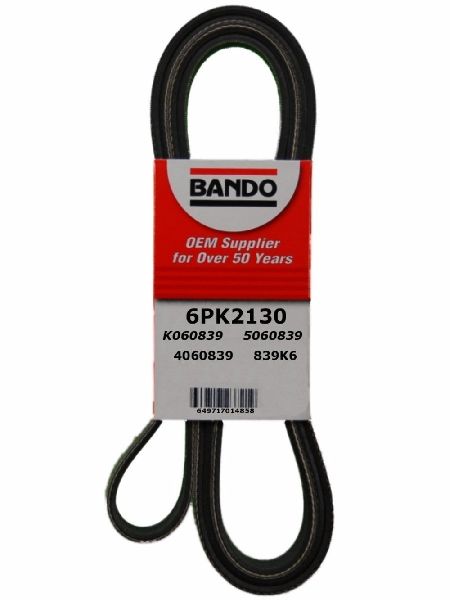
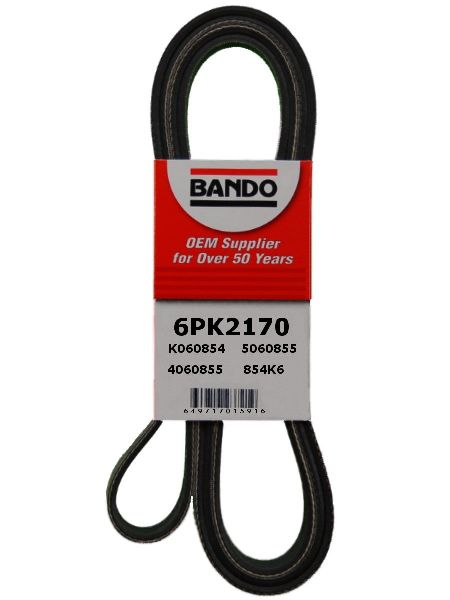
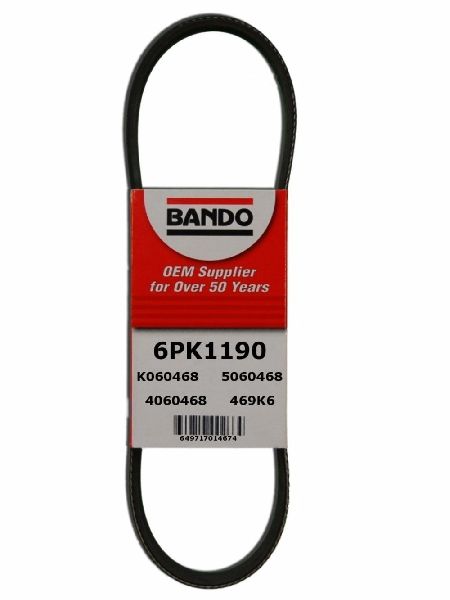
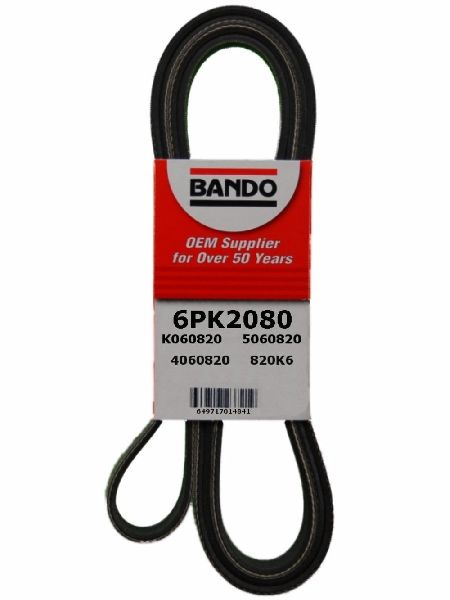
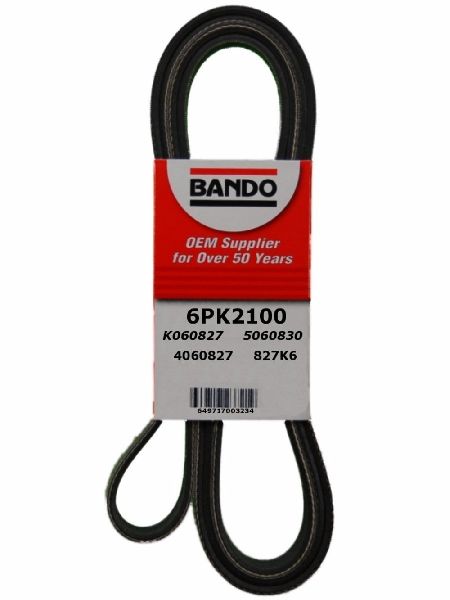
- Top-Tier Brands (OEM Quality): Brands like Bando and Mitsuboshi are often the original suppliers for many Japanese vehicles and are known for their high quality and durability. They are excellent choices for any vehicle, including the Ford Escape.
- Trusted Aftermarket Brands: ACDelco is a well-known brand that provides reliable parts for many makes and models. Other brands like Gates and Dayco are also trusted by professional mechanics and are considered equivalent to OEM quality for domestic vehicles like Ford.
Pro Tip: It's Usually the Tensioner. The most common reason for belt noise is not the belt itself, but a weak or failing belt tensioner. The tensioner is a spring-loaded pulley that keeps the belt tight. If you are replacing a worn or noisy belt, it is highly recommended to replace the tensioner and inspect the idler pulleys at the same time. Putting a new belt on a bad tensioner will cause the new belt to wear out quickly and continue to make noise.
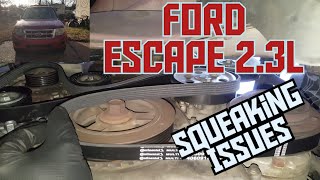
🎬 Watch: Replacing the belt, tensioner, and idler to stop squeaks.Known Issues for 2001-2010 Ford Escape
While there are no official recalls for the accessory drive belt on these models, some owners of the 3.0L V6 Escape have experienced a specific problem. A weak or cracked mounting bracket for the A/C compressor can cause the belt to repeatedly slip off, even after replacing the belt and tensioner. In a documented case, Ford later released an updated, stronger A/C bracket to fix this issue. If your V6 Escape keeps throwing belts, inspect the A/C compressor and its mounting bracket for any cracks or excessive movement.
| Part/Service | Estimated Cost |
|---|---|
| New Aftermarket Belt | $25.17 - $82.74 |
| Shop Labor | $50 - $100 |
| Total Professional Replacement | $122 - $162 |
Frequently Asked Questions (FAQ)
How often should I replace the accessory drive belt?
Accessory drive belts typically last between 60,000 and 100,000 miles. However, you should visually inspect the belt for cracks, fraying, or a shiny, glazed surface during every oil change, especially after 60,000 miles.
Is it hard to replace the accessory drive belt myself?
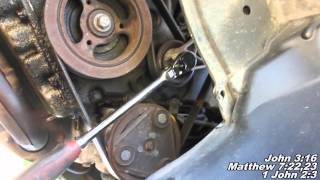
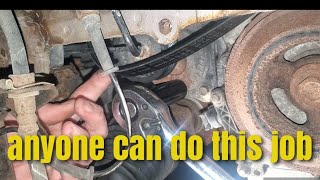
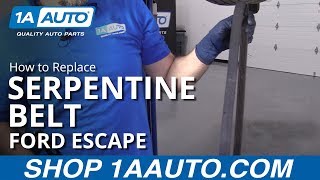
For someone with mechanical experience, this is a manageable DIY job. It requires safely lifting the vehicle, removing the front passenger wheel and a plastic splash shield for access. 🎬 Watch this step-by-step serpentine belt replacement walkthrough. You will need a special serpentine belt tool or a long breaker bar to release the spring-loaded tensioner to get the old belt off and the new one on. Access is tighter on V6 models than on 4-cylinder models.
My new belt is still squeaking. What's wrong?
If a brand new belt is making noise, the problem is almost always the belt tensioner or a misaligned pulley. A weak tensioner cannot apply enough force to keep the new belt from slipping. Never use a spray-on "belt dressing," as this only masks the problem and can damage the new belt.
Do I need a different belt for the 4-cylinder vs. the V6 engine?
Yes. The 2001-2010 Escape was available with several engines (2.0L, 2.3L, 2.5L I4, and 3.0L V6). Each engine requires a specific belt length and routing. Always confirm the part fits your exact year and engine before purchasing.
Helpful Videos
Technical Specifications
OEM Part Numbers: JK6867B 9L8Z8620C 8L8Z8620-D
The correct belt varies by engine (2.0L, 2.3L, 2.5L, or 3.0L) and year. Belts are typically made of EPDM rubber with polyester cords and have 6 ribs. Lengths vary significantly, for example from ~86 inches to ~93 inches depending on application.
We Have This Part in Stock

The information in this article is provided for general reference and educational purposes only. Vehicle specifications, procedures, and part compatibility can vary by production date, trim level, and region. Always consult your vehicle's factory service manual and verify part numbers before purchasing or performing repairs. Safety-critical components such as airbags, seat belts, and braking systems should be installed by a qualified professional.
- Ford Escape: