

Ford Explorer Engine Crankcase Breather Hose Guide (2001-2010)
Address rough idling and check engine lights on your Ford Explorer by understanding this critical PCV system component.
- A cracked breather hose is a very common cause of lean codes (P0171, P0174) and rough idle on 2001-2010 Explorers.
- Visually inspect the rubber elbows on the hose assembly for splits before assuming a more expensive problem.
- Quality aftermarket brands like Gates and Standard Ignition are reliable and cost-effective alternatives to OEM for this part.
- Replacing the PCV valve at the same time is a cheap and easy way to ensure the whole system is refreshed.
Is Your Explorer Idling Rough or Throwing Lean Codes?

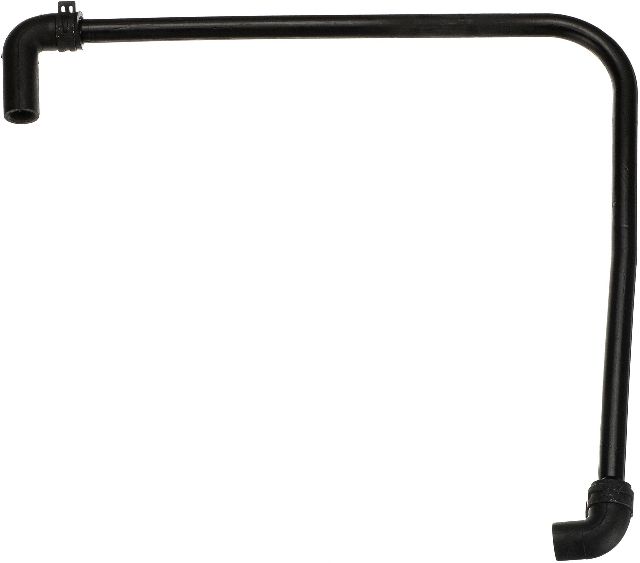
If you own a 2001-2010 Ford Explorer, especially one with the 4.0L SOHC V6 engine, a failing crankcase breather hose is a very common problem. Over time, engine heat and oil vapors cause the rubber elbows on this hose to degrade, crack, and split. This creates a vacuum leak, which is a primary cause of a rough, hunting idle, hard starting, and the infamous P0171 and P0174 "system too lean" check engine light codes. You might even hear a hissing sound from the engine bay at idle as unmetered air is sucked in through the crack.
🎬 Watch how these lean codes cause a rough idle.A Common and Often Misdiagnosed Issue
A cracked breather hose is one of the most frequent causes for lean codes on the 4.0L Explorer. Before suspecting more complex issues like intake manifold gaskets or a bad mass airflow sensor, a thorough inspection of this hose is essential. The split is often on an elbow tucked near the intake manifold and can be hard to see at first glance.
Choosing the Right Aftermarket Breather Hose

When replacing this part, you'll find options from the original equipment manufacturer (OEM) and aftermarket brands like Gates and Standard Ignition (SMP). For a simple part like a hose, is OEM necessary?
- OEM (Motorcraft): The original part is a known quantity, but it's also the part that failed in the first place. While a direct fit, it may be made of the same material that is prone to degrading over time.
- Aftermarket (Gates, Standard Ignition): These brands are reputable suppliers of engine components. Gates is a world leader in hoses and belts, and their parts are designed to meet or exceed OE specifications. Standard Motor Products (SMP) is another top-tier supplier that often manufactures parts for OEM brands or provides equivalent quality. For a part like this, a quality aftermarket replacement from Gates or SMP offers excellent value and reliability without the higher cost of an OEM-branded part.
Pro Tip: While replacing the hose, it's a good idea to also replace the PCV valve itself. It's an inexpensive part that can get clogged, and replacing it at the same time ensures the entire system is working correctly.
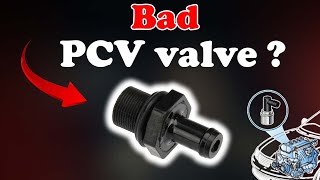
🎬 Learn about the top symptoms of a bad PCV valve.Typical Replacement Costs
The cost to replace the crankcase breather hose is reasonable, especially if you do it yourself. The part itself is the main expense.
| Part Type | Estimated Cost |
|---|---|
| New Aftermarket Hose | $68.93 - $89.51 |
| Shop Labor | $50 - $100 |
| Total Professional Repair | $119 - $190 |
Frequently Asked Questions

What are the main symptoms of a bad breather hose on my Explorer?
The most common symptoms are a rough or rolling idle, a hissing noise from the engine, hard starting, and a check engine light with codes P0171 and P0174. This is due to unmetered air entering the engine and making the fuel mixture too lean.
Can I drive my Explorer with a cracked breather hose?
Yes, but it's not recommended for long. The engine will run poorly, get bad gas mileage, and could stall. The lean fuel condition can, over time, lead to more significant engine problems. It's best to get it fixed soon.
How hard is it to replace the breather hose myself?
For a DIYer with basic tools, this is a relatively easy job. It typically takes less than an hour. Access can be a little tight, as the hose is routed around the back of the engine, but it usually just involves disconnecting a few clips and pressing the new hose into place.
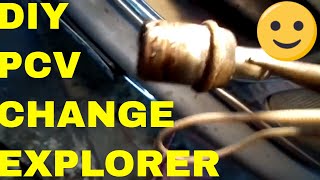
🎬 See helpful tips for replacing the PCV hose yourself.Are there any recalls for this part on the 2001-2010 Explorer?
No, there are no specific recalls issued by the NHTSA for the crankcase breather hose or PCV system on the 2001-2010 Ford Explorer. However, its failure is a widely documented common issue among owners.
Helpful Videos

Technical Specifications
OEM Part Numbers: 6F2Z-6853-AA
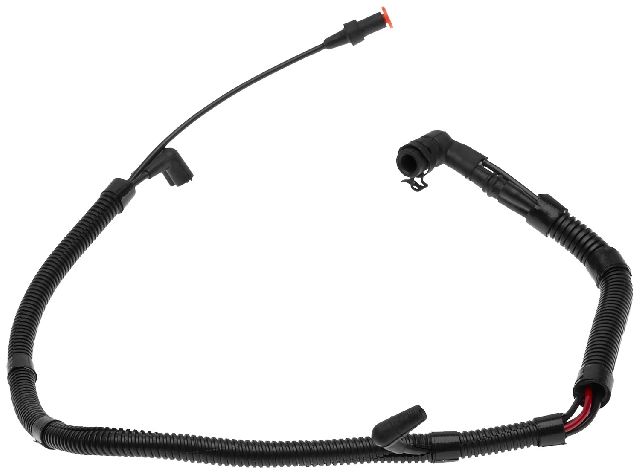
Molded plastic and rubber assembly with quick-connect fittings. Designed for the Positive Crankcase Ventilation (PCV) system on Ford 4.0L SOHC V6 engines.
We Have This Part in Stock


The information in this article is provided for general reference and educational purposes only. Vehicle specifications, procedures, and part compatibility can vary by production date, trim level, and region. Always consult your vehicle's factory service manual and verify part numbers before purchasing or performing repairs. Safety-critical components such as airbags, seat belts, and braking systems should be installed by a qualified professional.
- Ford Explorer: