

Ford Lobo Radiator Coolant Hose Guide for 2001-2010 Models
Keep your Lobo's engine from overheating by knowing the signs of a bad radiator hose and how to choose the right replacement.
- Inspect hoses regularly for cracks, swelling, or soft spots, especially after 100,000 miles.
- If one radiator hose fails, it's best practice to replace both the upper and lower hoses at the same time.
- Always use new hose clamps with a new hose to ensure a tight, leak-free seal.
- Verify the hose part number matches your Lobo's specific engine (4.2L, 4.6L, or 5.4L) to ensure correct fitment.
Is Your Radiator Hose Failing?
A bad radiator hose is a serious problem. If one bursts while you're driving, your engine can lose all its coolant in seconds and overheat, leading to expensive engine damage. Watch for these common warning signs:
- Coolant Leaks: This is the most obvious symptom. You may find puddles of green, orange, or pink fluid under the front of your truck. You might also notice a sweet, syrupy smell.
- Visible Damage: Do a visual check of the hoses. If you see cracks, splits, swelling, or bulges, the hose is failing and needs to be replaced. A crunchy sound when you squeeze a cool hose is a sign the inside is breaking apart.
- Spongy or Soft Spots: When the engine is completely cool, squeeze the hoses. They should feel firm. If a hose feels mushy, soft, or overly flexible, its internal structure is breaking down.
- Engine Overheating: If your temperature gauge is climbing into the red or you see steam coming from under the hood, a failing hose is a likely cause. Pull over immediately to prevent engine damage.
Choosing the Right Aftermarket Hose
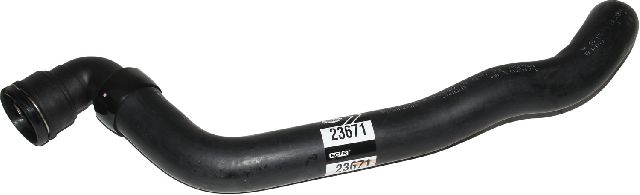
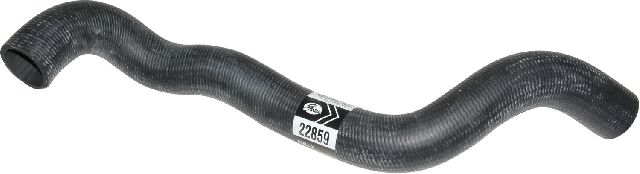
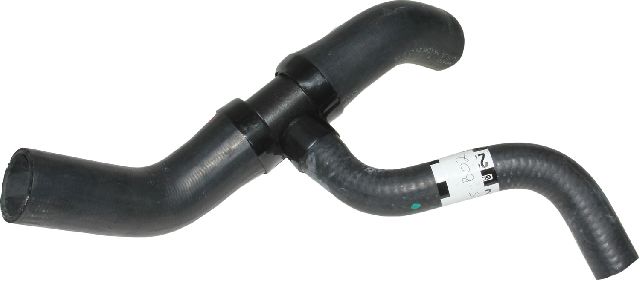
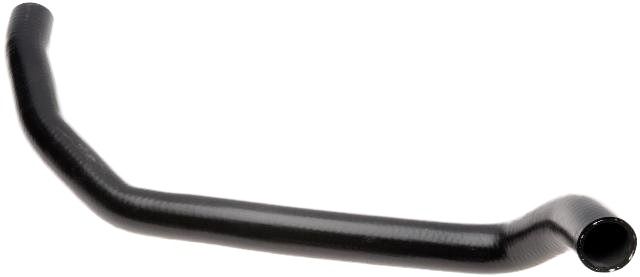
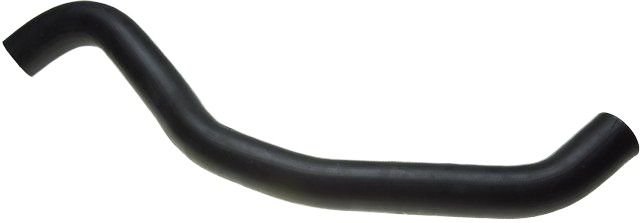
For the 2001-2010 Ford Lobo, the original Motorcraft hoses are high quality and can last a long time. However, when it's time for a replacement, reputable aftermarket brands offer a great balance of quality and value. The two main brands you'll find are Continental and Gates.
Both Gates and Continental are well-respected manufacturers that produce OEM-quality parts. Some mechanics and owners have a slight preference for Gates, noting that they sometimes offer a better fit than other aftermarket brands. However, both are considered reliable choices and a significant step up from no-name or store-brand hoses. The most important factor is ensuring the hose is specifically designed for your Lobo's year and engine size (e.g., 4.2L, 4.6L, or 5.4L) to guarantee a perfect fit.
Pro Tip: Replace in Pairs
If your upper hose has failed, the lower hose has been exposed to the same heat and age. It's smart, preventative maintenance to replace both the upper and lower radiator hoses at the same time. Also, consider replacing the hose clamps and inspecting the radiator cap.
Cost of Replacing a Radiator Hose
The cost can vary depending on your truck's engine and whether you do the work yourself. Here are some typical cost ranges:
| Item | Estimated Cost |
|---|---|
| New Aftermarket Hoses (Continental, Gates) | $33.93 - $94.55 |
| New OEM (Motorcraft) Hoses | $45 - $110 |
| Shop Labor | $120 - $200 |
Cost estimates are based on industry averages and may vary.
Frequently Asked Questions
How often should I replace my radiator hoses?
There is no strict replacement interval, but it's good practice to inspect them at every oil change. Many owners choose to replace them as preventative maintenance around 100,000 miles or 10 years. If a hose looks swollen, cracked, or feels soft, replace it immediately regardless of mileage.
Are there any recalls on 2001-2010 Ford Lobo radiator hoses?
No, there are no specific recalls for radiator coolant hoses on the 2001-2010 Ford F-150 (Lobo). Always check for the latest recall information with your VIN on the NHTSA website.
Should I replace the hose clamps too?
Yes. It is highly recommended to replace the hose clamps when you replace the hoses. Old clamps can lose their tension over time and may not provide a proper seal, leading to leaks. Using new clamps is cheap insurance against future problems.
What type of coolant should I use for my Ford Lobo?
Always consult your owner's manual for the specific coolant type. For this generation of F-150/Lobo, it is typically a gold or yellow-colored extended life coolant. Using the wrong type of coolant can cause damage to your cooling system.
Technical Specifications
Varies by engine size (4.2L V6, 4.6L V8, 5.4L V8) and model year. Hoses are typically made from EPDM rubber to resist heat, oil, and abrasion.
We Have This Part in Stock

The information in this article is provided for general reference and educational purposes only. Vehicle specifications, procedures, and part compatibility can vary by production date, trim level, and region. Always consult your vehicle's factory service manual and verify part numbers before purchasing or performing repairs. Safety-critical components such as airbags, seat belts, and braking systems should be installed by a qualified professional.
- Ford Lobo: