

A Guide to Replacing Brake Calipers on the 2001-2010 Kia Magentis
Understand the common problems and learn how to choose the right new aftermarket brake calipers for your Magentis.
- The most common caliper problem on the Magentis is seizing due to corrosion, causing brake drag and pulling.
- Always replace calipers in pairs (both front or both rear) to ensure even and safe braking.
- For this vehicle, quality new aftermarket calipers from brands like Raybestos, Centric, or PowerStop offer better value than more expensive OEM parts.
- You must bleed the brake system after replacing a caliper to remove air and restore firm pedal feel and safe stopping power.
Signs of a Failing Brake Caliper
On a 2001-2010 Kia Magentis, brake calipers can fail from age and corrosion, especially from road salt. The most common problem is a seized or sticking caliper piston or slide pins. This means the caliper either doesn't apply pressure correctly or, more often, fails to release it. A caliper that stays clamped on the rotor is a serious safety issue and can cause expensive damage to your pads and rotors.
Key Symptoms to Watch For:
- Vehicle Pulling to One Side: When you brake, the car veers left or right. This can happen when one caliper is working harder than the other.
- Dragging Sensation: It might feel like the car is struggling to accelerate, as if the parking brake is on. This is a classic sign of a stuck caliper that isn't releasing the brake pad.
- Brake Fluid Leaks: Puddles of clear or yellowish, slightly oily fluid near your wheels are a sure sign of a failed seal in the caliper.
- Spongy or Soft Brake Pedal: If the pedal feels mushy or goes closer to the floor, it could be due to a leak in the system from a bad caliper.
- Burning Smell or Smoke: A stuck caliper can cause extreme heat, leading to a burning smell from the wheel area after a drive.
- Squealing or Grinding Noises: While often a sign of worn pads, these noises can also happen if a stuck caliper constantly forces the pads against the rotor.
Generation Gaps: 2001-2006 vs. 2006-2010
The 2001-2010 Kia Magentis covers two different vehicle generations (the first from 2001-2006 and the second from 2006-2010). Brake parts, including calipers, are not always interchangeable between these generations. Always confirm your vehicle's exact year before ordering to ensure you get the correct parts.
Choosing the Right Aftermarket Caliper
For a vehicle like the 2001-2010 Magentis, high-quality aftermarket calipers offer the best balance of performance and value. OEM calipers from a dealer are available but are typically much more expensive. Here’s a breakdown of popular aftermarket brands:
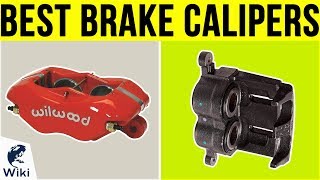
🎬 Compare top-rated brake calipers for your next replacement project.- Standard Replacement (Good): Brands like Cardone, BBB Industries, and standard-line Centric offer reliable, budget-friendly options that meet or exceed original specifications. They are a solid choice for daily driving. While some online discussions show mixed experiences with remanufactured parts from brands like Cardone, their new parts are a dependable option.
- Premium Replacement (Better): Raybestos and Centric's Posi Quiet line are considered a step up. Raybestos is a well-known brake component manufacturer, and their new calipers often feature zinc plating for better corrosion resistance. Coated calipers from any brand are a smart choice, especially if you live in an area with road salt, as they resist rust better.
- Performance Upgrade (Best): PowerStop is the go-to for a performance upgrade. Their calipers are often powder-coated (usually red) for excellent rust protection and a custom look. They are designed to handle higher heat and provide improved stopping power, making them a good match if you are also upgrading your pads and rotors.
Pro Tip: Many aftermarket calipers come with new hardware like guide pins and clips. It is highly recommended to use this new hardware and to properly lubricate the slide pins during installation to prevent future sticking.
Known Issues, Recalls, and Service Bulletins
Searches for the 2001-2010 Kia Magentis (and its U.S. counterpart, the Optima) did not reveal any specific recalls or widespread Technical Service Bulletins (TSBs) for the brake calipers themselves. However, several recalls were issued for the brake light switch on 2007-2011 models, which could affect cruise control and brake light function but not the caliper's mechanical operation. The most common reported issues are related to normal wear and tear, such as calipers seizing from corrosion.
| Part Type | Estimated Cost Range |
|---|---|
| New Aftermarket Caliper | $46 - $115 per caliper |
| Remanufactured Aftermarket Caliper | $35 - $90 per caliper |
| New OEM (Dealer) Caliper | $200 - $215+ per caliper |
| Shop Labor for Replacement (One Side) | $155 - $252 |
Frequently Asked Questions
Do I need to replace my brake calipers in pairs?
Yes, it is highly recommended to replace calipers in pairs (both front or both rear). This ensures even braking performance and prevents the vehicle from pulling to one side. An old caliper may not apply pressure with the same force as a new one, creating a potentially unsafe imbalance.
What is a "core charge"?
A core charge is a deposit you pay when buying a remanufactured part. It's refunded to you when you return your old, worn-out part (the "core"). This doesn't apply when buying new calipers, which is a key advantage of choosing new aftermarket parts over remanufactured ones.
Should I get a coated caliper?
Yes, if you live in an area with snow, ice, or high humidity. Coated calipers have a protective layer (often powder-coating or zinc plating) that helps prevent rust and corrosion. This can extend the life of the caliper and prevent the slide pins and pistons from seizing. Brands like PowerStop, Raybestos, and Cardone's Ultra line offer coated options.
Do I need to bleed the brakes after replacing a caliper?
Absolutely. Whenever a brake line is opened to replace a caliper, air enters the hydraulic system. You must bleed the brakes to remove all air bubbles. Failure to do so will result in a spongy brake pedal and severely reduced stopping power, which is extremely dangerous.
Helpful Videos
Technical Specifications
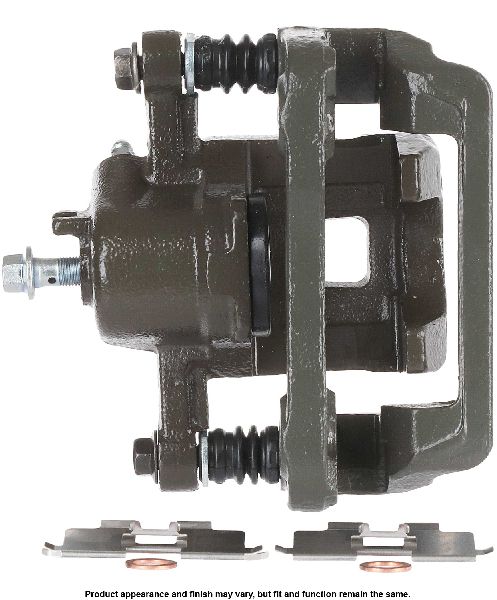
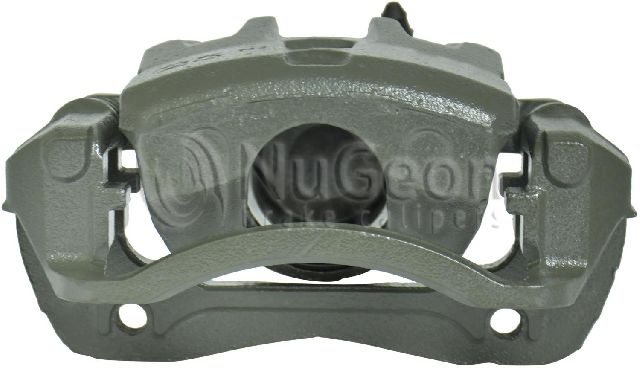
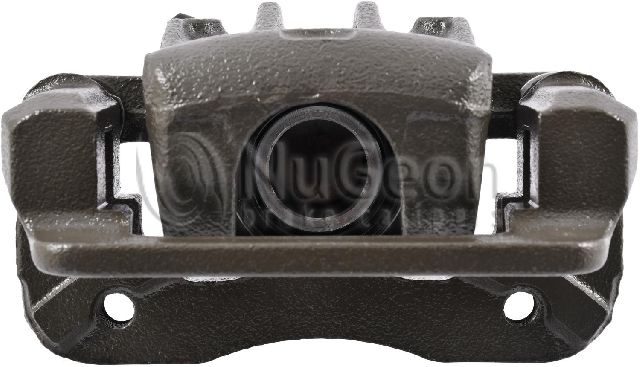
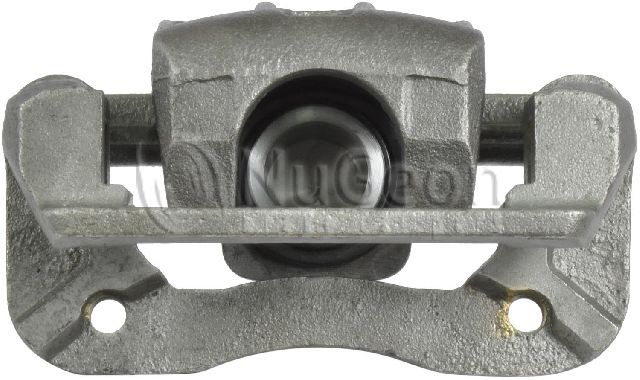
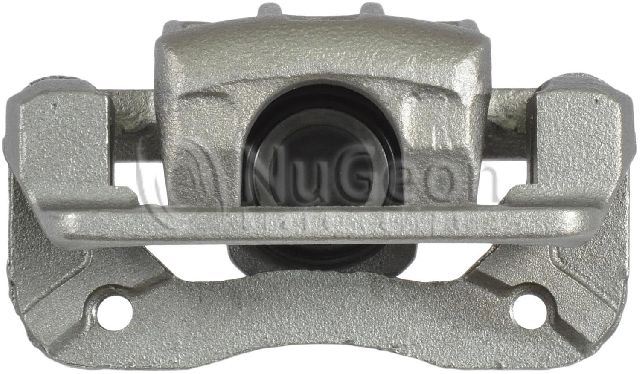
The 2001-2010 Kia Magentis uses a floating (or sliding) single-piston caliper design for both front and rear applications. There are distinct part differences between the first generation (2001-2006) and the second generation (2006-2010). Always verify the specific model year before purchasing.
We Have This Part in Stock


The information in this article is provided for general reference and educational purposes only. Vehicle specifications, procedures, and part compatibility can vary by production date, trim level, and region. Always consult your vehicle's factory service manual and verify part numbers before purchasing or performing repairs. Safety-critical components such as airbags, seat belts, and braking systems should be installed by a qualified professional.
- Kia Magentis: