

Kia Magentis (2001-2010) Engine Crankshaft Position Sensor Guide
Having trouble starting your Magentis or dealing with a rough idle? Your crankshaft position sensor might be the culprit.
- A failing sensor will most commonly cause a no-start or stalling condition.
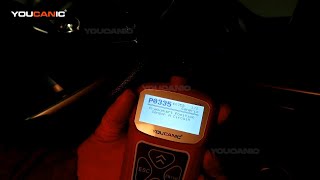
- The most common trouble code is P0335; get your car scanned if the check engine light is on.
- This is a DIY-friendly repair for most owners, typically held by one 10mm bolt.
- High-quality aftermarket brands like NGK, Hitachi, or Standard Motor Products offer reliable performance without the OEM price tag.
Understanding Crankshaft Sensor Failure in Your Magentis
The crankshaft position sensor is a small but critical part. When it starts to fail, it can cause a range of frustrating problems. For the 2001-2010 Kia Magentis, these sensors can fail from normal wear and tear, high engine temperatures, or damage to the wiring. Recognizing the symptoms early can save you from being stranded.
Common Symptoms of a Failing Sensor
If your Magentis is experiencing any of the following issues, a bad crankshaft position sensor is a likely suspect:
- No Start or Hard Starting: The engine cranks but takes a long time to start, or won't start at all. This is the most common and serious symptom.
- Engine Stalling: The engine suddenly shuts off while driving, which can be very dangerous. It might happen randomly or when the engine gets hot.
- Check Engine Light: A failing sensor will almost always trigger the Check Engine Light. The most common code is P0335, 🎬 Watch this step-by-step guide to fixing the P0335 error code. indicating a circuit malfunction.
- Rough Idle and Misfires: Your car may shake or vibrate when stopped, and the engine might misfire, causing a loss of power.
- Poor Acceleration: The car feels sluggish and doesn't accelerate smoothly.
- Decreased Fuel Economy: When the sensor provides bad data, the engine's timing is off, leading to wasted fuel.
Is It Safe to Drive?
Driving with a failing crankshaft position sensor is not recommended. The risk of the engine stalling unexpectedly, especially in traffic or at high speeds, is a serious safety hazard. If you suspect a failure, it's best to get the vehicle inspected and repaired as soon as possible.
Choosing the Right Aftermarket Sensor
For a vehicle like the 2001-2010 Magentis, you don't necessarily need to buy an expensive OEM (Original Equipment Manufacturer) part from the dealer. Many aftermarket brands offer quality replacements that meet or exceed original specifications. Here's a breakdown of brand tiers based on general reputation and availability:
- Tier 1 (High-Quality Aftermarket): Brands like NGK (NTK), Hitachi, and Standard Motor Products (SMP) are well-regarded for their electronics. They often manufacture parts for original automakers and provide excellent reliability.
- Tier 2 (Reputable Standard Replacement): Brands such as Spectra, Walker Products, and Holstein offer a good balance of quality and price. They are a solid choice for a daily driver and often come with good warranties.
- Tier 3 (Value-Oriented): Brands like Global Parts, Prenco, True Tech, and Vemo are typically the most affordable. While they can be a good budget option, quality can sometimes be inconsistent. They are best for those on a tight budget who need to get their car back on the road.
Pro Tip: When replacing this sensor, it's a good idea to also inspect the wiring connector for any damage, corrosion, or oil contamination. Sometimes the problem is in the connection, not the sensor itself.
Cost to Replace Kia Magentis Crankshaft Sensor
| Part Type | Estimated Cost |
|---|---|
| New Aftermarket | $27 - $91 |
| Shop Labor | $75 - $150 |
| Total Estimated Cost | $102 - $241 |
Note: Costs are estimates and can vary based on your location, the specific part chosen, and your vehicle's engine (2.4L 4-cylinder vs. 2.5L/2.7L V6).
Frequently Asked Questions
Where is the crankshaft position sensor located on a Kia Magentis?
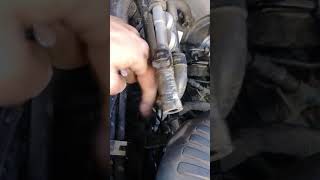
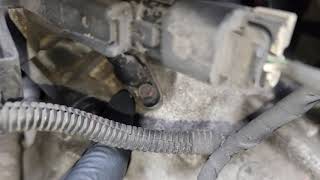
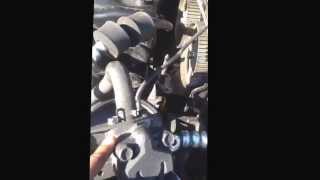
The location depends on the engine. On many Kia models, it is found on the back of the engine block, near where the engine connects to the transmission. On some V6 models, it may be accessible from underneath, near the oil filter. 🎬 Watch this video to find the sensor location on V6 models. Always confirm the location for your specific engine before starting work.
Is this a difficult part to replace myself?
For a DIYer with basic tools, this is a manageable job. It typically involves removing a single 10mm bolt and disconnecting an electrical connector. Access can be tight, so having a good ratchet and possibly an extension is helpful. The difficulty is generally low, and it can be done in under an hour.
🎬 See a walkthrough of the replacement process on an Optima.What is the most common trouble code for a bad crankshaft sensor?
The most common diagnostic trouble code (DTC) is P0335, which means "Crankshaft Position Sensor 'A' Circuit Malfunction." You might also see P0339, which indicates an intermittent signal. A simple OBD-II scanner can read these codes for you.
Are there any recalls for the Kia Magentis crankshaft sensor?
Searches did not find any specific recalls for the crankshaft position sensor on the 2001-2010 Kia Magentis. There were recalls for the crankshaft itself on some other Kia models and years due to manufacturing defects, but these do not appear to apply to the sensor for this specific vehicle range. Always check for recalls using your vehicle's VIN on the NHTSA website.
Helpful Videos
Technical Specifications
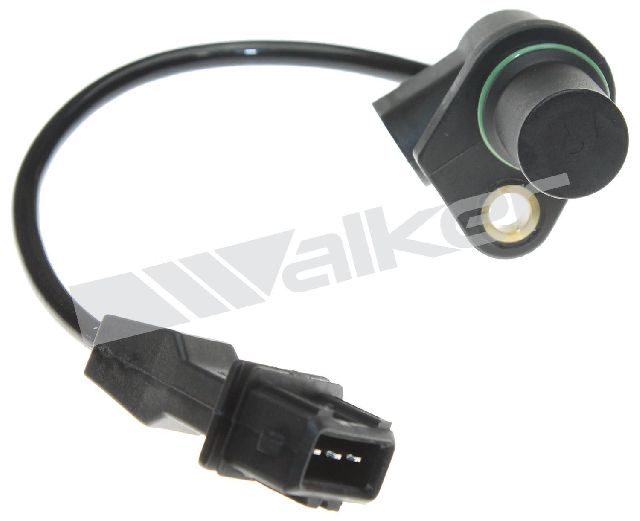
OEM Part Numbers: 3918037150 39180-37150
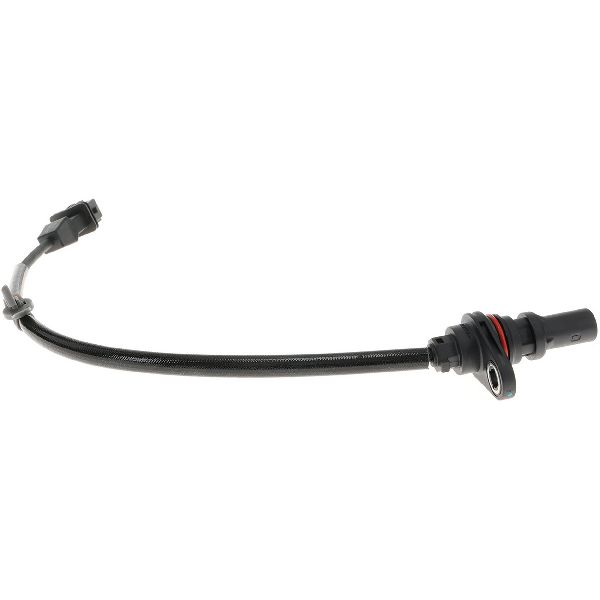
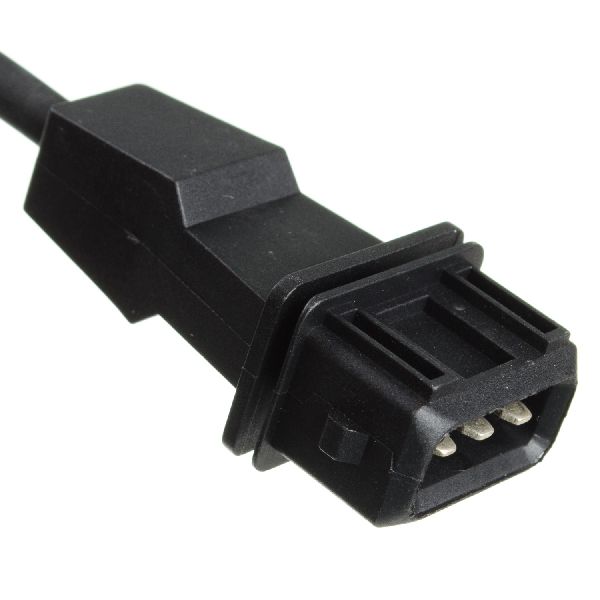
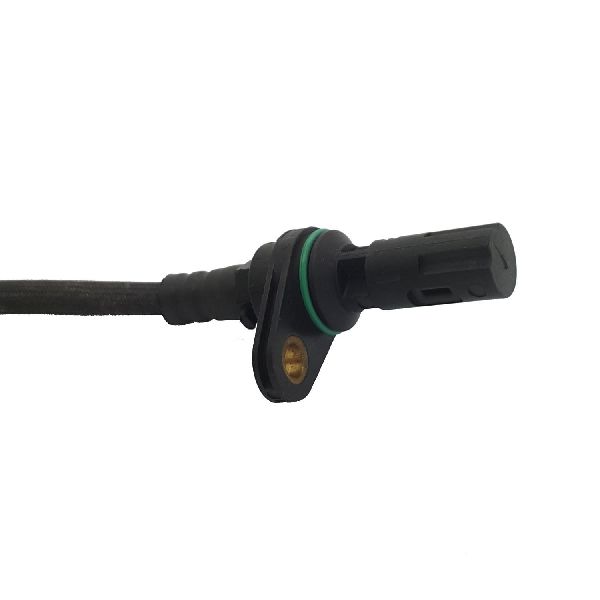
Typically a 3-pin, blade-style connector. The sensor type is a Hall Effect or magnetic reluctance sensor that generates a voltage signal as the crankshaft rotates.
We Have This Part in Stock


The information in this article is provided for general reference and educational purposes only. Vehicle specifications, procedures, and part compatibility can vary by production date, trim level, and region. Always consult your vehicle's factory service manual and verify part numbers before purchasing or performing repairs. Safety-critical components such as airbags, seat belts, and braking systems should be installed by a qualified professional.
- Kia Magentis: