

A Home Mechanic's Guide to the 2001-2010 Kia Magentis Oxygen Sensor
Fix your check engine light and poor gas mileage by choosing the right oxygen sensor for your Magentis.
- Identify your engine (2.4L I4 or 2.7L V6) to know if you need two or four sensors.
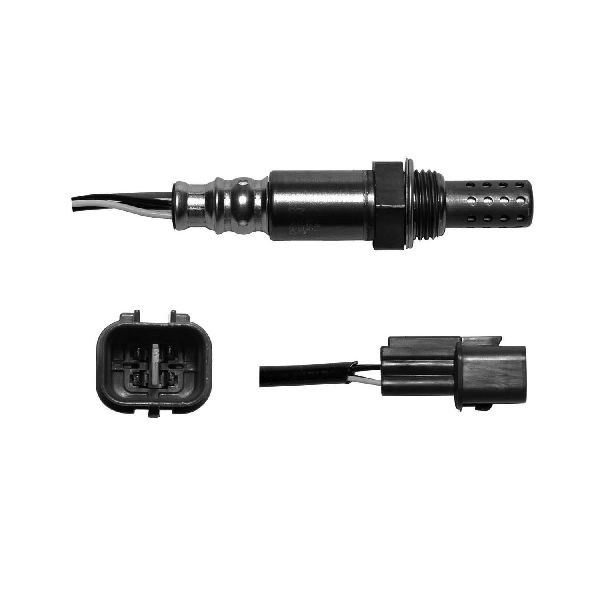
- For best results, choose a direct-fit sensor from an OEM-equivalent brand like Denso or NGK/NTK.
- A special oxygen sensor socket is highly recommended for DIY replacement to prevent damaging the new part.
- Do not ignore a failing O2 sensor, as it will hurt fuel economy and can lead to costly catalytic converter damage.
Is Your Magentis Oxygen Sensor Failing?
When an oxygen sensor goes bad, your car's computer gets the wrong information, which can cause several noticeable problems. The first sign for most drivers is the check engine light turning on. You may also notice your fuel economy getting worse, a rough or shaky idle, and a lack of power when you accelerate. In some cases, you might smell a sulfur or 'rotten egg' odor from the exhaust, which is a sign that the failing sensor is putting extra stress on the catalytic converter. Ignoring a bad O2 sensor can lead to failing an emissions test and can eventually cause expensive damage to your catalytic converter.
Generation and Engine Differences
Before buying a replacement, you must know which engine your 2001-2010 Kia Magentis (also sold as the Optima in North America) has. The number of sensors is different for each engine type.
- 2.4L 4-Cylinder Engine: These models have two oxygen sensors. One is an "upstream" sensor (Bank 1, Sensor 1) on the exhaust manifold before the catalytic converter, and the other is a "downstream" sensor (Bank 1, Sensor 2) located after the catalytic converter.
- 2.5L or 2.7L V6 Engine: These models have four oxygen sensors. There are two upstream sensors (Bank 1, Sensor 1 and Bank 2, Sensor 1) for each cylinder bank, and two downstream sensors (Bank 1, Sensor 2 and Bank 2, Sensor 2) for each catalytic converter.
Pro Tip: "Bank 1" always refers to the side of the engine that contains cylinder #1. On V6 models, "Bank 2" is the opposite bank. "Sensor 1" is always upstream (before the catalytic converter), and "Sensor 2" is always downstream (after the catalytic converter).
Choosing the Right Aftermarket Oxygen Sensor
When it comes to aftermarket sensors for your Magentis, quality matters. Using a low-quality sensor can cause continued performance issues or new error codes. Brands generally fall into tiers based on quality and whether they supply parts directly to Kia.
Brand Quality Tiers
- Tier 1 (OEM-Equivalent): Denso, NGK (also sold as NTK)
These brands are the original equipment manufacturers for many Kia vehicles. Choosing a Denso or NGK/NTK sensor is the safest bet for a direct-fit replacement that performs exactly like the original part. They are highly recommended by mechanics for reliability and longevity. - Tier 2 (Premium Aftermarket): Bosch
Bosch is a pioneer in oxygen sensor technology and a massive auto parts supplier. Their direct-fit sensors are a reliable choice. However, some mechanics note that for Japanese and Korean vehicles, sticking with the original OEM brand (Denso or NGK) can sometimes prevent rare compatibility issues. Avoid their "universal" sensors that require splicing wires. - Tier 3 (Standard/Economy): Walker Products, Spectra
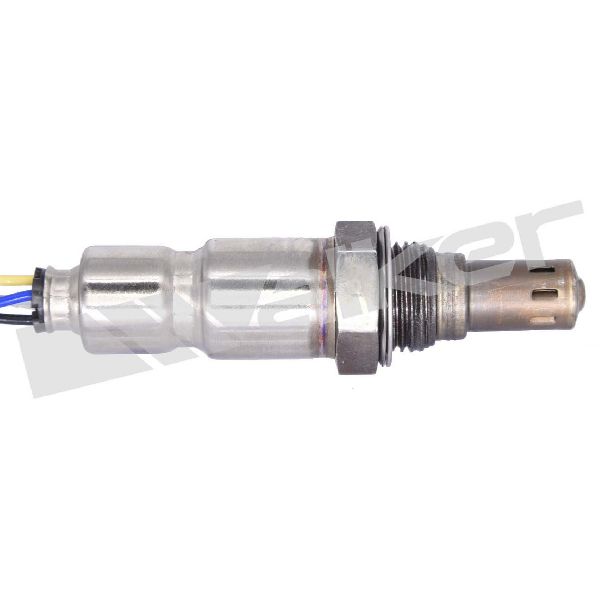
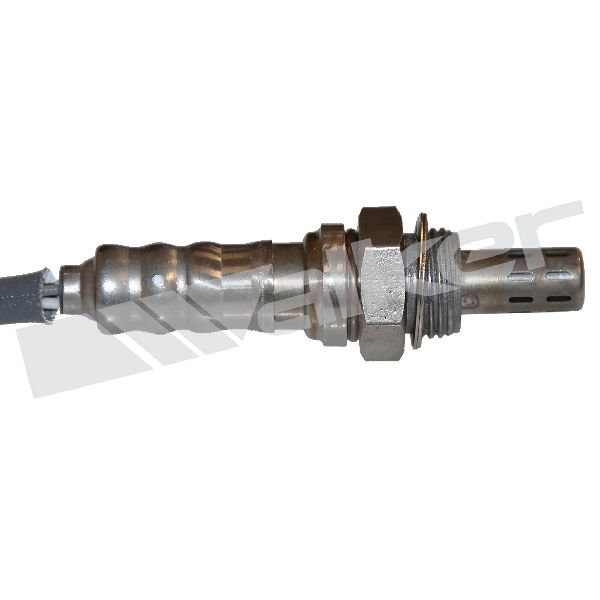
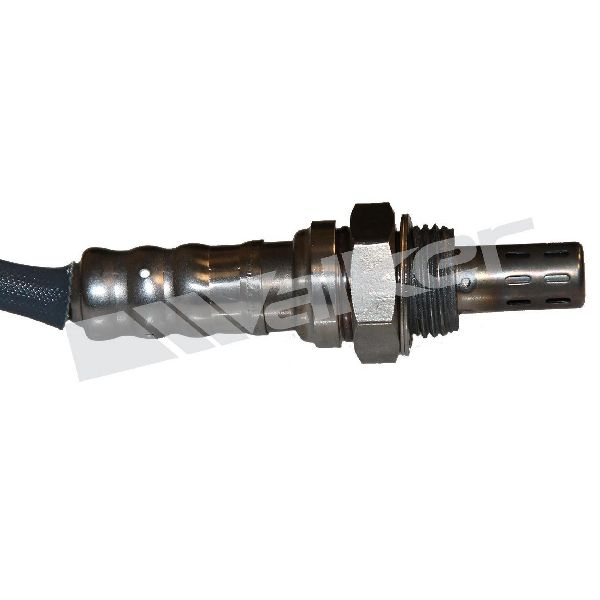
These brands offer a balance of affordability and performance. Walker Products is a well-established company, and their direct-fit sensors are often a good value for drivers on a budget. Spectra is also an economy-focused option. While functional, these brands may not offer the same lifespan or precise calibration as the OEM-equivalent brands.
How Much Does an Oxygen Sensor Replacement Cost?
The cost to replace an oxygen sensor on a 2001-2010 Kia Magentis depends on the sensor's location, brand, and whether you do the job yourself.
| Item | Estimated Cost |
|---|---|
| New Aftermarket Sensor (DIY) | $25 - $238 per sensor |
| New OEM Sensor (Part Only) | $150 - $335 per sensor |
| Shop Labor Cost | $65 - $100 per sensor |
| Total Professional Replacement | $200 - $430+ per sensor |
Frequently Asked Questions (FAQ)
Do I need a special tool to replace an O2 sensor?
Yes, using a special oxygen sensor socket is highly recommended. This socket has a slot down the side that allows the sensor's wire to pass through, preventing damage during installation. You can often rent one from a local auto parts store.
Should I replace all the sensors at once?
No, you only need to replace the specific sensor that has failed. A mechanic will use a diagnostic scan tool to read the trouble code (like P0140 or P0153) which identifies the exact sensor that is causing the problem.
Can I clean my oxygen sensor?
While some online sources suggest cleaning O2 sensors, it is not a reliable or long-term fix. The internal sensing element degrades over time and cannot be restored by cleaning. Replacement is the only proper solution for a failed sensor.
What causes an oxygen sensor to fail?
The most common cause is simply age and high mileage (typically over 60,000-100,000 miles). Failure can be accelerated by contaminants like burnt oil or coolant leaking into the exhaust, or by using the wrong type of silicone sealant on engine repairs. Physical damage to the sensor or its wiring can also cause it to fail.
Technical Specifications
OEM Part Numbers: 39210-2G350 39210-2G400 39210-25110 39210-37540
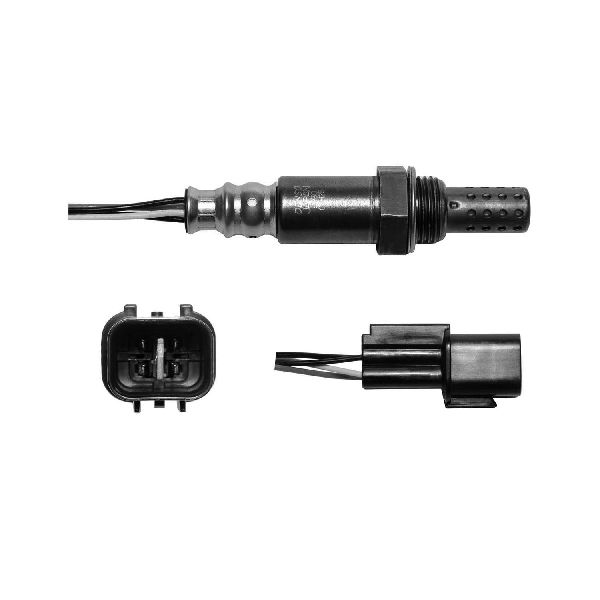
Number of sensors depends on engine: two for 2.4L I4, four for 2.7L V6. Always use a direct-fit sensor with the correct plug. Upstream sensors (Sensor 1) and downstream sensors (Sensor 2) are different and not interchangeable.
We Have This Part in Stock


The information in this article is provided for general reference and educational purposes only. Vehicle specifications, procedures, and part compatibility can vary by production date, trim level, and region. Always consult your vehicle's factory service manual and verify part numbers before purchasing or performing repairs. Safety-critical components such as airbags, seat belts, and braking systems should be installed by a qualified professional.
- Kia Magentis: