

Disc Brake Pad Set Replacement Guide for the 2001-2010 Kia Optima
Get the right brake pads for your Optima and understand the signs it's time for a replacement.
- Verify your Optima's generation (2001-2005 vs. 2006-2010) before buying, as brake pads are likely different.
- For most drivers, a quality ceramic aftermarket pad from a brand like Bosch, Wagner, or Centric offers the best balance of price and performance.
- Listen for squealing noises as an early warning and address grinding sounds immediately to prevent costly rotor damage.
- Replacing hardware and considering new rotors with your new pads is a best practice for a complete and quiet brake job.
Signs Your Optima's Brake Pads Are Worn Out
Your Kia Optima will give you clear warnings when the brake pads are nearing the end of their life. Ignoring these signs can lead to more expensive repairs, like needing to replace the brake rotors as well.
- Squealing or Screeching Noises: Most brake pads, including those for the Optima, have a small metal tab called a wear indicator. When the pad material gets low, this tab scrapes against the rotor, making a high-pitched noise when you brake. This is a built-in signal to get your brakes checked.
- Grinding Sounds: If you hear a deep, harsh grinding noise, it's a serious sign. This often means the brake pad material is completely gone, and the metal backing plate is grinding against the rotor. Stop driving and have your brakes inspected immediately to prevent severe damage.
- Vibration or Pulsing: If you feel a pulsing or vibration in the brake pedal or steering wheel when you apply the brakes, it can indicate warped rotors. This often happens when worn pads have been used for too long, creating excessive heat.
- Longer Stopping Distances: If you notice your car is taking longer to stop than it used to, your brake pads may be too worn to provide effective friction.
Generation and Engine Size Matter
The 2001-2010 Kia Optima spans two different generations: the first generation (MS, 2001-2005) and the second generation (MG, 2006-2010). Brake components are often different between these two generations. Furthermore, some models within the same year might have different brake sizes depending on the engine (4-cylinder vs. V6). Always verify your Optima's exact year and engine to ensure you purchase the correct brake pads.
Choosing the Right Aftermarket Brake Pads
Aftermarket brake pads offer a wide range of options that can be as good as, or even better than, the original factory pads, often at a lower cost. They are generally categorized by their material, which affects performance, noise, and dust.
Brand & Quality Tiers for Your Optima
Here’s how to choose from the available brands for your daily-driven Optima:
- Economy (Good): Brands like Pronto and Total Stopping Solutions offer a budget-friendly option. They are a practical choice for getting your car back on the road safely, but may not last as long or be as quiet as more expensive pads.
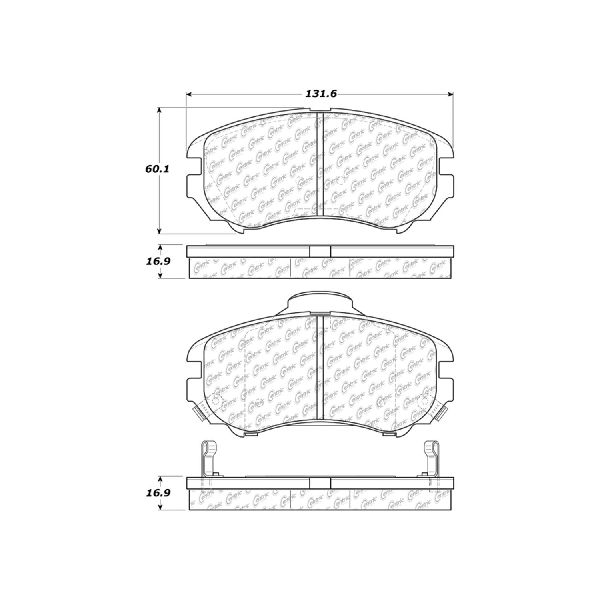
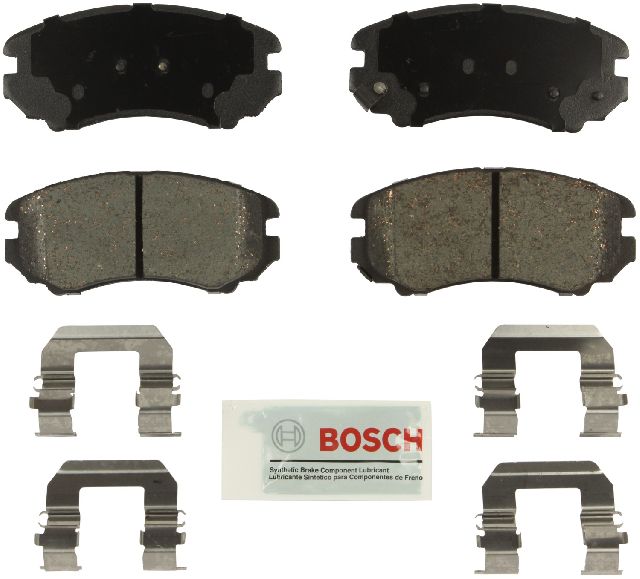
- Daily Driver / OEM-Quality (Better): This is the sweet spot for most Optima owners. Brands such as Bosch, Wagner Brakes, Centric, Raybestos, and ACDelco provide a balance of performance, low noise, and durability that meets or exceeds the original factory specifications. They are typically ceramic or semi-metallic and are an excellent value.
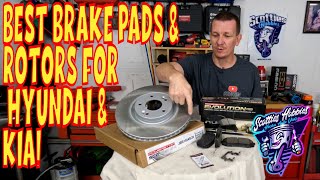
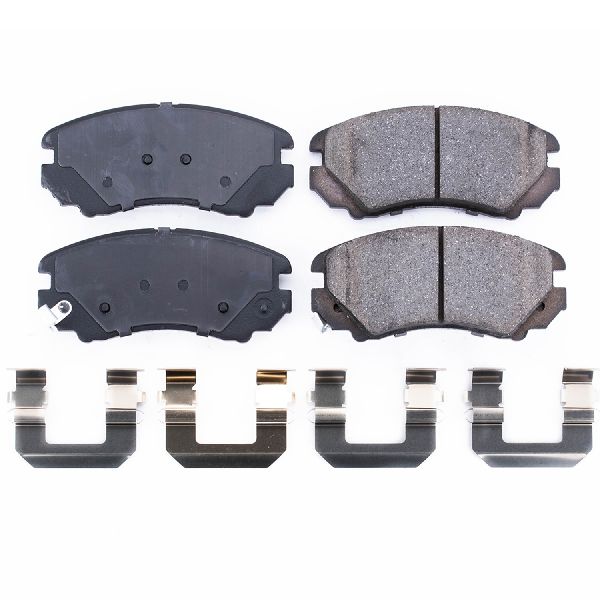
- Performance / Upgrade (Best): If you want improved stopping power and are willing to potentially accept more dust or noise, brands like Powerstop, EBC Brakes, and Brembo are top choices. Powerstop's Z16 and Z17 ceramic pads 🎬 Watch a review of the best brake pads for your Optima. are popular for being low-dust and quiet while offering enhanced performance.
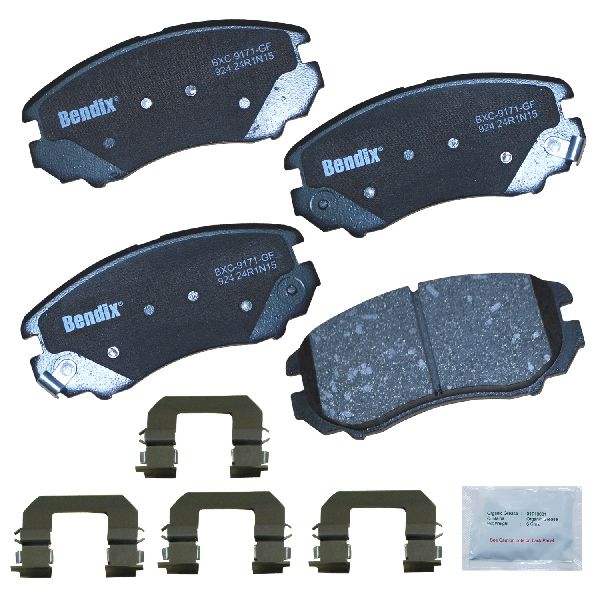
Pro Tip: Many aftermarket brake pad sets come with new hardware like clips and shims. It is highly recommended to replace the old hardware when you install new pads to ensure a quiet, rattle-free fit.
Known Issues, Recalls, and TSBs
While my search found no widespread, specific problems with the brake pads themselves for the 2001-2010 Kia Optima, there are some related items to be aware of:
- Recalls: There have been no major recalls specifically for the brake pads on 2001-2010 Optimas. A recall for later models (2013-2015) concerned the Hydraulic Electronic Control Unit (HECU) and did not apply to this year range. A recall for 2001-2004 models focused on front subframe corrosion in states with heavy road salt use, which could affect suspension and steering but was not a direct brake component issue.
- Technical Service Bulletins (TSBs): No major TSBs directly related to premature brake pad wear were found for this generation. TSBs for these vehicles primarily address other systems.
Cost of Replacing Kia Optima Brake Pads
| Item | Estimated Cost |
|---|---|
| Aftermarket Brake Pad Set (Parts Only) | $24 - $90 |
| Shop Labor Cost (Per Axle) | $80 - $150 |
| Total Professional Replacement (Pads Only, Per Axle) | $150 - $300 |
Costs are estimates and can vary based on your location, the specific parts chosen, and your vehicle's condition. Replacing rotors at the same time will increase the total cost.
Frequently Asked Questions
Do I need to replace my rotors with my brake pads?
Not always, but it's highly recommended. If your rotors are smooth, thick enough (above the minimum thickness stamped on the rotor), and not warped, they can sometimes be reused. However, installing new pads on old rotors can lead to noise and uneven wear. For the best performance and longevity, replacing pads and rotors together is the best practice.
What's the difference between ceramic and semi-metallic pads?
Ceramic pads are known for being quiet, producing less dust, and offering a smooth pedal feel, making them great for daily driving. Semi-metallic pads can handle higher temperatures and often provide more bite, but they can be noisier and create more brake dust. For a typical 2001-2010 Optima, a quality ceramic pad is an excellent all-around choice.
Can I replace just the front or rear brake pads?
Yes. Brake pads are replaced per axle (both front wheels or both rear wheels). The front brake pads on your Optima typically wear out faster than the rears because they handle most of the braking force. You do not need to replace all four sets at once if only one axle is worn out.
Are expensive aftermarket pads worth it for my Optima?
It depends on your needs. For daily commuting, a mid-range, OEM-quality brand like Bosch or Wagner provides excellent safety and performance without the high cost of performance pads. High-performance pads are generally unnecessary for a standard Optima and won't provide a noticeable benefit in normal driving conditions.
Helpful Videos
Technical Specifications
OEM Part Numbers: 5810139A40 581013CA10 583023CA10 583023KA61
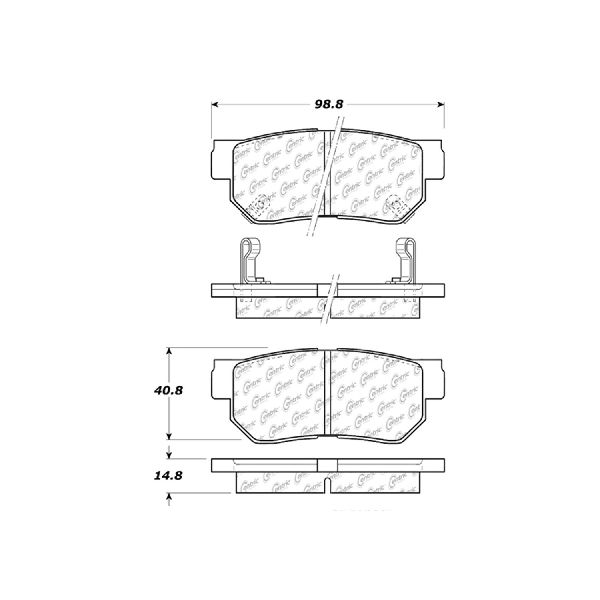
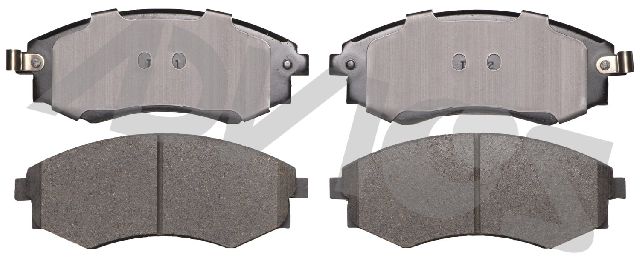
The 2001-2010 Kia Optima uses different brake pads depending on the model year and generation. The first generation (MS; 2001-2005) and second generation (MG; 2006-2010) have distinct part numbers. Always confirm fitment using the vehicle's VIN or by selecting the exact year and sub-model during purchase.
We Have This Part in Stock

The information in this article is provided for general reference and educational purposes only. Vehicle specifications, procedures, and part compatibility can vary by production date, trim level, and region. Always consult your vehicle's factory service manual and verify part numbers before purchasing or performing repairs. Safety-critical components such as airbags, seat belts, and braking systems should be installed by a qualified professional.
- Kia Optima:
- 🎬 Helpful Videos
- 🛍️ Shop This Part
- Signs Your Optima's Brake Pads Are Worn Out
- Generation and Engine Size Matter
- Choosing the Right Aftermarket Brake Pads
- Brand & Quality Tiers for Your Optima
- Known Issues, Recalls, and TSBs
- Cost of Replacing Kia Optima Brake Pads
- Frequently Asked Questions
- 🎟️ Get 5% Off