

Kia Optima Engine Timing Belt Guide for 2001-2010 Models
Don't let a worn timing belt destroy your Optima's engine—here's what you need to know before you buy a replacement.
- All 2001-2010 Optima engines are interference engines; a broken timing belt will cause severe engine damage.
- The recommended replacement interval is every 60,000 miles or 48 months, whichever comes first.
- Always buy a complete kit that includes the belt(s), tensioner, idler pulleys, and water pump.
- Confirm if you have the 2.4L 4-cylinder or 2.7L V6 engine before purchasing, as the parts are different.
Is Your Optima's Timing Belt Failing?

A timing belt often fails without much warning, which is why replacing it on schedule is so important. However, there are a few signs that may indicate your belt, or its related components like the tensioner, are wearing out.
- Ticking or Clanking Noises: A ticking sound from the front of the engine can be a sign that the belt is wearing out or the tensioner is failing.
- Engine Won't Start: If the belt has snapped, the engine will crank but won't be able to start. You might hear the starter motor engage, but the engine itself won't turn over.
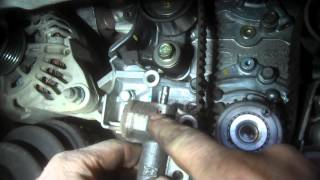
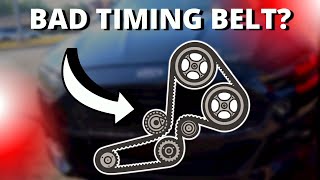
- Rough Idle and Misfires: If the belt has stretched or jumped a tooth, the engine's timing will be off. This can cause a rough idle, engine misfires, and a general loss of power. A check engine light may appear with misfire codes (like P0300) or camshaft/crankshaft correlation codes (like P0016). 🎬 Watch this guide to identify common symptoms of a failing belt.
- Oil Leaks: Oil leaking from the front of the engine, near the timing belt cover, can indicate a failing camshaft or crankshaft seal, which are often replaced during a timing belt job.
Critical Maintenance: The 60,000-Mile Rule
For both the 2.4L and 2.7L engines in the 2001-2010 Optima, the recommended replacement interval for the timing belt is every 60,000 miles or 48 months, whichever comes first. Because these are interference engines, waiting longer is a major gamble that can lead to complete engine failure.
Choosing the Right Aftermarket Timing Belt

When shopping for a timing belt, you'll see options for just the belt or a complete kit. For the Kia Optima, a kit is the only way to go. The labor to access the belt is the most expensive part of the job, so you should replace all related wear items at the same time.
What a good kit should include:
- Timing Belt
- Timing Belt Tensioner (and hydraulic tensioner if applicable)
- Idler Pulley(s)
- Water Pump with Gasket
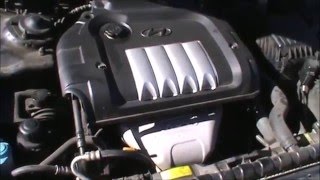
- For 2.4L engines, the kit should also include the Balance Shaft Belt and its tensioner. 🎬 Watch this step-by-step timing belt replacement for the 2.4L engine.
Aftermarket Brand Quality
Many aftermarket brands supply the original parts to Kia, so the quality is often identical to OEM. You can confidently choose a kit from a reputable brand and get reliable performance.
- Top-Tier (OEM Quality): Brands like Gates, Continental (ContiTech), and Aisin are industry benchmarks and often supply the original factory parts. Their kits are known for including high-quality belts, tensioners, and water pumps designed to meet or exceed factory specifications.
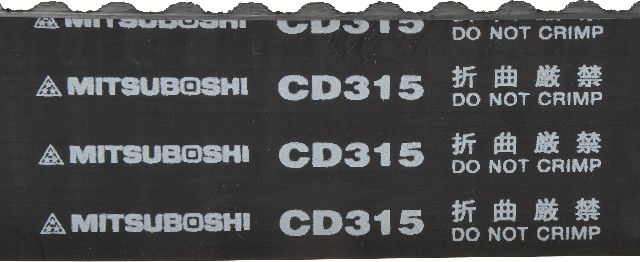
- Reliable Alternatives: Dayco, Bando, and Mitsuboshi are also well-regarded brands that produce quality timing components. Dayco belts are known for their durability but can sometimes be stiffer during installation.
- Component Specialists: Cloyes is another trusted name in timing components. You may also find kits that use an INA tensioner, which is a top-quality component supplier.
Pro Tip: 4-Cylinder vs. V6 Engine
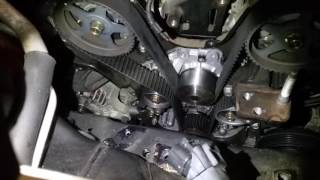
Before ordering, you must confirm which engine your Optima has. The 2001-2006 models offered a 2.4L 4-cylinder or a 2.5L/2.7L V6. From 2006.5-2010, the options were a 2.4L 4-cylinder or a 2.7L V6. The timing belt kits are completely different for the 4-cylinder and V6 engines. 🎬 See a complete walkthrough for the V6 timing belt and water pump. Check the emissions sticker under your hood or your vehicle's VIN to be sure.
Known Issues, Recalls, or TSBs

Searches of the National Highway Traffic Safety Administration (NHTSA) database and other technical resources did not reveal any specific recalls or Technical Service Bulletins (TSBs) for timing belt failure on the 2001-2010 Kia Optima. The primary issue is simply the need for timely replacement to prevent engine damage.
| Part/Service | Estimated Cost |
|---|---|
| New Aftermarket Kit | $75 - $345 |
| New OEM Kit | $250 - $450 |
| Shop Labor | $300 - $500 |
| Total Professional Job | $450 - $900+ |
Frequently Asked Questions (FAQ)

Is my 2001-2010 Optima's engine an interference engine?
Yes, both the 2.4L 4-cylinder and the 2.7L V6 engines are interference designs. This means if the timing belt breaks, the pistons will hit the valves, causing severe engine damage. This is why replacing the belt on schedule is absolutely essential.
Should I replace the water pump with the timing belt?
Yes, absolutely. The water pump is driven by the timing belt and is located behind the same covers. Since the labor is the most expensive part of the job, and the water pump has a similar lifespan to the belt, it is standard practice to replace it at the same time to avoid a future failure and having to pay for the same labor twice.
What is a balance shaft belt? Do I need one?
The 2.4L 4-cylinder engine in the Optima has a second, smaller belt called a balance shaft belt. This belt spins weights that counteract engine vibration to make it run smoother. This belt and its tensioner should always be replaced at the same time as the main timing belt. The V6 engine does not have a balance shaft belt.
Can I just replace the belt and not the tensioner and pulleys?
This is strongly discouraged. The tensioner and idler pulleys are bearings that wear out. A seized pulley or a failed tensioner will cause the new belt to fail, leading to the same catastrophic engine damage as a snapped belt. Always replace these components as part of a complete kit.
Helpful Videos
Technical Specifications
OEM Part Numbers: 24312-37500 (V6) 24312-37100 (V6) 24312-38220 (I4) 24312-38210 (I4) 23356-38010 (I4 Balance Shaft Belt)
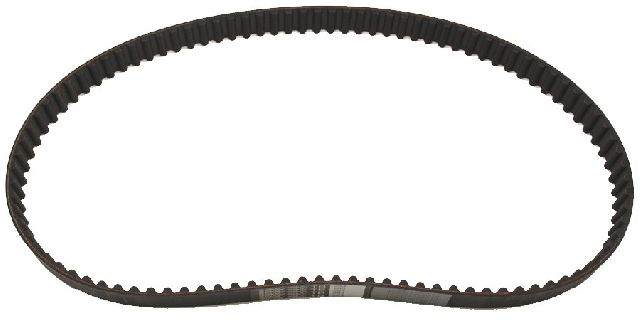
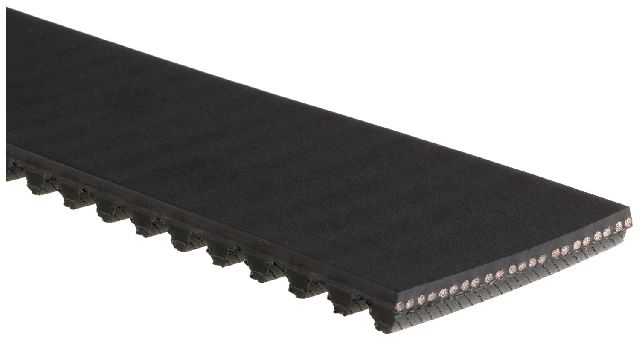
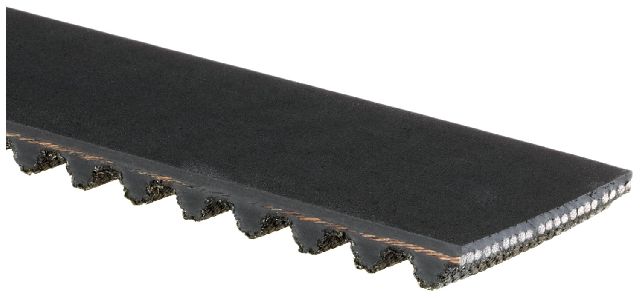
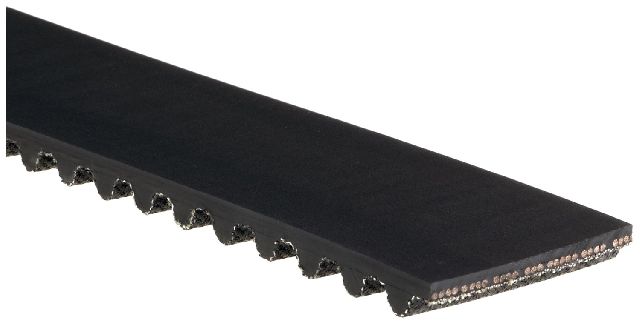
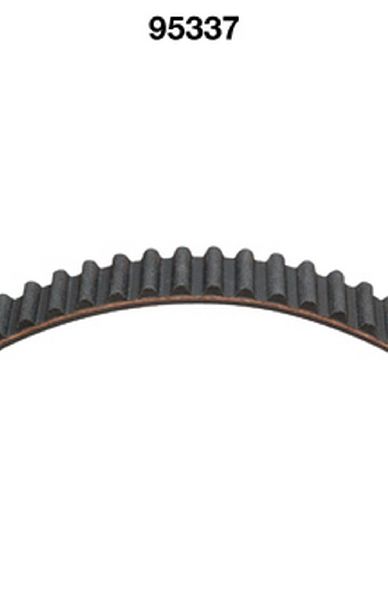
Belt Type: Toothed Rubber Belt. Engine Type: Interference. Recommended Interval: 60,000 miles or 48 months.
We Have This Part in Stock

The information in this article is provided for general reference and educational purposes only. Vehicle specifications, procedures, and part compatibility can vary by production date, trim level, and region. Always consult your vehicle's factory service manual and verify part numbers before purchasing or performing repairs. Safety-critical components such as airbags, seat belts, and braking systems should be installed by a qualified professional.
- Kia Optima: