

2001-2010 Mazda B2300 Cylinder Head Temperature Sensor Explained
If your truck's temperature gauge is acting strange or your fuel economy has dropped, this critical sensor may be the reason.
- Your B2300 uses a Cylinder Head Temperature (CHT) sensor, not a standard coolant (ECT) sensor.
- A bad sensor will cause poor fuel economy, rough running, and an inaccurate temperature gauge.
- Replacement is simple but requires a special deep 19mm socket to remove and install the sensor.
- For best results and reliability, choose an OEM (Motorcraft) or a premium aftermarket brand like Standard Ignition.
Is Your B2300 Sensor Failing?
When the Cylinder Head Temperature (CHT) sensor on your Mazda B2300 starts to fail, it sends incorrect information to your truck's main computer. The computer might think the engine is always cold or always hot, leading to a number of noticeable issues. Because the 2.3L engine in this truck relies on this sensor to infer coolant temperature, a bad reading can cause significant problems.
A Critical Distinction: CHT vs. ECT Sensor
It is very important to know that your 2001-2010 Mazda B2300 with the 2.3L engine does not use a typical Engine Coolant Temperature (ECT) sensor that sits in coolant. It uses a Cylinder Head Temperature (CHT) sensor that measures the temperature of the engine's metal head directly. The computer then calculates the coolant temperature from this reading. When searching for or ordering this part, make sure you are getting a CHT sensor, as an ECT sensor for a different engine will not work.
Common Symptoms of a Bad CHT Sensor
- Poor Fuel Economy: If the sensor is stuck reading cold, the computer will constantly run a rich fuel mixture, wasting gas.
- Check Engine Light: A failing CHT sensor will almost always trigger a Check Engine Light. Common codes include P0117 (Sensor Circuit Low Input) or P0118 (Sensor Circuit High Input).
- Erratic Temperature Gauge: The gauge on your dashboard might swing wildly, stay on cold, or jump to hot immediately after starting the truck.
- Black Smoke from Exhaust: A rich fuel mixture from a bad sensor reading can result in unburned fuel exiting through the exhaust, creating black smoke.
- Rough Idle or Stalling: The engine may run poorly, especially when it's supposed to be at normal operating temperature, because the fuel and timing calculations are wrong.
Choosing the Right Aftermarket Sensor
For a critical sensor like the CHT, quality and accuracy matter. While many brands are available, they are not all created equal. The original sensor is a Motorcraft part, as this truck is a rebadged Ford Ranger.
- OEM (Motorcraft): This is the part your truck was built with. It guarantees perfect fit and accurate readings. For critical electronics, many mechanics recommend sticking with the original manufacturer.
- Premium Aftermarket (Standard Ignition, Walker Products): Brands like Standard Motor Products (SMP) and Walker have a strong reputation for producing quality electronic components that meet or exceed OEM specifications. They are a reliable choice if an OEM part is not available or is too expensive.
- Standard/Economy Aftermarket (Holstein, Four Seasons, Facet, etc.): These brands offer the most budget-friendly options. While they may function correctly, some user forums report issues with cheaper sensors having inaccurate readings or a shorter lifespan. For a sensor that controls your fuel mixture, investing a few extra dollars in a more reputable brand can prevent future headaches.
Cost Comparison: CHT Sensor
| Part Type | Typical Price Range |
|---|---|
| New OEM (Motorcraft) | $40 - $70 |
| New Aftermarket | $15.09 - $32.27 |
| Shop Labor | $50 - $100 |
Known Issues, Recalls, and Bulletins
Searches of the NHTSA database and technical service bulletins show numerous recalls for the 2001-2010 Mazda B2300, but they are all related to Takata airbag inflators. There are no active recalls or common TSBs specifically for the Cylinder Head Temperature sensor on this vehicle.
Installation Tip
Replacing the CHT sensor is a DIY-friendly job. It is located on top of the engine, between the second and third spark plugs, underneath the plastic valve cover trim. The most important thing you need is a special deep 19mm socket that allows the sensor's plastic connector to fit inside. A standard deep socket will not be deep enough. After starting the new sensor by hand, it should be torqued to 106 inch-pounds. Be careful not to let any dirt or debris fall into the engine when the sensor is removed.
Frequently Asked Questions (FAQ)
Is it an ECT sensor or a CHT sensor?
For the 2001-2010 Mazda B2300 with the 2.3L engine, it is a Cylinder Head Temperature (CHT) sensor. It does not read coolant temperature directly but measures the engine head's temperature.
Where is the CHT sensor located on my B2300?
It is located on the top of the engine, in the cylinder head, between the spark plugs for cylinders 2 and 3. You will need to remove the central plastic cover on the valve cover to see it.
Can I replace this sensor myself?
Yes, this is a relatively easy job for a DIY mechanic. The key is having a deep 19mm socket designed for sensors. The entire job can usually be done in less than 30 minutes.
Why is my temperature gauge not working but I have no check engine light?
While less common, it's possible for the sensor to fail in a way that provides a steady, but incorrect, signal that the computer doesn't flag as an error. However, in most cases, a complete failure that affects the gauge will also trigger the check engine light.
Technical Specifications
OEM Part Numbers: F6DZ10884AA F7DZ10884AA F77F10884AB
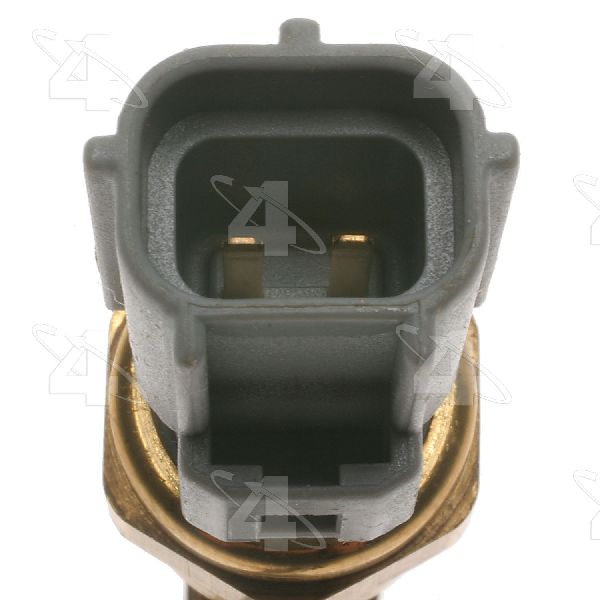
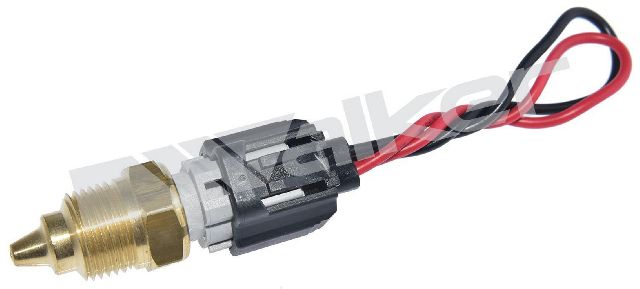
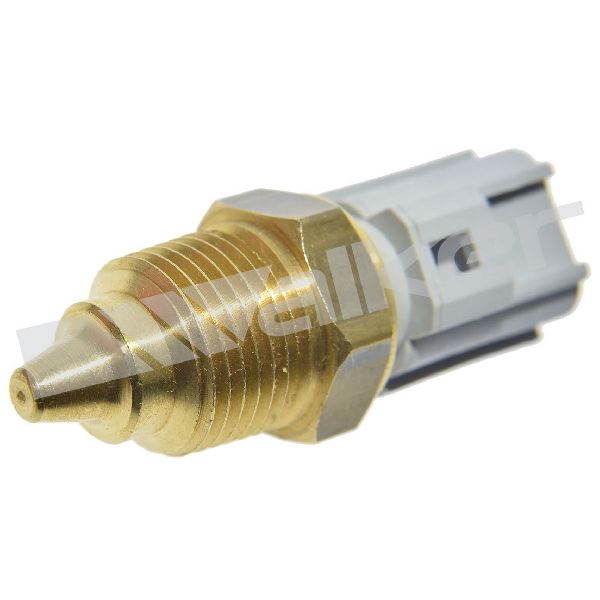
This vehicle uses a 2-terminal Cylinder Head Temperature (CHT) sensor that threads into the cylinder head between spark plugs #2 and #3. It does not make direct contact with engine coolant.
We Have This Part in Stock


The information in this article is provided for general reference and educational purposes only. Vehicle specifications, procedures, and part compatibility can vary by production date, trim level, and region. Always consult your vehicle's factory service manual and verify part numbers before purchasing or performing repairs. Safety-critical components such as airbags, seat belts, and braking systems should be installed by a qualified professional.
- Mazda B2300: