

A Guide to Replacing Suspension Control Arms on the 2001-2010 Nissan Maxima
Clunking noises and sloppy steering on your Maxima could mean it's time for new control arms.
- A recall was issued for 2001-2002 models for a control arm pin that could break; verify your vehicle's history.
- Symptoms almost always include clunking noises over bumps and unstable steering.
- Replacing the entire control arm assembly is standard practice, as bushings are often not sold separately by Nissan.
- A wheel alignment is mandatory after replacement to prevent tire damage and ensure safe handling.
Is Your Maxima Making Noise? Recognizing a Failing Control Arm

When a control arm wears out, it's usually the bushings or the ball joint that fail first. These components can cause several distinct symptoms. Paying attention to these signs can help you diagnose the problem before it gets worse.
Known Issue: 2001-2002 Model Year Recall
There was a significant safety recall for some 2001-2002 Nissan Maxima models (NHTSA Campaign #02V146000). The pin connecting the front lower control arm to the frame could break, leading to a knocking sound and a sudden loss of steering control. The fix was a replacement of both front control arms. While most vehicles should have been repaired, it highlights a known weakness in these specific model years.
🎬 See this walkthrough for replacing 1999-2003 Maxima control armsCommon Symptoms of Failure:
- Clunking or Knocking Sounds: This is the most frequent sign. You may hear a clunk or pop from the front suspension 🎬 Watch: How to diagnose front suspension noise on a 2010 Maxima when driving over bumps, potholes, or even just pulling into a driveway. This sound is caused by the worn-out ball joint or bushings allowing metal parts to hit each other.
- Wandering or Unstable Steering: If you find yourself constantly correcting the steering wheel to keep the car straight, a bad control arm could be the cause. Worn bushings can cause the wheel alignment to shift during driving, making the car feel unstable.
- Vibrations in the Steering Wheel: A failing control arm can cause a shimmy or vibration that you feel through the steering wheel. This happens because the worn bushings can no longer absorb road harshness effectively.
- Uneven Tire Wear: Inspect your front tires. If the inside or outside edges are wearing down much faster than the rest of the tread, it's a classic sign of an alignment problem caused by a bad control arm.
Choosing the Right Aftermarket Part for Your Maxima

Since Nissan often does not sell the bushings and ball joints separately, replacing the entire control arm assembly is the standard repair. You have a choice between Original Equipment (OEM) and a variety of aftermarket brands. Aftermarket parts offer a range of quality and price points.
Brand Quality Tiers
Not all aftermarket brands are created equal. They generally fall into a few categories:
- Premium / Heavy-Duty (Moog): Moog is a well-known brand often considered a premium choice that meets or exceeds original specifications. They are known for durable construction and sometimes feature 'problem-solver' designs that improve on the original part. This quality comes at a higher price point.
- Standard Replacement (Delphi, Mevotech): Brands like Delphi and Mevotech aim to provide a balance of quality and affordability. Delphi is a major OEM supplier and highlights its corrosion-resistant coatings and testing. Mevotech is often seen as a good option for daily-driven vehicles. User reviews for these brands can be mixed, with most having good experiences but some reporting early failures.
- Economy (Dorman, MTC): Dorman offers a very wide range of parts at budget-friendly prices and is a popular choice for DIY repairs. However, some reports suggest their longevity may not match that of more premium brands. MTC is another economy option, though specific reviews for their control arms are less common.
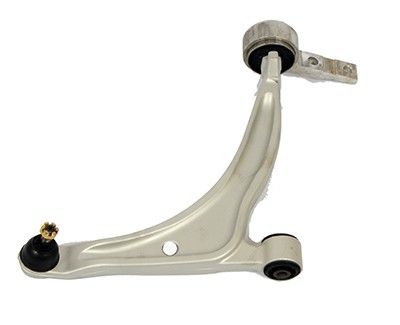
Pro Tip: For the 2001-2010 Maxima, the entire control arm assembly (with new bushings and a pre-installed ball joint) is the recommended replacement. It saves significant labor time compared to pressing old bushings out and new ones in.
How Much Does a Control Arm Replacement Cost?

The total cost will depend on the parts you choose and local labor rates. An alignment is also necessary after the job is done, which adds to the final cost.
| Part or Service | Estimated Cost |
|---|---|
| New Aftermarket Control Arm (Single) | $57 - $186 |
| New OEM Control Arm (Single) | $130 - $330 |
| Shop Labor (Per Side) | $170 - $250 |
| Total Professional Replacement (Per Side) | $432 - $658 |
Frequently Asked Questions

Do I need to replace control arms in pairs?
It is highly recommended. If one control arm has failed due to age and wear, the one on the other side is likely in similar condition. Replacing both at the same time saves you from having to do the job again soon and allows for a single, accurate wheel alignment.
Is a wheel alignment necessary after replacing a control arm?
Yes, absolutely. Replacing a control arm will always change the vehicle's wheel alignment. Driving without a proper alignment will cause poor handling and rapid, uneven tire wear.
What is the difference between the 2001-2003, 2004-2008, and 2009-2010 Maxima control arms?
These three year ranges represent different generations of the Maxima (5th, 6th, and 7th). The control arms are not interchangeable between them. Be sure to order the correct part for your specific model year. The 2009-2010 models also had a recall on the front strut insulators, which can cause similar symptoms to a bad control arm.
Can I just replace the bushings or ball joint?
While some aftermarket companies sell bushings separately, Nissan dealers typically only sell the complete control arm assembly. Pressing bushings in and out requires special tools and extra labor, which often makes replacing the entire pre-assembled arm a more cost-effective and simpler repair.
🎬 Watch: Step-by-step control arm replacement for 2004-2008 modelsHelpful Videos

Technical Specifications
OEM Part Numbers: 54501-7Y00A 54500-7Y00A 54501-9N00B 54500-9N00A
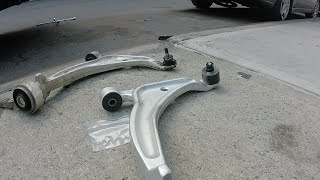
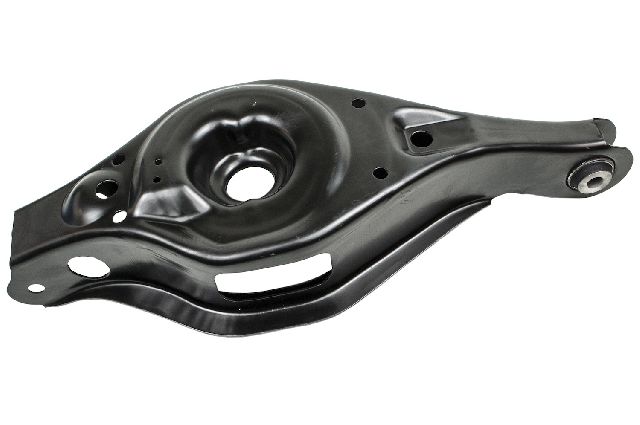
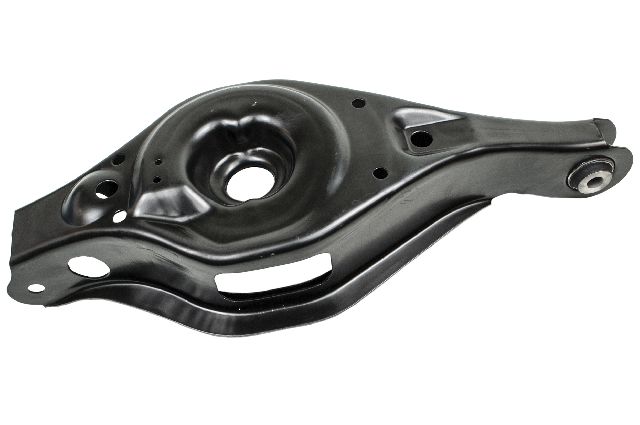
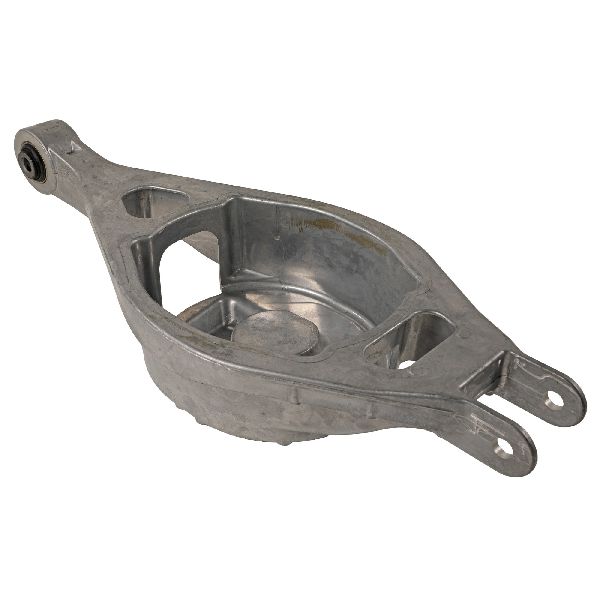
The front suspension on the 2001-2010 Nissan Maxima uses a lower control arm design. These arms are typically made of stamped steel or cast aluminum, depending on the generation. They connect to the subframe via two rubber bushings and to the steering knuckle via a single ball joint.
We Have This Part in Stock


The information in this article is provided for general reference and educational purposes only. Vehicle specifications, procedures, and part compatibility can vary by production date, trim level, and region. Always consult your vehicle's factory service manual and verify part numbers before purchasing or performing repairs. Safety-critical components such as airbags, seat belts, and braking systems should be installed by a qualified professional.
- Nissan Maxima:
- 🎬 Helpful Videos
- 🛍️ Shop This Part
- Is Your Maxima Making Noise? Recognizing a Failing Control Arm
- Known Issue: 2001-2002 Model Year Recall
- Common Symptoms of Failure:
- Choosing the Right Aftermarket Part for Your Maxima
- Brand Quality Tiers
- How Much Does a Control Arm Replacement Cost?
- Frequently Asked Questions
- 🎟️ Get 5% Off