

Engine Coolant Temperature Sensor Guide for 2001-2010 Toyota Sequoia
Understand the signs of a failing coolant sensor and how to choose the right aftermarket replacement for your V8 Sequoia.
- A bad ECT sensor can cause a Check Engine Light, poor fuel economy, overheating, and rough idling.
- For best results, choose an OEM-equivalent aftermarket brand like Denso, which is the original supplier for Toyota.
- Replacement is an easy DIY job, typically taking under 30 minutes with a 19mm deep socket.
- There are no recalls for this specific part on the 2001-2010 Sequoia; failures are due to age and wear.
Is Your Sequoia's Coolant Temp Sensor Failing?
A faulty Engine Coolant Temperature (ECT) sensor can cause a surprising number of problems that might not seem related at first. Because the sensor's reading affects so many engine functions, a bad signal can confuse your Sequoia's computer. This can lead to everything from bad gas mileage to serious overheating. Recognizing the symptoms early can save you from more expensive repairs down the road.
Common Symptoms of a Bad ECT Sensor:
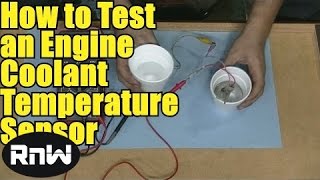
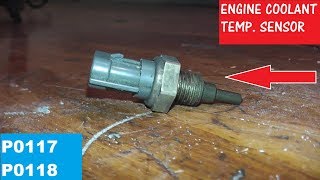
- Check Engine Light: This is often the first sign. The computer will log a fault code like P0115, P0117, or P0118. 🎬 Watch: How to test your sensor with a multimeter
- Poor Fuel Economy: If the sensor wrongly tells the computer the engine is cold, the computer will inject extra fuel, hurting your MPG.
- Black Smoke from Exhaust: A very rich fuel mixture from a bad sensor reading can result in unburned fuel smoking in the exhaust.
- Engine Overheating: A failed sensor might not signal the cooling fans to turn on, causing the engine to overheat, especially in traffic.
- Rough Idle: The wrong fuel and air mixture can make the engine run poorly or shake at idle.
- Erratic Temperature Gauge: The gauge on your dashboard might not move, or it could jump around unpredictably.
Choosing the Right Aftermarket Sensor
For a critical-but-simple part like the ECT sensor, you don't always need to buy the expensive OEM part from a Toyota dealer. High-quality aftermarket brands can offer the same performance for a fraction of the price. However, quality varies, so it's important to choose wisely.
Brand Quality Tiers for Toyota Sequoia
When shopping for a replacement, consider these brand tiers:
- Top Tier (OEM Supplier/Equivalent): Denso is a subsidiary of Toyota and is the original equipment manufacturer for many of their parts, including sensors. Choosing a Denso sensor is the closest you can get to the original part's quality and reliability. NGK/NTK is another top-tier Japanese brand known for excellent sensor quality.
- Reliable Aftermarket: Brands like Standard Ignition (SMP), Delphi, and Beck Arnley generally offer good quality. Beck Arnley often sources parts that match the original's form and function, though it's good to verify the specific part. These are solid choices that balance cost and reliability.
- Economy Options: Brands like URO Parts, Facet, and others in the lowest price range can be a gamble. While they are inexpensive, they may not have the same durability or precise temperature readings as higher-quality options, potentially leading to premature failure. For a part this critical to engine health, it's often worth spending a few extra dollars for a more reputable brand.
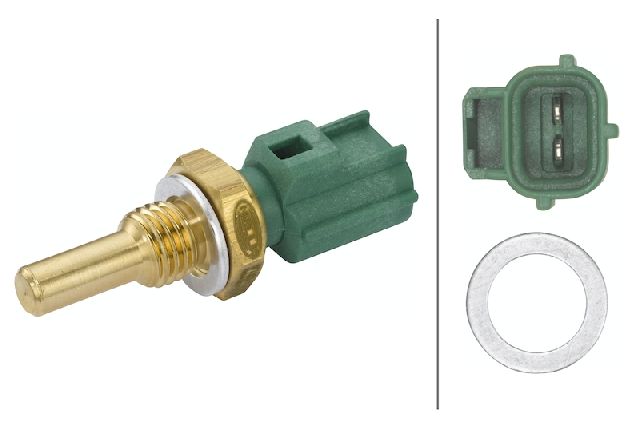
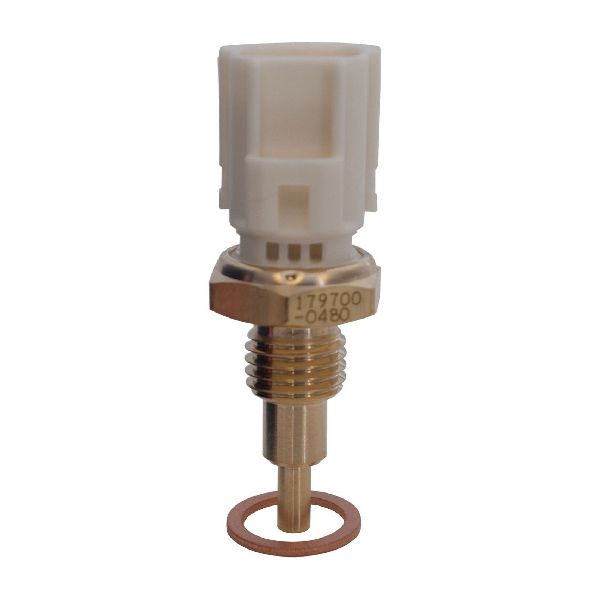
Pro Tip: The ECT sensor for the 2001-2010 Sequoia is a two-pin sensor that communicates with the engine computer. Don't confuse it with the single-wire temperature sender, which only operates the temperature gauge on the dashboard. The part you need for engine management issues is the two-wire sensor.
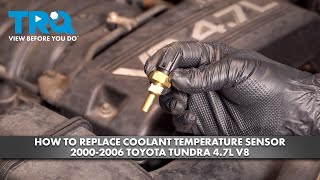
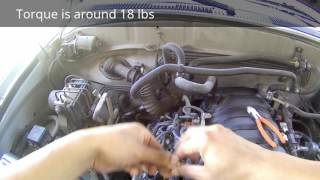
🎬 See a walkthrough of this sensor replacement on a SequoiaReplacement Cost for 2001-2010 Toyota Sequoia
The cost to replace the ECT sensor can vary significantly depending on whether you do it yourself or take it to a shop. The part itself is relatively inexpensive.
| Part/Service | Estimated Cost |
|---|---|
| New Aftermarket Sensor | $13 - $83 |
| New OEM Sensor | $70 - $98 |
| Shop Labor | $90 - $150 |
| DIY Total | $13 - $83 |
| Shop Total | $103 - $248 |
Cost estimates are approximate and can vary by location and supplier. The shop labor estimate is for this specific repair and does not include diagnostic fees.
Frequently Asked Questions
Where is the ECT sensor located on the 2001-2010 Sequoia?
On the 4.7L V8 (2UZ-FE) engine, the engine coolant temperature sensor is located on the front of the engine, under the throttle body area, threaded into the coolant crossover pipe. You will likely need to remove the plastic engine cover to see it. It's a small sensor with a two-wire electrical connector.
🎬 Watch this video to see the exact sensor locationIs this a difficult part to replace myself?
No, this is a very DIY-friendly job for most home mechanics. The replacement takes less than 30 minutes. You will need a 19mm deep socket, a ratchet, and possibly pliers. Some coolant will spill when you remove the old sensor, so have a drain pan ready. It's a good idea to replace it when the engine is cool to avoid burns.
Are there any recalls for the Sequoia's coolant sensor?
No, there are no specific recalls or technical service bulletins (TSBs) from Toyota or the NHTSA for the engine coolant temperature sensor on the 2001-2010 Toyota Sequoia. Recalls for this vehicle range typically involve airbags, accelerator pedals, or lighting.
Should I buy the cheapest sensor available?
It is not recommended. While the low price is tempting, economy sensors can fail prematurely or send inaccurate readings to the ECU. This can cause the same performance and fuel economy issues you were trying to fix. Sticking with a top-tier or reliable aftermarket brand like Denso, NGK, or Standard is a much safer investment for your Toyota's engine health.
Helpful Videos
Technical Specifications
OEM Part Numbers: 89422-35010 89422-20010
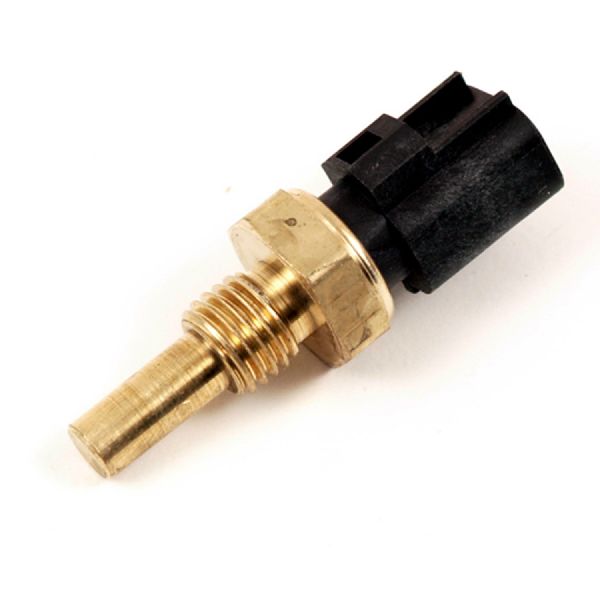
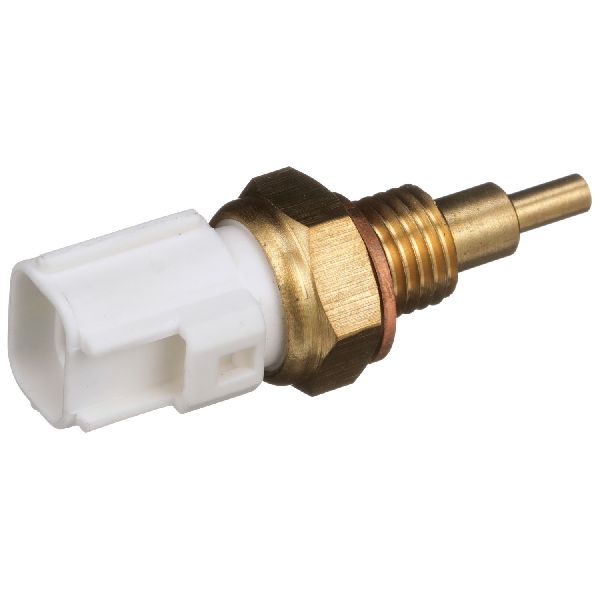
The sensor for the 2001-2010 Toyota Sequoia 4.7L V8 is a 2-pin thermistor type sensor. It typically requires a 19mm deep socket for removal and installation. It threads into the engine's coolant crossover pipe and includes a gasket or washer to ensure a proper seal.
We Have This Part in Stock


The information in this article is provided for general reference and educational purposes only. Vehicle specifications, procedures, and part compatibility can vary by production date, trim level, and region. Always consult your vehicle's factory service manual and verify part numbers before purchasing or performing repairs. Safety-critical components such as airbags, seat belts, and braking systems should be installed by a qualified professional.
- Toyota Sequoia: