

A Practical Guide to the 2001-2010 Volvo S60 Engine Coolant Temperature Sensor
Understanding this small sensor is key to fixing common performance, fuel economy, and starting issues on your S60.
- A faulty ECT sensor on your S60 will most likely cause a check engine light, poor fuel economy, and incorrect readings on the temperature gauge.
- Replacement is a simple, DIY-friendly task that takes less than an hour and requires basic tools.
- The sensor is located on the thermostat housing; it's wise to replace the thermostat at the same time to prevent future issues.
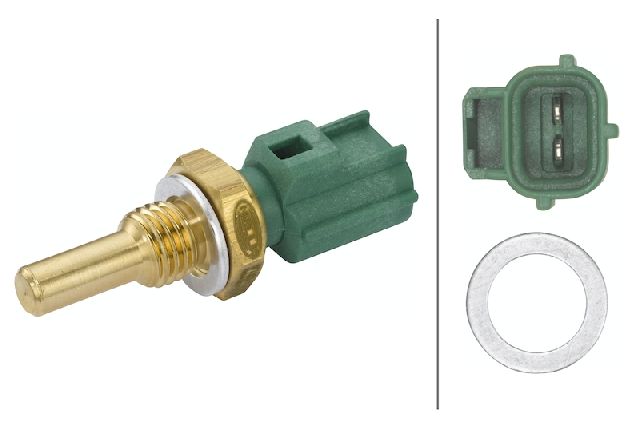
- While budget brands are available, choosing an OEM-supplier (like Hella) or a reputable aftermarket brand offers better reliability and peace of mind.
Symptoms of a Failing ECT Sensor

When the coolant temperature sensor on your S60 starts to fail, it can send incorrect signals to the engine's computer. This can cause a range of problems, from annoying to serious. You might notice one or more of the following issues:
🎬 Watch: How to diagnose a failing coolant temperature sensor- Check Engine Light: This is often the first sign. The computer will store fault codes like P0116, P0117, or P0118. 🎬 See this explanation of P0118 and other sensor codes
- Poor Fuel Economy: If the sensor incorrectly tells the computer the engine is cold, the computer will enrich the fuel mixture, wasting gas.
- Black Smoke from Exhaust: A very rich fuel mixture can result in unburned fuel exiting through the exhaust, creating black smoke.
- Hard Starting: The wrong temperature reading can make it difficult for the engine to start, especially when cold.
- Cooling Fans Run Constantly: As a fail-safe, the ECU may run the cooling fans all the time if it gets an illogical signal from the sensor.
- Inaccurate Temperature Gauge: The gauge on your dashboard may read too high, too low, or not move at all.
No Recalls, But A Known Issue
Searches of the National Highway Traffic Safety Administration (NHTSA) database show no specific recalls for the engine coolant temperature sensor on the 2001-2010 Volvo S60. However, a failing sensor is a commonly discussed issue in owner forums. Often, the problem is not the sensor itself but a thermostat that is stuck open, which prevents the engine from warming up properly and can trigger ECT sensor-related fault codes.
Choosing the Right Aftermarket Sensor

When replacing the ECT sensor, you have a choice between Genuine Volvo parts and a wide range of aftermarket options. For a critical sensor like this, quality matters.
Tier 1: OEM Supplier & Premium Aftermarket
These brands often manufacture the original parts for Volvo or are known for high-quality components that meet or exceed OEM specifications. They are the most reliable choice for a long-lasting repair. Brands like Hella, Vemo, and NGK fall into this category. Genuine Volvo parts are, of course, a guaranteed fit and quality, but at a higher price.
Tier 2: Standard Aftermarket
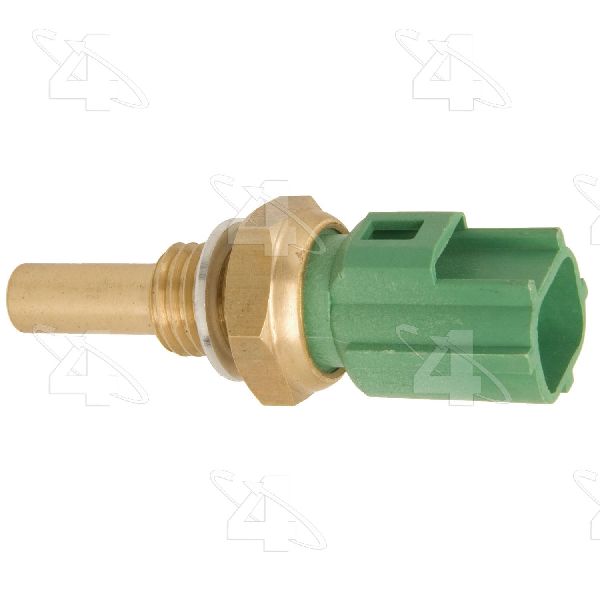
These brands offer a good balance of quality and value. They are a reliable choice for most repairs. This tier includes well-known names like Beck Arnley, Standard Ignition (SMP), and Four Seasons. They produce dependable parts that are widely used by professional shops.
Tier 3: Economy Brands
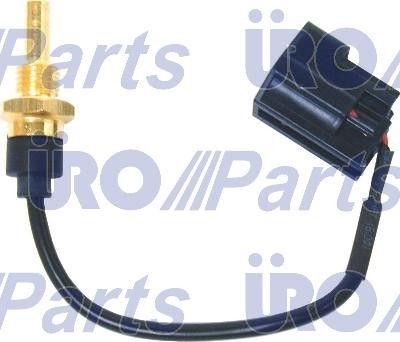
Brands like URO Parts, Motorad, and others often offer the lowest price. While tempting for a budget repair, forum discussions indicate that the quality of these parts can be inconsistent. Fitment issues or premature failure are sometimes reported. For a sensor that is relatively inexpensive and simple to replace, it is often worth spending a little more for a part from a higher tier to avoid doing the job twice.
Pro Tip: Replace the Thermostat at the Same Time
The ECT sensor is located right on the thermostat housing. Since a failing thermostat is a common cause of ECT codes and you'll have the cooling system open, it is highly recommended to replace the thermostat at the same time as the sensor. This can save you from future headaches.
Cost of Replacement
The cost to replace the ECT sensor is very reasonable, especially if you do it yourself.
| Part Type | Price Range |
|---|---|
| New Aftermarket Sensor | $11.55 - $67.99 |
| Genuine Volvo Sensor | $70 - $100 |
| Shop Labor | $100 - $180 |
Frequently Asked Questions (FAQ)

Where is the ECT sensor located on a 2001-2010 Volvo S60?
The sensor is threaded into the thermostat housing. This is located on the top of the engine, near where the large upper radiator hose connects to the engine block.
Can I replace the ECT sensor myself?
Yes, this is a very DIY-friendly job for most home mechanics. It requires basic tools like a socket set and pliers. You will need to remove the plastic engine cover to access it. A small amount of coolant will leak out when you unscrew the old sensor, so be prepared with a rag. The entire process typically takes less than an hour.
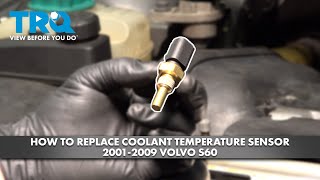
🎬 Watch: Step-by-step coolant temperature sensor replacement walkthroughWhat tools do I need for the replacement?
You will typically need a T30 Torx socket to remove the engine cover, a 19mm deep socket to unscrew the sensor, a ratchet with an extension, and possibly pliers to help disconnect the electrical connector.
What happens if I don't replace a bad ECT sensor?
Ignoring a faulty ECT sensor can lead to persistently poor fuel economy, failed emissions tests, and potential long-term engine performance issues. In rare cases, if the sensor fails to report an overheating condition, it could contribute to serious engine damage.
Helpful Videos



Technical Specifications
OEM Part Numbers: 9186486 30777334 8653103 9125463
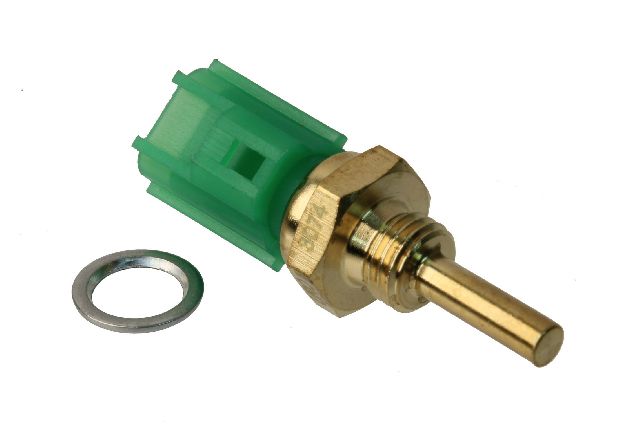
Threaded sensor with a 2-pin electrical connector. Located on the thermostat housing. Uses a 19mm deep socket for removal. Torque specification for installation is approximately 16 ft-lbs.
We Have This Part in Stock


The information in this article is provided for general reference and educational purposes only. Vehicle specifications, procedures, and part compatibility can vary by production date, trim level, and region. Always consult your vehicle's factory service manual and verify part numbers before purchasing or performing repairs. Safety-critical components such as airbags, seat belts, and braking systems should be installed by a qualified professional.
- Volvo S60: