

Volvo S60 Intercooler Hose Guide (2001-2010): Symptoms and Replacement
Experiencing a sudden loss of power in your turbocharged S60? A failing intercooler hose is a likely culprit.
- A sudden loss of power with a hissing sound is the most common sign of a failed intercooler hose.
- For a reliable repair, choose a quality aftermarket brand like Gates over budget options which have a poor reputation in the Volvo community.
- The replacement is a manageable DIY job for most owners with basic hand tools.
- When replacing, ensure the connections are clean and the hose clamps are tight to prevent the hose from blowing off.
Why Intercooler Hoses Fail on the S60
The rubber intercooler hoses on the P2 platform S60 live in a harsh environment. Over many years and miles, they are exposed to high temperatures, constant pressure changes, and oil vapor from the engine's crankcase ventilation system. This causes the rubber to degrade, becoming soft, swollen, or brittle. Eventually, the hose can crack, split, or even blow completely off its connection, causing an immediate and noticeable problem.
Symptoms of a Bad Intercooler Hose
A failed intercooler hose creates a boost leak, and the symptoms are usually not subtle. You will likely notice one or more of the following signs:
- Sudden Loss of Power: Your car will feel sluggish and slow to accelerate, as if the turbo has stopped working.
- Loud Hissing or "Whoosh" Sound: When you press the accelerator, you may hear a loud hissing noise from the engine bay as pressurized air escapes the leak.
- Black Smoke from Exhaust: With less air reaching the engine, the air-fuel mixture becomes too rich. This unburned fuel exits the tailpipe as black smoke, especially during acceleration.
- Check Engine Light: A significant boost leak will trigger the Check Engine Light. A common trouble code is P0299, which means "Turbocharger Underboost Condition". 🎬 See this breakdown of common causes for the P0299 code.
- Reduced Fuel Economy: An inefficient engine burns more fuel. A boost leak will cause a noticeable drop in your MPG.
Oil on Hoses
It is common to find some oil residue on and inside the intercooler hoses. This comes from the PCV (Positive Crankcase Ventilation) system and is normal for these engines. However, over time this oil contributes to the softening and degradation of the stock rubber hoses.
Choosing the Right Aftermarket Hose
When replacing a failed intercooler hose, you have several options. For a daily driver, a quality aftermarket hose is a cost-effective choice. Performance-oriented silicone hoses are an upgrade, but not necessary for most owners.
| Brand Tier | Brands | Assessment |
|---|---|---|
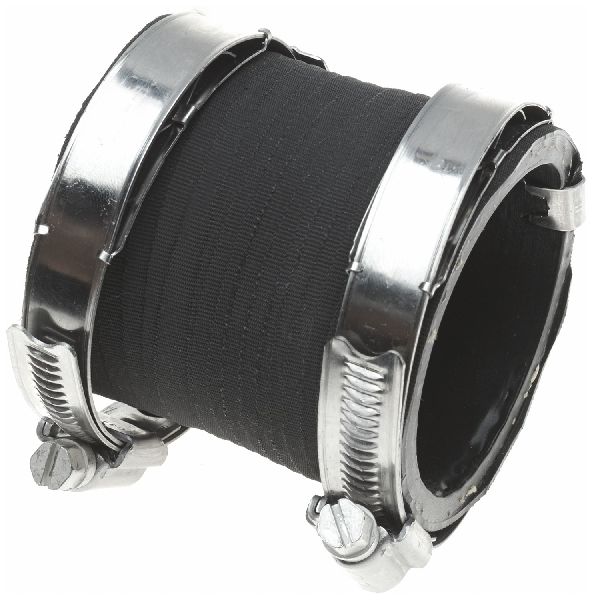
| Better Quality Aftermarket | Gates, Vaico | Brands like Gates have a strong reputation for making quality rubber products that meet or exceed OEM standards. They are a reliable choice for a direct replacement. Vaico is a German brand generally considered to be a solid mid-tier option. |
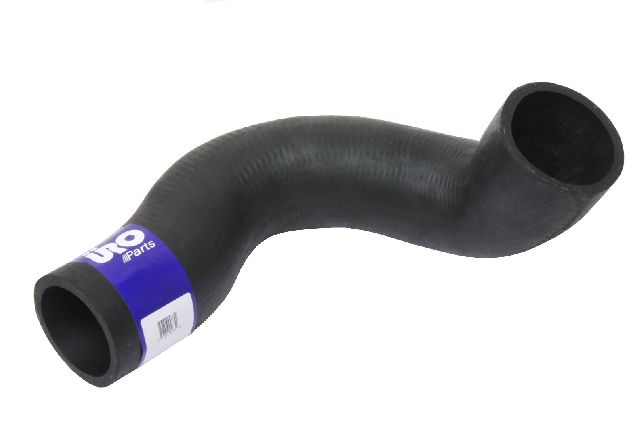
| Economy Aftermarket | URO Parts | URO Parts are known for their low prices. However, forum discussions among Volvo owners frequently mention issues with poor fitment and questionable durability for their rubber components, including hoses. While tempting for the price, using a budget hose may mean you'll be doing the job again sooner. |
| Performance Upgrade | do88, IPD | For enthusiasts, silicone hoses are a popular upgrade. They are more resistant to heat, pressure, and oil, and will not swell or degrade like rubber. These kits are significantly more expensive and are overkill for a stock vehicle. | 🎬 Watch: How to install a high-performance do88 intercooler kit.
Frequently Asked Questions (FAQ)
Are there any recalls for the 2001-2010 S60 intercooler hose?
No, there are no specific recalls or technical service bulletins (TSBs) from Volvo or the NHTSA for intercooler hose failures on the 2001-2010 S60.
Can I replace just the one broken hose?
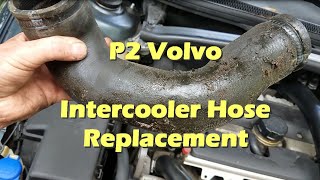
Yes, you can replace only the hose that has failed. However, since all the hoses are the same age and have been exposed to the same conditions, it's wise to inspect the others carefully. 🎬 Watch: Step-by-step guide to replacing your P2 intercooler hoses. If one has failed, the others may not be far behind.
Should I upgrade to silicone hoses?
For a standard, daily-driven S60, quality rubber hoses from a brand like Gates are perfectly adequate. Silicone hoses are a worthwhile upgrade if you have increased your engine's boost pressure or simply want the most durable, long-lasting option available.
Why did my new hose blow off?
If a hose blows off its connection, it's almost always due to an improperly tightened hose clamp or oil residue on the connection point preventing a good grip. When installing a new hose, make sure both the hose and the pipe it connects to are clean and dry. Tighten the hose clamps securely.
Helpful Videos



Technical Specifications
OEM Part Numbers: 30636784 31261372 30645293 31101214 30741795
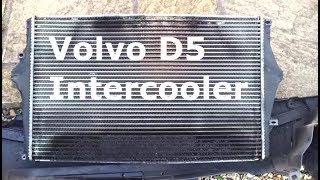
The system uses multiple molded rubber hoses made of materials like EPDM to connect the turbocharger, intercooler, and intake manifold. Hoses vary by engine type (e.g., 2.5T, T5, R) and location (hot side vs. cold side).
We Have This Part in Stock

The information in this article is provided for general reference and educational purposes only. Vehicle specifications, procedures, and part compatibility can vary by production date, trim level, and region. Always consult your vehicle's factory service manual and verify part numbers before purchasing or performing repairs. Safety-critical components such as airbags, seat belts, and braking systems should be installed by a qualified professional.
- Volvo S60: