

Choosing the Right Disc Brake Pad Set for Your 2001-2011 Audi S8
Stop dealing with excessive brake dust and find the perfect brake pads for your high-performance S8.
- OEM pads provide strong performance but create excessive brake dust; ceramic aftermarket pads are the most popular solution for this.
- The Audi S8 is a heavy, high-performance vehicle that is hard on brakes, leading to faster wear than average cars.
- When choosing aftermarket pads, decide between low-dust ceramic for daily driving (Akebono, Powerstop) or performance-focused pads for spirited driving (EBC, Hawk).
- Replacing rear pads on the D3 generation (2006-2010) requires a special diagnostic tool to retract the electronic parking brake.
Symptoms of Failing Brake Pads
Your S8 will give you clear signs when the brake pads need attention. Ignoring these can lead to more expensive repairs and unsafe driving conditions. Be aware of the following symptoms:
- Squealing or Grinding Noises: A high-pitched squeal when you brake is often the first sign, caused by the built-in wear indicator. A grinding noise means the pads are completely worn down, and you are hearing metal-on-metal, which can quickly destroy your brake rotors.
- Brake Warning Light: Your Audi is equipped with brake pad wear sensors. When the pads wear down to a certain point, a wire in the sensor is severed, triggering a warning light on your instrument cluster.
- Vibrations When Braking: If you feel a pulsation or vibration through the brake pedal or steering wheel, it could mean your brake rotors have been warped or damaged from worn-out pads.
- Longer Stopping Distances: If you notice the car takes longer to stop than it used to, your brake pads may have lost their effectiveness.
- Spongy or Soft Brake Pedal: A brake pedal that feels less responsive or goes down further than usual can indicate worn pads or issues with the brake fluid system.
A Note on Brake Dust
One of the most common complaints from Audi S8 owners is the immense amount of brake dust produced by the original equipment (OEM) pads. While these semi-metallic pads offer excellent stopping power and initial bite, they quickly coat your wheels in a dark, hard-to-clean layer of dust. This is normal for the stock pads but is a primary reason many owners switch to aftermarket ceramic options.
Choosing the Right Aftermarket Brake Pads for Your S8
Replacing your brake pads is an opportunity to either restore the original feel or tailor the braking characteristics to your preference. For the S8, pads generally fall into three categories. Note that the 2001-2003 (D2) and 2006-2010 (D3) models have different brake systems, so always verify fitment for your specific year.
Tier 1: OEM-Equivalent & Premium Street
These pads aim to replicate or slightly exceed the performance of the factory pads. They are a great choice if you are happy with the stock performance but want a more affordable price or a specific brand reputation. Many of these brands are original equipment suppliers to German automakers.
- Brembo: As an OEM supplier for many high-performance brake systems, Brembo pads are a trusted choice for restoring original performance. Some users have noted their ceramic pads can feel less aggressive on initial bite compared to OEM semi-metallics.
- Pagid & Textar: Both are well-regarded OEM suppliers for Audi. They provide a factory-like feel and performance. However, like the original pads, they can produce a significant amount of dust.
- ATE: Another German OEM supplier known for quality parts that restore original braking performance.
Tier 2: Low-Dust Ceramic & Daily Driving
This is the most popular category for S8 owners who want to solve the brake dust problem. Ceramic pads offer clean operation and quiet performance, but may have a slightly different pedal feel.
- Akebono: Frequently recommended by owners for their very low dust output and quiet operation. They are a top choice for daily driving, providing good stopping power without the constant need to clean your wheels.
- Powerstop: A popular choice that provides a significant reduction in brake dust compared to OEM pads. Owners report good stopping power and a more linear pedal feel, though with less initial bite than stock pads. They are often considered a great value.
- Centric Posi-Quiet / StopTech Street: These are often mentioned together as good, low-dust alternatives to stock pads.
- Wagner Brakes: A well-known aftermarket brand that offers ceramic options focused on quiet, clean braking for daily use.
Pro Tip: Bedding In Your New Brakes
Properly bedding in your new brake pads and rotors is crucial for performance and longevity. This process involves a series of controlled stops to deposit an even layer of friction material onto the rotor. Follow the manufacturer's specific break-in procedure to avoid glazing the pads and ensure quiet, smooth braking.
Tier 3: High-Performance & Aggressive Street
For the owner who drives their S8 more aggressively or participates in occasional track days. These pads offer higher temperature resistance at the cost of more noise, dust, and potentially faster rotor wear.
- EBC Brakes (Redstuff/Yellowstuff): EBC Redstuff pads are a popular ceramic-based performance upgrade, offering low dust and better bite than many standard ceramic pads, though they can be dusty during break-in. Yellowstuff pads are a step up for more aggressive street and light track use.
- Hawk Performance (HPS/Ceramic): Hawk HPS (High Performance Street) pads are known for increasing stopping power. Their ceramic pads are an option for those wanting less dust but still retaining a performance edge.
Known Issues & TSBs
No recalls were found for the 2001-2011 Audi S8 brake pads. However, Audi has released Technical Service Bulletins (TSBs) for later models regarding brake noise and vibration, indicating it's a known sensitivity for these heavy, high-performance vehicles. The most common issues reported by owners are the excessive dust from OEM pads and intermittent brake wear sensor faults, which can sometimes trigger a warning light even with new pads if the sensor wire is damaged or the connection is poor.
| Item | Estimated Cost |
|---|---|
| New Aftermarket Pad Set (Front or Rear) | $26 - $303 |
| New OEM Pad Set (Front or Rear) | $150 - $400+ |
| Shop Labor (Pads Only, Per Axle) | $150 - $300 |
Frequently Asked Questions
Why are my wheels always covered in black dust?
The original Audi brake pads are a semi-metallic compound designed for high performance. This material provides excellent stopping power but generates a large amount of dark dust as a byproduct. Switching to a quality ceramic aftermarket pad is the most effective solution.
Do I have to replace the brake wear sensor with the pads?
Yes. The wear sensor is a single-use item designed to be destroyed when the pads wear out. A new sensor is required to turn off the dashboard warning light. Most quality aftermarket pad sets include a new sensor.
What's the difference between ceramic and semi-metallic pads?
Semi-metallic pads (like OEM) use metal fibers, offering great heat dissipation and strong performance, but are noisy and dusty. Ceramic pads use dense ceramic fibers, making them much quieter and cleaner, which is why they are a popular upgrade for daily-driven S8s.
Can I install S8 brake pads myself?
While a brake job on the D2 S8 is relatively straightforward for an experienced DIYer, the D3 generation (2006-2010) features an Electronic Parking Brake (EPB). To replace the rear pads on a D3, you need a diagnostic tool (like VCDS/VAG-COM) to retract the electronic caliper pistons. Without this tool, you cannot perform the rear brake service. Front brakes on both generations do not require this tool but are still a job best left to those with mechanical experience.
Technical Specifications
The 2001-2011 Audi S8 uses a high-performance braking system with large rotors and calipers, often from Brembo. All models are equipped with electronic brake pad wear sensors on the front and rear axles. The D3 generation (2006-2010) features an Electronic Parking Brake (EPB) that requires a diagnostic tool for service.
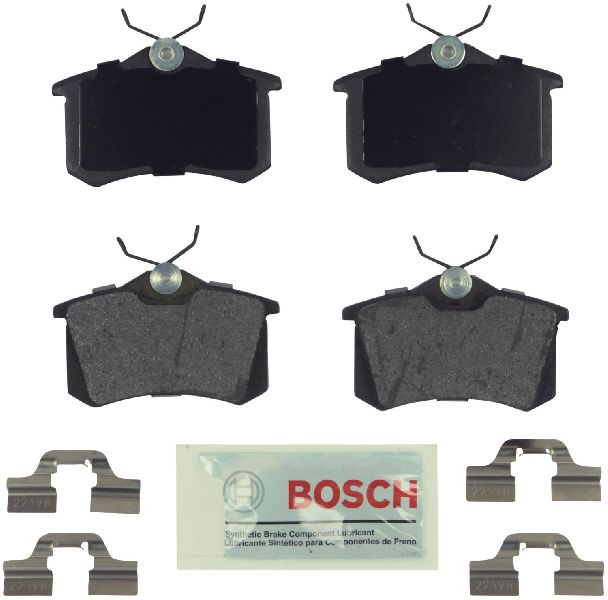
We Have This Part in Stock
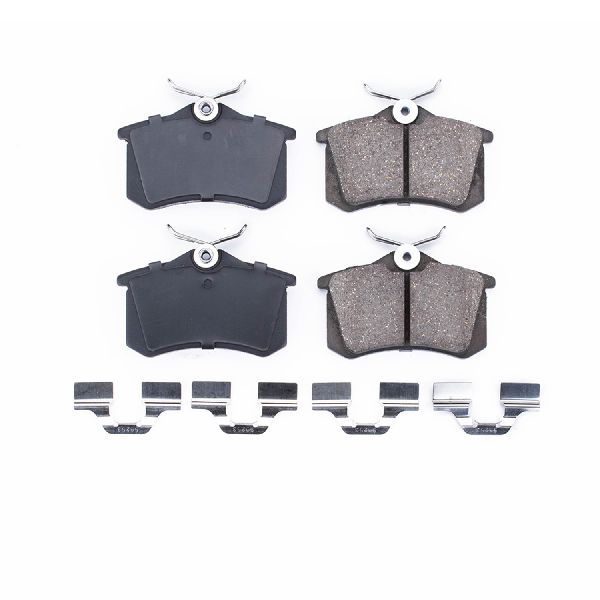
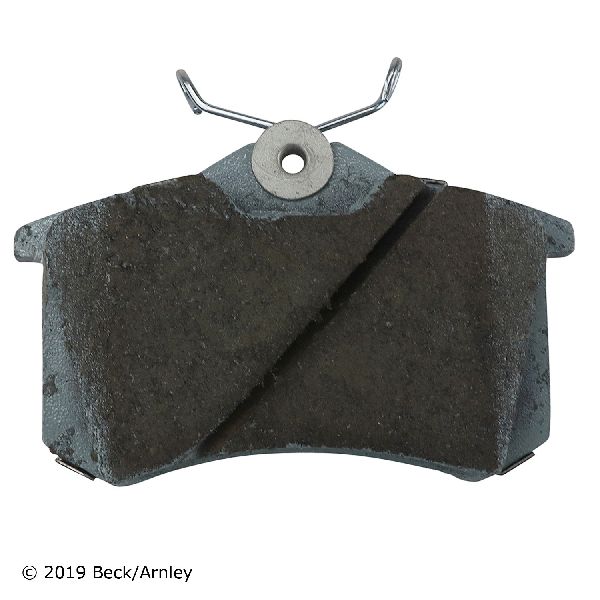
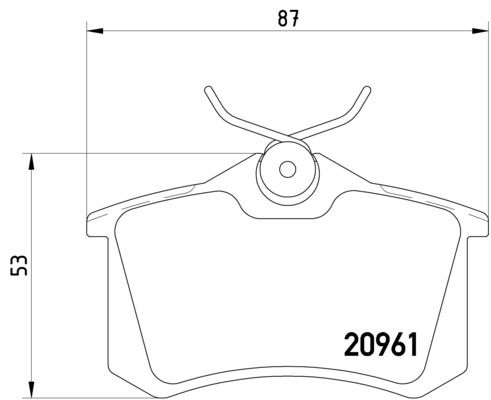
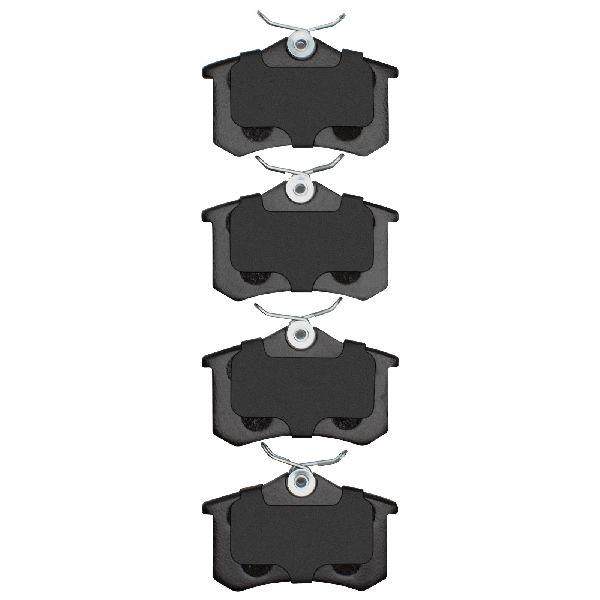


The information in this article is provided for general reference and educational purposes only. Vehicle specifications, procedures, and part compatibility can vary by production date, trim level, and region. Always consult your vehicle's factory service manual and verify part numbers before purchasing or performing repairs. Safety-critical components such as airbags, seat belts, and braking systems should be installed by a qualified professional.
- Audi S8:
- 🛍️ Shop This Part
- Symptoms of Failing Brake Pads
- A Note on Brake Dust
- Choosing the Right Aftermarket Brake Pads for Your S8
- Tier 1: OEM-Equivalent & Premium Street
- Tier 2: Low-Dust Ceramic & Daily Driving
- Pro Tip: Bedding In Your New Brakes
- Tier 3: High-Performance & Aggressive Street
- Known Issues & TSBs
- Frequently Asked Questions
- 🎟️ Get 5% Off