

Guide to Replacing the Engine VVT Solenoid on the 2001-2011 Audi S8
Address common VVT solenoid issues to keep your high-performance S8 V8 or V10 engine running at its peak.
- First, identify your engine: The 2001-2002 S8 has a 4.2L V8, while the 2006-2010 S8 has a 5.2L V10, each with different VVT system requirements.
- For the 5.2L V10, it is strongly recommended to replace all four VVT solenoids at once to ensure reliability and avoid repeat labor costs.
- Symptoms like a check engine light with camshaft position codes (P0010-P0015), rough idle, and engine rattle are strong indicators of a failing VVT solenoid.
- Using high-quality engine oil and maintaining regular oil change intervals is the best way to prevent premature VVT solenoid failure.
Understanding VVT Solenoids in Your Audi S8
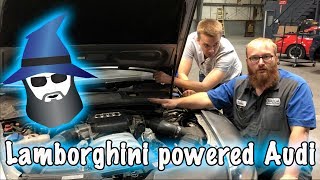
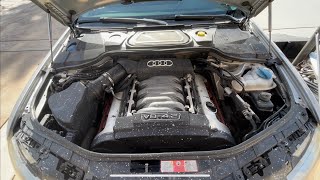
The 2001-2011 Audi S8 spans two very different generations, each with a unique, high-performance engine. It's crucial to identify which S8 you own before purchasing parts. The earlier D2 generation (2001-2002) uses a 4.2L V8 engine. 🎬 Watch: Step-by-step V8 cam actuator solenoid replacement guide. The later D3 generation (2006-2010) features a powerful 5.2L V10, an engine related to the one found in the Lamborghini Gallardo. 🎬 Watch: A mechanic repairs this Lamborghini-powered engine. Both engines rely on VVT solenoids to control their complex camshaft timing, but the systems, part numbers, and number of solenoids differ significantly.
Symptoms of a Failing VVT Solenoid
A bad VVT solenoid can disrupt engine timing and cause noticeable problems. Ignoring these signs can lead to reduced performance, poor fuel economy, and potentially more severe engine damage over time. Common symptoms include:
- Check Engine Light: This is often the first sign. The engine's computer will detect that camshaft timing is incorrect and store fault codes.
- Rough Idle or Stalling: The engine may run unevenly, shake, or even stall when stopped or at low speeds.
- Reduced Power and Acceleration: Your S8 may feel sluggish and less responsive than usual because the engine cannot adjust valve timing for optimal power.
- Increased Fuel Consumption: When valve timing is off, the engine's efficiency drops, causing it to use more fuel.
- Engine Noises: A rattling or ticking sound, especially at idle or on startup, can be caused by the VVT system struggling to operate correctly due to a faulty solenoid.
A Note on the 5.2L V10 Engine
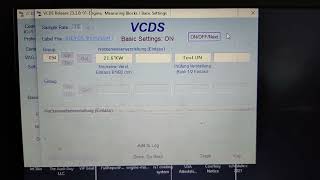
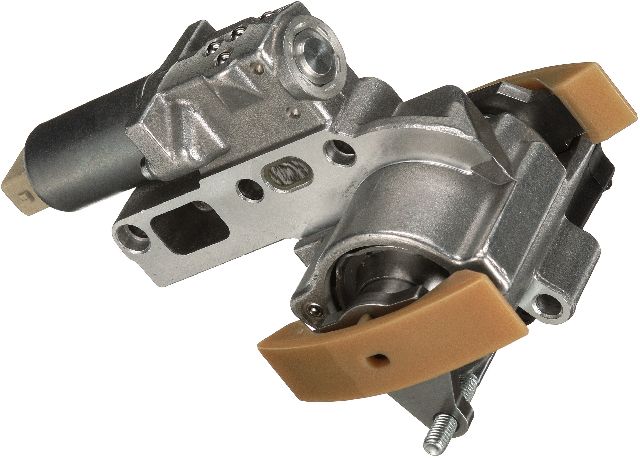
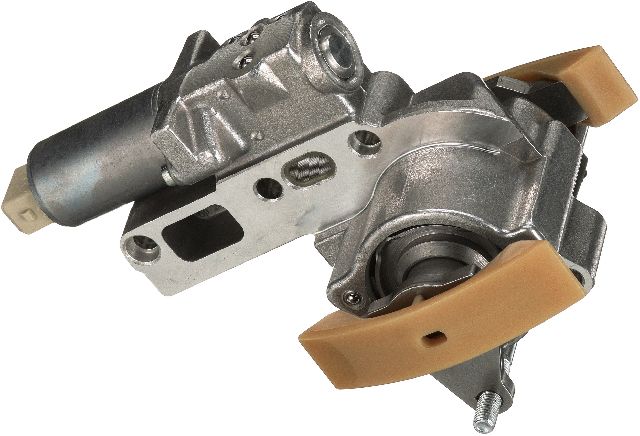
The D3 S8's V10 engine has four camshafts and four VVT solenoids (camshaft adjusters). 🎬 See how to verify V10 camshaft adjuster basic settings. When one fails, it is often recommended to replace all four as a set. This ensures consistent performance and can prevent another failure shortly after the first, saving you from repeated labor costs.
Choosing the Right Aftermarket VVT Solenoid
When replacing VVT solenoids, you have a choice between OEM and aftermarket parts. For a high-performance, complex vehicle like the S8, quality is paramount. Labor can be costly, so choosing a reliable part that won't fail prematurely is a smart investment.
- Premium Aftermarket (OEM-Equivalent): Brands like Vaico are often Original Equipment (OE) suppliers to German automakers and are a strong choice for reliability. Gates is also a well-respected brand in timing components.
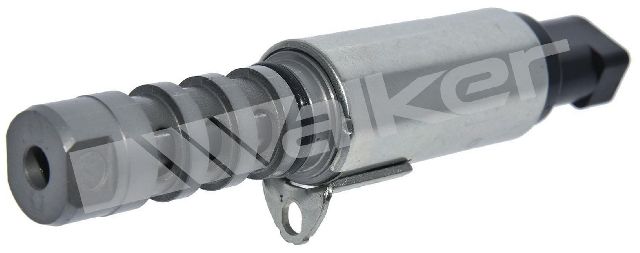
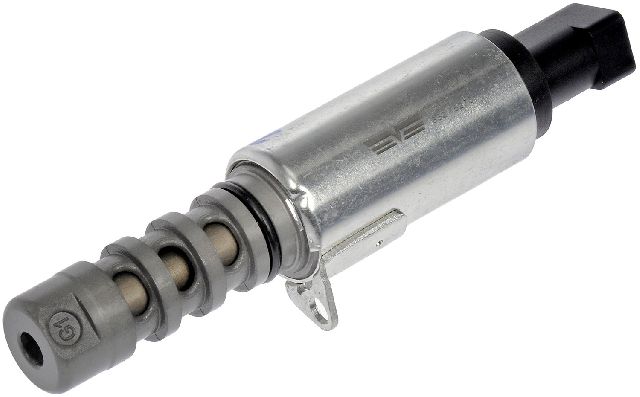
- Reliable Aftermarket: Dorman offers direct replacements that aim to match OE function and sometimes address original failure points. Brands like Holstein and Walker Products also provide broad coverage for European vehicles.
- Value-Oriented Brands: While more budget-friendly, brands with less of a track record on European performance cars should be considered with caution. A premature failure could lead to repeating the repair.
| Part Type | Estimated Cost (Per Solenoid) |
|---|---|
| New OEM | $280 - $410 |
| New Aftermarket | $83.72 - $1050.49 |
| Shop Labor | $229 - $335 |
Note: The wide aftermarket price range reflects the cost of a single solenoid versus a full kit of four for the V10 engine. Labor costs are estimates and can vary by location and the specific solenoid being replaced.
Frequently Asked Questions (FAQ)
How many VVT solenoids does my Audi S8 have?
The 2001-2002 D2 S8 with the 4.2L V8 typically has two VVT solenoids. The 2006-2010 D3 S8 with the 5.2L V10 has four VVT solenoids, one for each of its four camshafts.
Is a "camshaft adjuster magnet" the same as a VVT solenoid?
Yes. Audi and other German manufacturers often refer to the VVT solenoid as a "camshaft adjuster magnet" or simply a "control valve." They all refer to the same part that controls oil flow for camshaft timing adjustments.
Can I replace just one bad solenoid on my V10?
While you can replace just the single failed unit, it is highly recommended to replace all four solenoids on the 5.2L V10 engine at the same time. The solenoids are of the same age and have endured the same conditions. Replacing them as a set prevents the likelihood of another one failing soon after, which would require paying for the same labor-intensive job again.
What happens if I ignore a bad VVT solenoid?
Ignoring a failing VVT solenoid can lead to a consistent check engine light, failed emissions tests, poor fuel economy, and a frustrating lack of engine power. In the long term, incorrect timing can contribute to increased engine wear and potentially more severe damage to components like the timing chain or camshafts.
Are there any recalls for the Audi S8 VVT solenoid?
Our search did not find any specific NHTSA recalls for the VVT solenoids on the 2001-2011 Audi S8. However, there are Technical Service Bulletins (TSBs) for related issues like carbon buildup in the intake ports on TFSI engines, which can cause similar symptoms like rough idling. Always check for the latest TSBs with a dealer or qualified mechanic.
Helpful Videos

Technical Specifications
OEM Part Numbers: 06E109257P 06E109257J 06E109257F 07L109103B
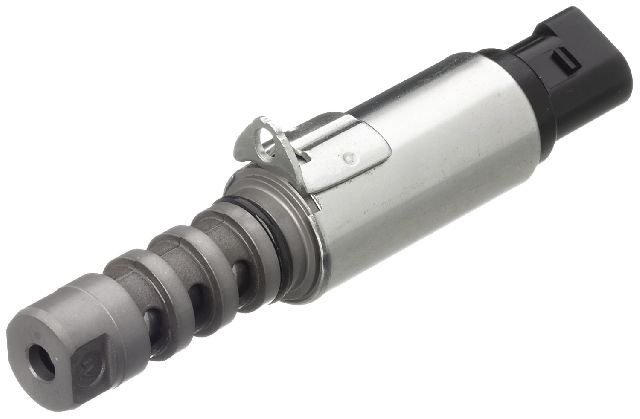
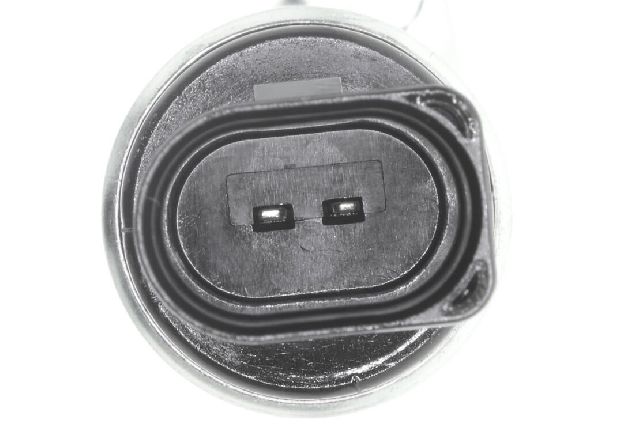
The VVT solenoid is an electromagnetic valve that controls oil flow. It typically has a 2-pin electrical connector and is sealed to the engine with O-rings. The 5.2L V10 engine uses four solenoids with a camshaft adjustment range of 42 degrees.
We Have This Part in Stock

The information in this article is provided for general reference and educational purposes only. Vehicle specifications, procedures, and part compatibility can vary by production date, trim level, and region. Always consult your vehicle's factory service manual and verify part numbers before purchasing or performing repairs. Safety-critical components such as airbags, seat belts, and braking systems should be installed by a qualified professional.
- Audi S8: