

Ford Crown Victoria Oxygen Sensor: A Guide for the 4.6L V8 (2001-2011)
Keep your Panther Platform running smoothly by understanding its oxygen sensors.
- Your Crown Victoria has four oxygen sensors; two upstream for fuel control and two downstream for catalyst monitoring.
- For best results, choose aftermarket brands known to be OEM suppliers for Ford, like NTK or Denso.
- A bad sensor will decrease fuel economy and can eventually damage your catalytic converters.
- Codes P0171 and P0174 are often caused by vacuum leaks, not bad O2 sensors. Investigate leaks first.
Symptoms of a Failing Oxygen Sensor

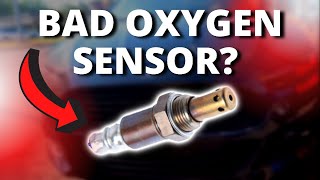
A bad oxygen sensor can cause several noticeable problems. The most common sign is the Check Engine Light illuminating on your dashboard. You might also experience a significant drop in fuel economy, a rough idle, or hesitation when you accelerate. In some cases, you may notice a smell like rotten eggs or sulfur from the exhaust, or even see black smoke. 🎬 Watch: A visual guide to common bad oxygen sensor symptoms Ignoring these symptoms can lead to more severe issues, including premature failure of your catalytic converters, which is a much more expensive repair.
Don't Ignore Lean Codes (P0171 & P0174)
If you get codes P0171 and P0174, it means the engine is running too lean (too much air, not enough fuel) on both banks. While a faulty oxygen sensor can be a cause, these codes are very often triggered by vacuum leaks from cracked hoses or a bad intake manifold gasket, or a dirty Mass Airflow (MAF) sensor. Always check for vacuum leaks and clean your MAF sensor before replacing the oxygen sensors for these specific codes.
Choosing the Right Aftermarket Oxygen Sensor

When it comes to sensors for your Crown Victoria, brand choice matters. While Motorcraft is the original Ford part, several aftermarket brands offer excellent quality, and some are even the original equipment manufacturer (OEM).
- Premium Tier (OEM or Equivalent): Brands like NGK/NTK and Denso are highly recommended by Crown Victoria owners. NTK is often cited as the original OEM supplier for Ford for these sensors. These brands are known for their reliability and direct-fit compatibility, ensuring they work correctly with the Ford ECU without issues.
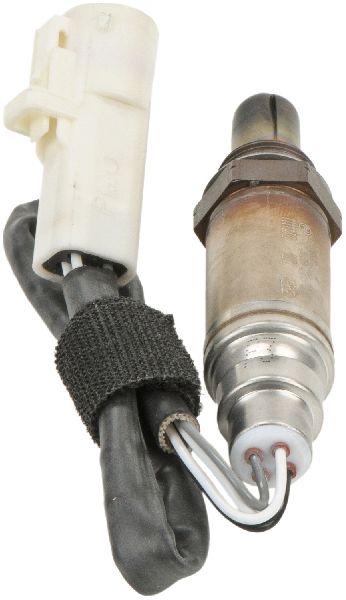
- Mid-Grade Tier: Bosch is a well-known brand that invented the oxygen sensor. However, some Ford owners report that Bosch sensors can sometimes have compatibility issues with Panther Platform vehicles that originally used NTK sensors, though many use them without problems. They are generally considered a reliable option but may not be the first choice for all owners.
- Economy Tier: Brands like DriveWire and Walker Products offer a more budget-friendly option. While they can work, their longevity and consistency may not match the premium brands. For a critical part like an oxygen sensor, many experienced owners recommend sticking with OEM-equivalent brands to avoid having to do the job twice.
Upstream vs. Downstream Sensors
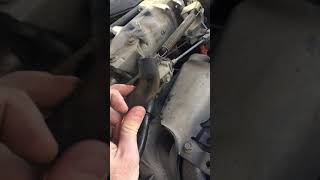
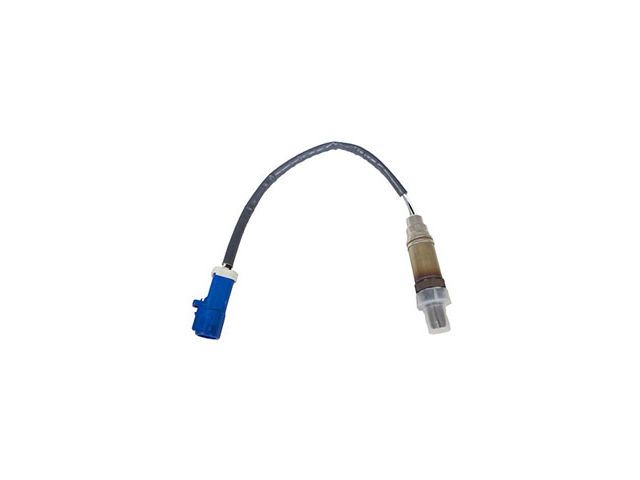
The upstream (before the converter) and downstream (after the converter) sensors are different parts, primarily due to wire length and sometimes the connector. Always verify you are buying the correct sensor for the specific location (e.g., Bank 1, Sensor 1). Many parts are sold as direct-fit with the correct wire length and connector, which is much easier than using a universal sensor that requires splicing wires.
Frequently Asked Questions


How many oxygen sensors does my 2001-2011 Crown Victoria have?
Your Crown Victoria is equipped with four oxygen sensors. There is one upstream (before the catalytic converter) and one downstream (after the catalytic converter) sensor for each of the two cylinder banks (Bank 1 is the passenger side, Bank 2 is the driver's side).
What tools do I need to replace an oxygen sensor?
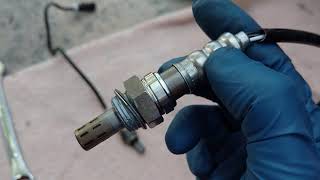
You will need a special oxygen sensor socket, which has a slot for the wire to pass through. You'll also need a ratchet, possibly with an extension or breaker bar for leverage. Applying penetrating oil to the old sensor's threads a day before you plan to do the work can make removal much easier, as they are often seized in the exhaust pipe. New sensors often come with anti-seize compound on the threads, which is crucial for future removal.
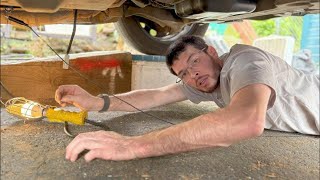
🎬 See this step-by-step Crown Victoria oxygen sensor replacement walkthroughShould I replace all four sensors at once?
It is not required, but it is often recommended. Oxygen sensors degrade over time. If one has failed due to age and high mileage, the others are likely not far behind. Replacing them in pairs (both upstream or both downstream) or all four at once can save you from having to do the same job again in a few months.
Are there any recalls for the oxygen sensors on my Crown Victoria?
A search of NHTSA records did not show any specific recalls for oxygen sensor failure on the 2001-2011 Ford Crown Victoria. Recalls are generally for safety-related defects, and while a bad O2 sensor affects performance and emissions, it is typically considered a maintenance or wear-and-tear item.
Helpful Videos
Technical Specifications
OEM Part Numbers: DY-1401
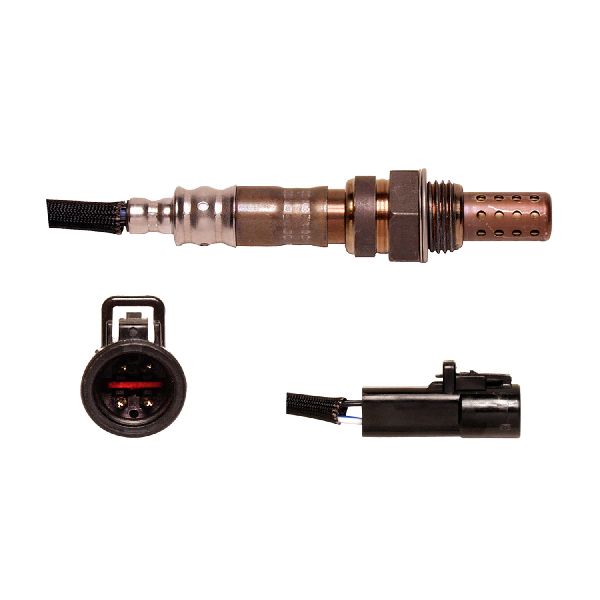
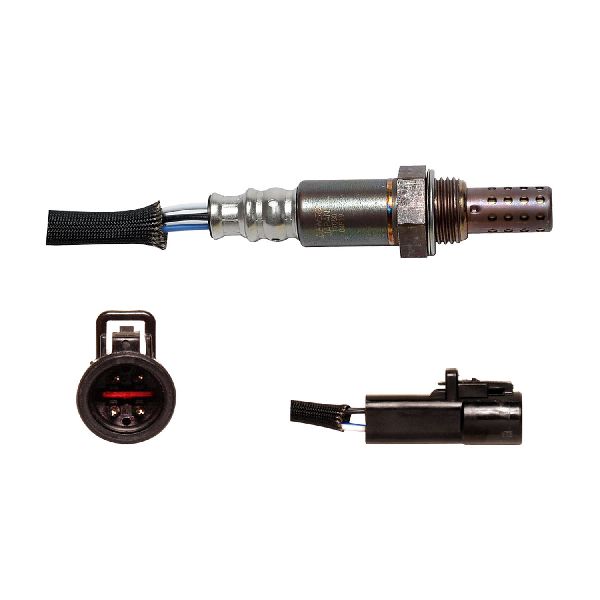
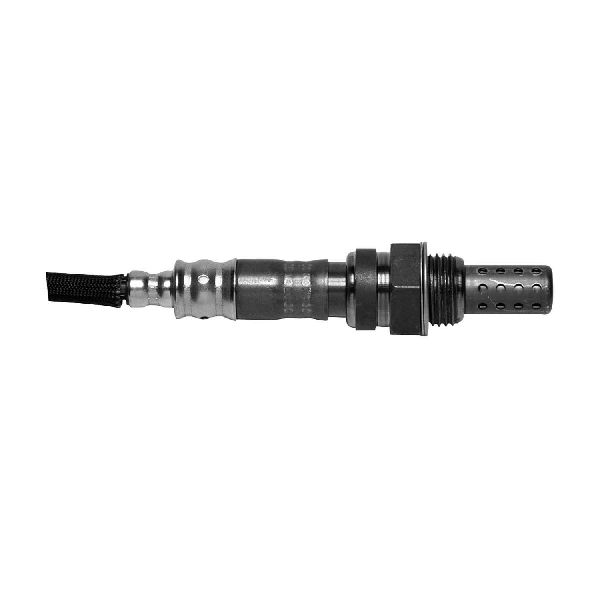
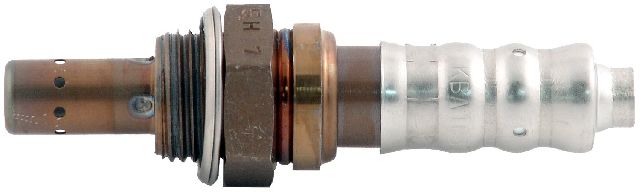
The 4.6L V8 engine uses four heated oxygen sensors. Two are located upstream in the exhaust manifolds, and two are located downstream after the catalytic converters. Wire length and connector types vary by position.
We Have This Part in Stock

The information in this article is provided for general reference and educational purposes only. Vehicle specifications, procedures, and part compatibility can vary by production date, trim level, and region. Always consult your vehicle's factory service manual and verify part numbers before purchasing or performing repairs. Safety-critical components such as airbags, seat belts, and braking systems should be installed by a qualified professional.
- Ford Crown Victoria: