

A Ford Escape Owner's Guide to Oxygen Sensor Replacement (2001-2011)
Fix your check engine light and poor gas mileage by understanding and choosing the right oxygen sensor for your Escape.
- Your Escape has either 2 (4-cyl) or 4 (V6) oxygen sensors; identify the correct one before buying.
- A check engine light for codes P0171 or P0420 doesn't always mean the O2 sensor is bad; investigate for vacuum or exhaust leaks first.
- For best results, use direct-fit sensors from OEM-equivalent brands like Bosch, Denso, or NTK.
- Use penetrating oil and a special O2 sensor socket to make removal easier and avoid damaging the exhaust.
Is Your Ford Escape's Oxygen Sensor Failing?

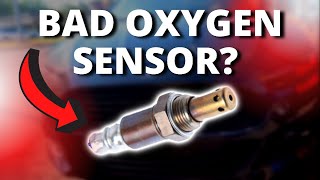
A bad oxygen sensor is a common problem that can cause a variety of issues. The most obvious sign is the check engine light on your dashboard. You might also notice your Escape is using more gas than usual, idling roughly, or hesitating when you accelerate. In some cases, you may even smell rotten eggs or see black smoke from the tailpipe. Ignoring these signs can lead to more serious and expensive repairs down the road, like a damaged catalytic converter.
🎬 Watch: Common symptoms of a failing oxygen sensorUnderstanding Your Escape's Check Engine Light
If your check engine light is on, the first step is to read the Diagnostic Trouble Code (DTC) with an OBD-II scanner. While some codes point directly to a bad sensor, others can be misleading.
- Codes P0171 & P0174 (System Too Lean): These are very common on Ford Escapes. They mean the engine is getting too much air or not enough fuel. While a faulty O2 sensor is a possible cause, the sensor is often just doing its job and reporting a problem like a vacuum leak from a cracked hose or a bad mass airflow sensor. Always check for vacuum leaks before replacing the O2 sensor for these codes. 🎬 See how to diagnose lean codes P0171 and P0174
- Codes P0420 & P0430 (Catalyst Efficiency Below Threshold): These codes usually mean the catalytic converter is failing. However, a bad downstream O2 sensor can also cause them. Since the sensor is much cheaper to replace than the converter, it's often a good idea to replace the downstream sensor first if it's old.
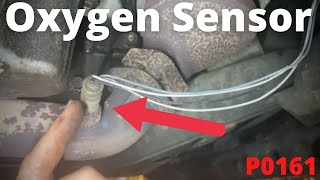
- Codes like P0138 or P0161: These codes point more directly to a problem with the O2 sensor's circuit or internal heater, making the sensor itself the most likely culprit.
How Many O2 Sensors Does My 2001-2011 Escape Have?

The number of sensors depends on your engine:
- V6 Engines (3.0L): These models have four oxygen sensors. There are two upstream sensors (one for each cylinder bank) and two downstream sensors (one for each catalytic converter).
- 4-Cylinder Engines (2.0L, 2.3L, 2.5L): These models have two oxygen sensors. There is one upstream sensor and one downstream sensor.
Pro Tip: Upstream vs. Downstream
Upstream sensors (Sensor 1) are located before the catalytic converter, often in the exhaust manifold. They have the biggest impact on fuel economy and engine performance. Downstream sensors (Sensor 2) are located after the catalytic converter and mainly monitor its health. They are different parts and are not interchangeable.
Choosing the Right Aftermarket Oxygen Sensor

For a critical part like an O2 sensor, brand quality matters. While OEM Motorcraft sensors are a safe bet, several aftermarket brands offer excellent quality, often for less money. It is highly recommended to use direct-fit sensors with the correct plug to avoid cutting and splicing wires.
Brand Quality Tiers
- Tier 1: OEM-Equivalent Quality: Brands like Bosch, Denso, and NGK (NTK) are top choices. These companies are often the original suppliers to automakers and are known for their reliability and precise fit. Spending a little more on one of these brands is a smart investment to avoid doing the job twice.
- Tier 2: Quality Aftermarket: Brands like Delphi and Walker Products offer a good balance of quality and value. They are generally reliable and a solid choice for most repairs.
- Tier 3: Budget-Friendly: Brands like DriveWire or other store brands can save you money upfront. However, be aware that some owners report a higher chance of premature failure or compatibility issues with budget sensors.
A Note on OEM vs. Aftermarket
For the 2001-2011 Ford Escape, sticking with the OEM (Motorcraft) or a Tier 1 aftermarket brand (Bosch, Denso, NTK) is strongly recommended by experienced mechanics and owners. These sensors are more likely to perform correctly and last longer, preventing frustrating repeat check engine lights.
Expected Costs for Oxygen Sensor Replacement

| Item | Estimated Cost |
|---|---|
| New OEM (Motorcraft) Sensor | $80 - $180 per sensor |
| New Aftermarket Sensor | $26 - $145 per sensor |
| Shop Labor | $75 - $200 per sensor |
Cost estimates are approximate and can vary based on your location, vehicle, and the specific sensor being replaced.
Frequently Asked Questions
Can I replace just one oxygen sensor?
Yes. You only need to replace the sensor that has failed. However, if your Escape has high mileage (over 100,000 miles), the other sensors may not be far from failing. Some owners choose to replace them in pairs (both upstream or both downstream) or all at once as preventative maintenance.
Which sensor is Bank 1 on my V6 Escape?
On the 3.0L V6 engine, Bank 1 is the cylinder bank located against the firewall (rear). Bank 2 is the cylinder bank closer to the radiator (front). So, "Bank 1, Sensor 2" is the downstream sensor on the firewall side.
Can I clean my oxygen sensor?
It is not recommended to clean an oxygen sensor. The sensing element is delicate, and cleaning chemicals can damage it permanently. Replacement is the only reliable solution for a failed sensor.
What tools do I need for the replacement?
You will need a special oxygen sensor socket (typically 22mm or 7/8 inch) that has a slot for the wire. A good penetrating oil is also essential to spray on the old sensor's threads before trying to remove it, as they are often rusted in place.
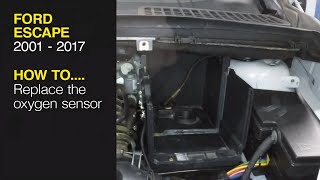
🎬 Watch this step-by-step guide to replacing your O2 sensorAre there any recalls for my Escape's oxygen sensors?
Based on searches of the NHTSA database, there are no specific safety recalls for oxygen sensor failure on the 2001-2011 Ford Escape.
Helpful Videos

Technical Specifications
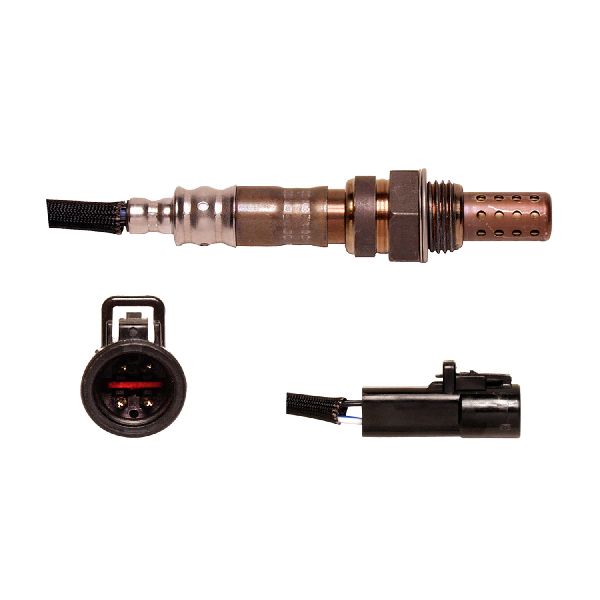
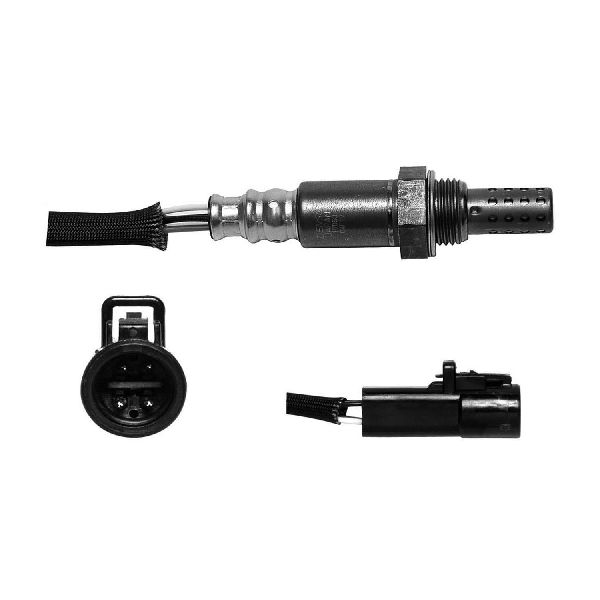
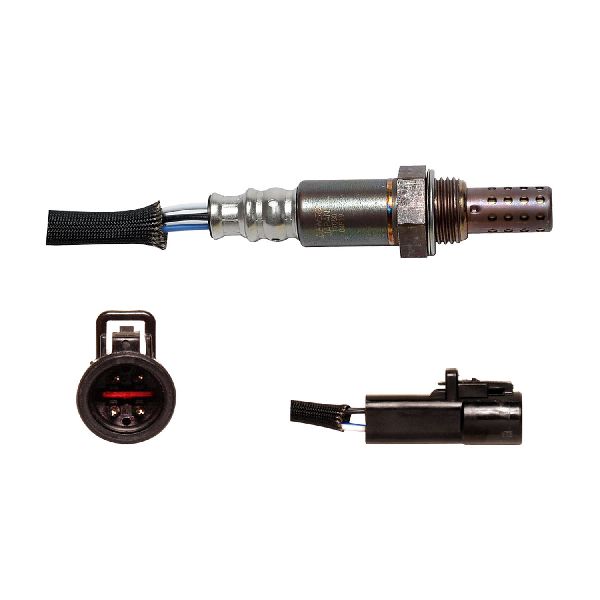
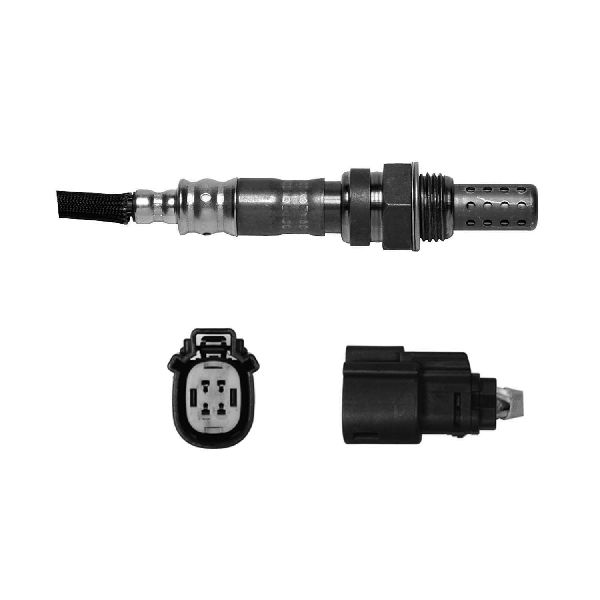
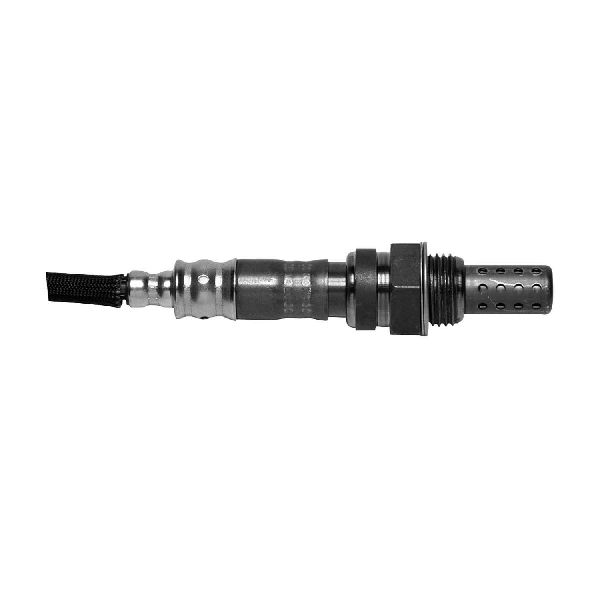
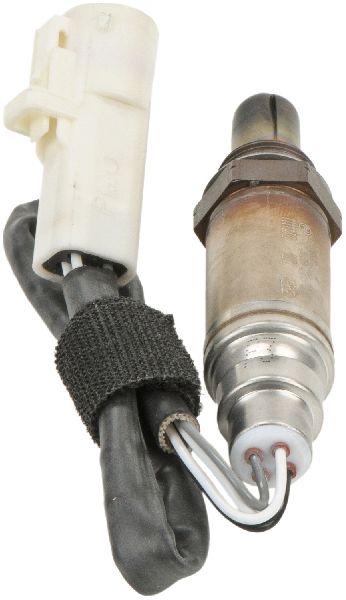
OEM Part Numbers: DY1093 DY1157 DY998 DY987
Number of sensors varies by engine: four for the 3.0L V6 and two for 4-cylinder models. Sensors are designated as upstream (before catalytic converter) or downstream (after catalytic converter) and are not interchangeable. A 22mm (7/8") oxygen sensor socket is required for removal and installation.
We Have This Part in Stock

The information in this article is provided for general reference and educational purposes only. Vehicle specifications, procedures, and part compatibility can vary by production date, trim level, and region. Always consult your vehicle's factory service manual and verify part numbers before purchasing or performing repairs. Safety-critical components such as airbags, seat belts, and braking systems should be installed by a qualified professional.
- Ford Escape:
- 🎬 Helpful Videos
- 🛍️ Shop This Part
- Is Your Ford Escape's Oxygen Sensor Failing?
- Understanding Your Escape's Check Engine Light
- How Many O2 Sensors Does My 2001-2011 Escape Have?
- Pro Tip: Upstream vs. Downstream
- Choosing the Right Aftermarket Oxygen Sensor
- Brand Quality Tiers
- A Note on OEM vs. Aftermarket
- Expected Costs for Oxygen Sensor Replacement
- Frequently Asked Questions
- 🎟️ Get 5% Off