

A Ford Explorer Owner's Guide to the A/C Clutch Cycle Switch (2001-2011)
If your Explorer's A/C isn't blowing cold, the clutch cycle switch could be the culprit.
- A faulty A/C clutch cycle switch is a common cause of A/C problems on the 2001-2011 Explorer.
- Symptoms include warm air, intermittent cooling, or the compressor not turning on.
- Replacement is a simple, 15-minute DIY job that does not require evacuating the A/C system.
- Before replacing, confirm the issue isn't low refrigerant or a different problem like a vacuum leak.
Is Your Explorer's A/C Acting Up? It Might Be This Small Switch.
If the air conditioning in your 2001-2011 Ford Explorer is blowing warm air or not working at all, a common and often overlooked failure point is the A/C clutch cycle switch. This small sensor acts as a safety guard for your A/C compressor, which is the heart of the system. Before you assume you need an expensive new compressor, it's worth checking this switch. It's a simple part that can cause major A/C headaches when it fails.
Symptoms of a Failing A/C Clutch Cycle Switch
When this switch starts to go bad, it usually doesn't happen silently. Your Explorer will give you a few clear signs that something is wrong with the A/C system. Paying attention to these symptoms can save you from more costly repairs down the road.
- A/C Blows Warm or Not Cold Enough: This is the most common sign. If the switch fails, it can't properly tell the compressor to turn on, so the refrigerant doesn't circulate to cool the air.
- A/C Works Intermittently: The switch might be failing, causing the compressor to cycle on and off at the wrong times. You might get cold air for a few minutes, then warm air, then cold again.
- Compressor Clutch Doesn't Engage: You can often hear a distinct 'click' from the engine bay when the A/C compressor engages. If you turn on the A/C and hear nothing, and the center part of the compressor pulley isn't spinning, the switch may not be sending the signal to engage.
- Compressor Runs Constantly: In some cases, the switch can fail in the 'on' position, causing the compressor to run all the time. This can lead to the evaporator freezing up and potential damage to the compressor.
Other Possible Issues
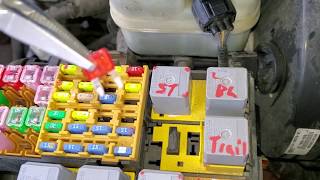
These symptoms can also be caused by other problems, like low refrigerant, a bad A/C relay, 🎬 See this breakdown of the Explorer A/C relay and circuits or a failed compressor clutch. On these Explorers, issues like a broken vacuum line can also cause air to blow only from the defrost vents, which can seem like an A/C problem. Always perform a full diagnosis before replacing parts.
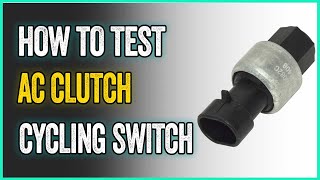
🎬 Watch: How to test your A/C clutch cycling switchChoosing the Right Aftermarket Switch: Brand Tiers
When shopping for a new A/C clutch cycle switch, you'll find a few options. Here’s an honest breakdown for your Explorer.
- Motorcraft (OEM): This is the original Ford part. It offers the best guarantee of fit and function right out of the box. While generally the most expensive option, forum users often note that for critical electronic parts, paying for OEM quality can prevent future headaches.
- Four Seasons: A very common aftermarket brand. Quality can be a mixed bag according to forum discussions. Some users report Four Seasons A/C components work great for years, while others consider them lower-tier. For a simple switch, it's often a budget-friendly and acceptable choice.
- Global Parts / Other Aftermarket Brands: These fall into a similar category as Four Seasons. They are typically re-boxed parts from various manufacturers. They can offer significant savings and often work just fine, but quality can be less consistent than OEM.
Pro Tip: For many Ford A/C components, the original manufacturer was Denso or another supplier who also sells the part under their own brand name. Sometimes, a Motorcraft part is simply a rebranded Four Seasons part. Check for matching casting marks if you can compare parts in person.
Typical Replacement Costs
The cost to replace the A/C clutch cycle switch is very reasonable, especially if you do it yourself. The part itself is inexpensive, and labor is minimal.
| Item | Estimated Cost |
|---|---|
| New Aftermarket Switch | $20 - $75 |
| New OEM (Motorcraft) Switch | $50 - $120 |
| Shop Labor | $50 - $125 |
| Total Professional Replacement | $70 - $245 |
Frequently Asked Questions (FAQ)
Do I need to drain the refrigerant to replace this switch?
No. On the 2001-2011 Ford Explorer, the A/C clutch cycle switch is mounted on a Schrader valve, similar to the valve on your tires. You can simply unscrew the old switch and screw on the new one without losing your refrigerant charge. A tiny puff of refrigerant may escape, which is normal.
Where is the A/C clutch cycle switch located on my Explorer?
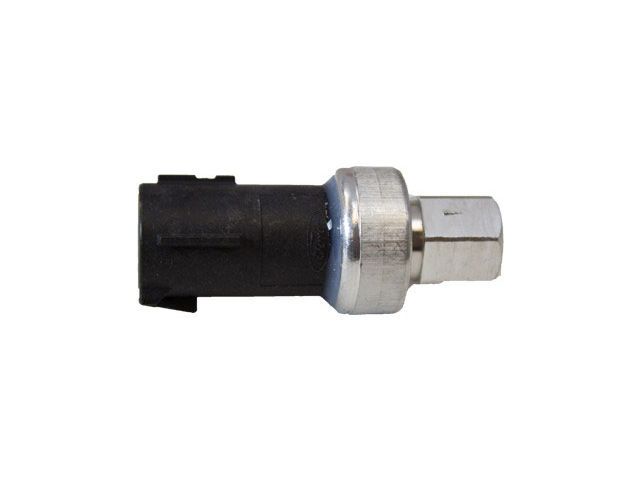
It is typically located on the A/C accumulator (a silver or black can-shaped component) on the low-pressure side of the A/C system. On most Explorers of this generation, you'll find it near the firewall on the passenger side of the engine bay.
Can I replace this part myself?
Yes, this is a very easy DIY job for most owners. It requires basic hand tools (usually an open-ended wrench), and the process involves disconnecting the electrical connector, unscrewing the old switch, and installing the new one. The entire job should take less than 15 minutes.
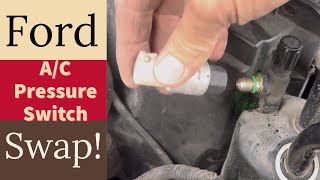
🎬 Watch this quick walkthrough of the pressure switch swapAre there any recalls for the A/C system on my 2001-2011 Explorer?
Searches of the NHTSA database did not show any specific recalls for the A/C clutch cycle switch or widespread A/C system failures for this generation of Ford Explorer. Most A/C issues on these vehicles are related to normal wear and tear of components over time.
Helpful Videos
Technical Specifications
OEM Part Numbers: F5VY-19E561-A
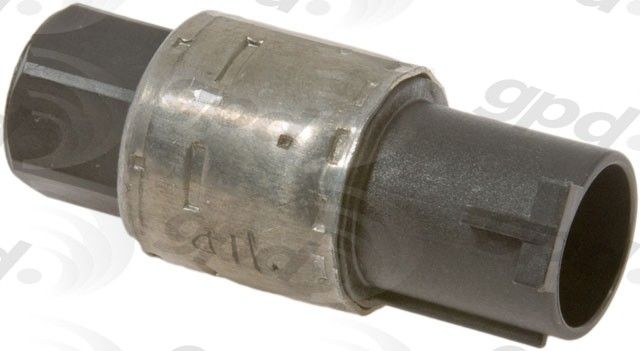
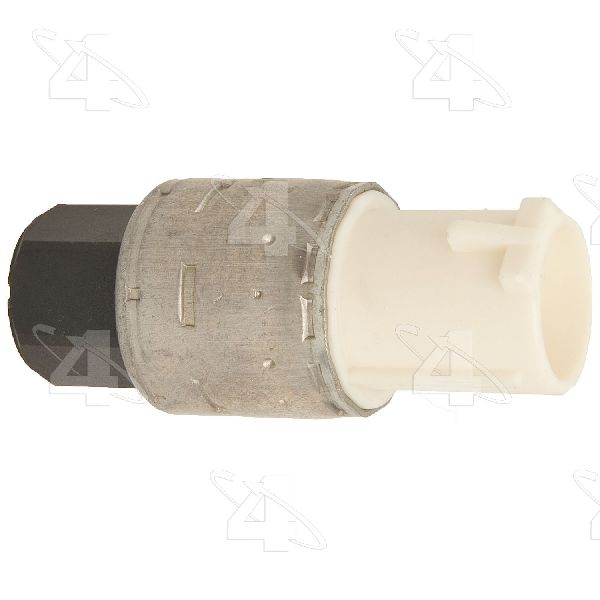
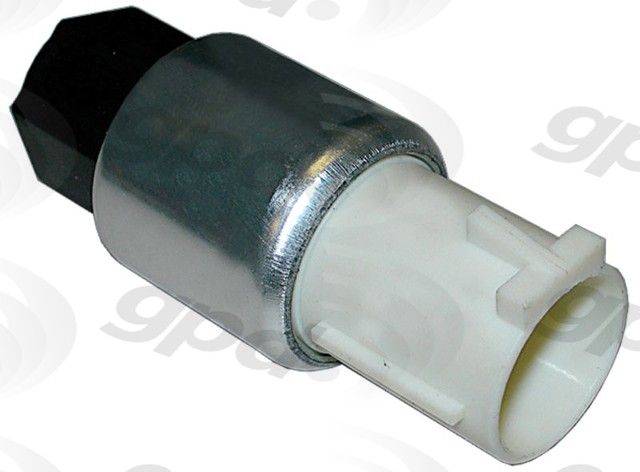
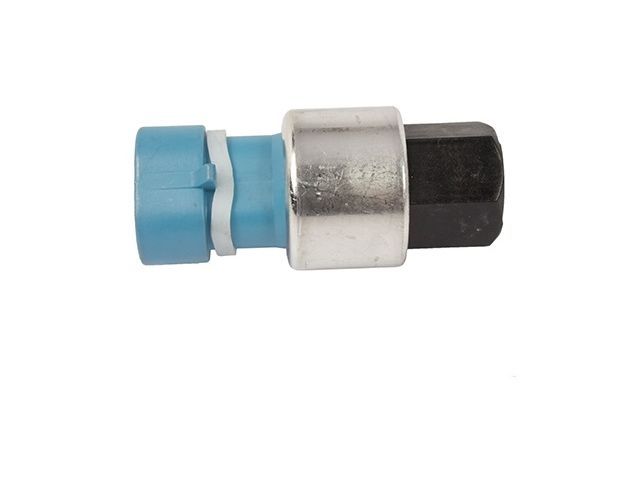
The switch is located on the low-pressure side of the A/C system, typically on the accumulator. It uses a Schrader valve fitting, allowing for replacement without system evacuation. It operates on the vehicle's 12V system and is compatible with R134a refrigerant.
We Have This Part in Stock


The information in this article is provided for general reference and educational purposes only. Vehicle specifications, procedures, and part compatibility can vary by production date, trim level, and region. Always consult your vehicle's factory service manual and verify part numbers before purchasing or performing repairs. Safety-critical components such as airbags, seat belts, and braking systems should be installed by a qualified professional.
- Ford Explorer: