

Ford Mustang Automatic Transmission Output Speed Sensor (2001-2011)
Solve erratic shifting and speedometer problems on your 2001-2011 Mustang by understanding the output shaft speed sensor.
- For 2005-2011 automatic Mustangs, the sensor is inside the transmission and is a complex, costly repair.
- Symptoms include harsh shifting, a dead speedometer, and a Check Engine Light with codes like P0720 or P0722.
- If your speedometer is erratic but the transmission shifts fine, suspect the gauge cluster, not the sensor.
- Motorcraft (OEM) and NTK (NGK) are highly recommended brands for this electronic part.
A Critical Sensor for Your Mustang's Transmission
If you own a 2001-2011 Ford Mustang with an automatic transmission, you might eventually face issues with the output shaft speed sensor (OSS). This sensor is a key part of what makes your transmission shift smoothly and your speedometer work correctly. When it fails, the symptoms are hard to ignore and can affect your car's drivability and safety. Understanding its function and the signs of failure can help you make an informed repair decision.
Critical Note for 2005-2011 Automatic Owners
For 2005-2011 Mustangs with the 5R55S automatic transmission, the output speed sensor is not a simple, externally mounted part like on earlier models. It is integrated into a component called the "molded lead frame," which is located inside the transmission oil pan and attached to the valve body. Replacing it is a much more complex job that requires draining the transmission fluid, dropping the pan, and often removing the valve body. This is not a simple one-bolt sensor swap.
Symptoms of a Failing Output Speed Sensor
When the OSS fails, your Mustang's computer loses crucial information, leading to several noticeable problems:
- Harsh or Erratic Shifting: This is the most common symptom for automatic transmissions. The transmission may bang into gear, shift at the wrong RPM, or feel like it's slipping. This happens because the computer doesn't know when to command a shift.
- Dead or Inaccurate Speedometer: The speedometer needle may jump around, show the wrong speed, or drop to zero and stay there.
- Check Engine Light: A failing OSS will almost always trigger a Check Engine Light. You'll likely see diagnostic trouble codes (DTCs) like P0720, P0721, or P0722.
- Cruise Control Inoperative: As a safety measure, the cruise control will not work if the computer isn't receiving a reliable speed signal.
Is It the Sensor or the Gauge Cluster?
For 2005-2009 S197 Mustang owners, a faulty instrument cluster stepper motor can cause the speedometer to act erratically, mimicking a sensor failure. If your speedometer is faulty but the transmission shifts perfectly fine, the gauge cluster itself is the more likely culprit. However, if you experience both an erratic speedometer and harsh shifting, the OSS (or the internal lead frame) is the primary suspect.
Choosing the Right Aftermarket Sensor
When replacing the OSS, you have a few brand choices. For Ford vehicles, the original equipment (OE) part is Motorcraft. Aftermarket options provide an alternative, often at a lower price.
- Motorcraft: As the OEM supplier, Motorcraft parts are a guaranteed fit and are designed to Ford's exact specifications. For critical electronic components, many mechanics and owners prefer to stick with Motorcraft to avoid potential compatibility issues.
- NGK/NTK: NGK (under their NTK brand for sensors) is a well-respected OEM supplier for many manufacturers. They are known for high-quality electronic components that meet or exceed OE specifications. Some sources even indicate NGK produces parts for Motorcraft, making them a very reliable aftermarket choice.
- Standard Ignition (SMP): Standard is a long-standing aftermarket brand that offers a wide range of parts. Their quality can be very good, but they sometimes act as a packager, meaning the part in the box could be from various sources. They are generally considered a reliable option but may not have the same consistent OE-supplier reputation as Motorcraft or NTK for this specific application.
| Part Type | Typical Cost |
|---|---|
| New OEM (Motorcraft) | $40 - $75 |
| New Aftermarket (NGK, Standard) | $28 - $42 |
| Shop Labor (External Sensor) | $80 - $150 |
| Shop Labor (Internal Lead Frame) | $300 - $600+ |
Frequently Asked Questions
Where is the output speed sensor located on my Mustang?
For 2001-2004 models with an automatic or manual transmission, the sensor is externally mounted on the driver's side of the transmission's tail-housing. For 2005-2011 models with a manual transmission, it's in a similar external location. For 2005-2011 models with the 5R55S automatic, the sensors are part of the molded lead frame inside the transmission oil pan.
Are the input and output speed sensors the same part?
For many 5R55S transmissions, the input (TSS) and output (OSS) sensors are physically identical and can be used in either position, though they are not interchangeable in function. However, it is always best to verify the part number for the specific location you are replacing.
Are there any recalls for this sensor on my Mustang?
There was a recall (NHTSA 12V190000) for a faulty Transmission Range Sensor on some 2012-2013 Mustangs, which is outside the 2001-2011 range. No specific recalls for the output shaft speed sensor were found for the 2001-2011 model years. Other transmission-related recalls for Mustangs were for different model years or manual transmissions.
What happens if I don't replace a bad speed sensor?
Continuing to drive with a bad OSS is not recommended. The harsh, incorrect shifting can cause excessive wear and tear on your transmission's internal components, leading to much more expensive repairs. Additionally, having an inoperative speedometer is a safety risk.
Technical Specifications
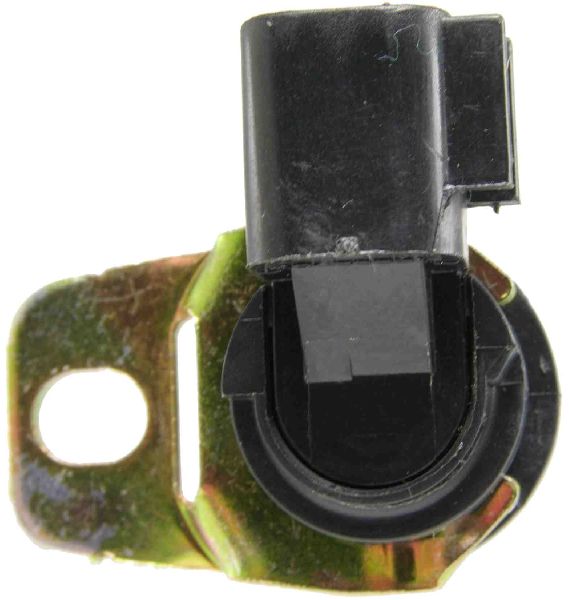
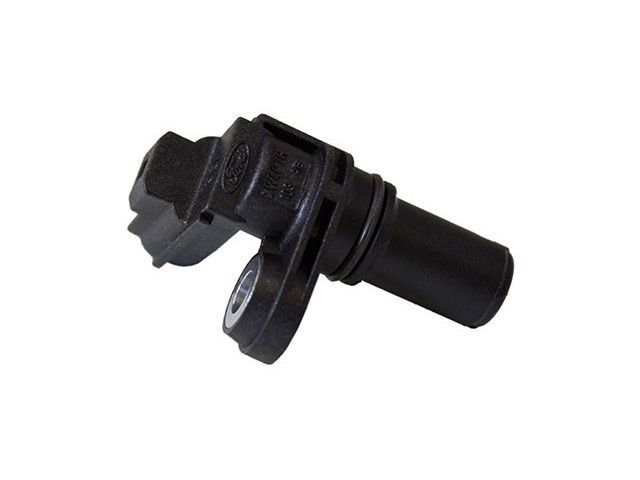
OEM Part Numbers: XW4Z7H103AA DY1209 BR3Z-7H103-A
For 2001-2004 models and 2005-2010 models with the 5R55S automatic transmission. The sensor measures the rotation of the transmission output shaft. On 2005-2010 automatics, this function is integrated into the internal molded lead frame.
We Have This Part in Stock


The information in this article is provided for general reference and educational purposes only. Vehicle specifications, procedures, and part compatibility can vary by production date, trim level, and region. Always consult your vehicle's factory service manual and verify part numbers before purchasing or performing repairs. Safety-critical components such as airbags, seat belts, and braking systems should be installed by a qualified professional.
- Ford Mustang: