

Ford Ranger Exhaust Manifold Hardware Guide (2001-2011)
Everything you need to know before replacing the exhaust manifold studs and nuts on your 2001-2011 Ford Ranger.
- Broken studs are the main problem, and their removal is the hardest part of the job.
- Always replace the hardware with a new kit and install a new manifold gasket at the same time.
- Symptoms include a ticking noise when cold, exhaust smells, and reduced performance.
- Fel-Pro is a preferred brand due to its anti-corrosion coatings, which can simplify installation and future service.
Why Exhaust Hardware Fails on the Ford Ranger
The original factory hardware on 2001-2011 Ford Rangers is prone to failure. The constant exposure to extreme heat cycles and moisture causes the steel studs and nuts to rust, weaken, and eventually break. This is a very common issue, especially for the 3.0L V6 engine. When a stud breaks, it creates a gap between the manifold and the engine, resulting in an exhaust leak.
The Biggest Challenge: Broken Studs
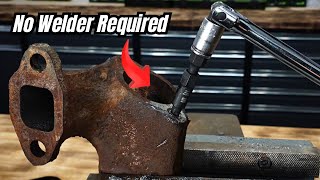
The most difficult part of this job is not replacing the hardware itself, but removing the old, broken studs from the cylinder head. They often snap off flush with the head, requiring special tools, heat, and a lot of patience to extract without damaging the engine. 🎬 See how to extract a stud broken flush with the head. This is what turns a simple repair into a much more complex and time-consuming job.
Symptoms of Failing Hardware
A leak caused by broken hardware is usually easy to diagnose. Look for these signs:
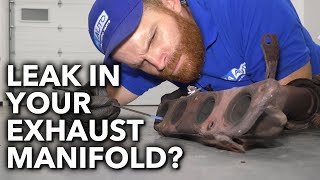
🎬 Watch: How to diagnose a ticking noise or exhaust smell.- Ticking or Tapping Noise: The most common symptom is a distinct ticking sound from the engine bay, especially when the engine is cold. The noise may quiet down as the engine warms up and the metal expands, temporarily sealing the leak.
- Exhaust Smell: You may smell raw exhaust fumes in the engine bay or even inside the cab. This can be dangerous, as it may contain odorless carbon monoxide.
- Reduced Power and Fuel Economy: A leak can trick your oxygen sensors, causing the engine to run poorly and use more fuel.
- Visible Soot: You might see black soot or charring on the cylinder head around the leaking manifold.
Choosing the Right Aftermarket Hardware Kit
When replacing your hardware, you have a choice between a few aftermarket brands. OEM hardware from Ford is an option, but aftermarket kits often provide excellent quality for less money.
Brand Quality Tiers for Ford Ranger:
- Good Tier - Motormite (Dorman): Dorman is a well-known aftermarket brand that produces a wide range of parts. Their hardware kits are a direct replacement for the original parts and are a reliable, budget-friendly solution. However, some users in forums have noted that the thread quality on Dorman studs can sometimes be inconsistent.
- Better Tier - Fel-Pro: Fel-Pro is highly regarded for its sealing products, and their hardware kits are no exception. They often feature a proprietary anti-corrosion coating that helps with installation and future removal. Given the high-heat, high-stress environment, a quality coated fastener is a smart investment to prevent future headaches.
Pro Tip: Regardless of the brand you choose, always apply a high-temperature anti-seize compound to the threads of the new studs before installation. This will make future removal much easier and help prevent the new hardware from seizing in the cylinder head.
Cost of Replacing Exhaust Manifold Hardware
The cost depends heavily on whether you do it yourself or hire a shop. The biggest variable is labor, which can increase significantly if studs break off and require extraction.
| Part/Service | Estimated Cost |
|---|---|
| New Aftermarket Hardware Kit | $21.40 - $45.36 |
| Shop Labor (Gasket & Hardware Replacement) | $253 - $372 |
| Shop Labor (Manifold, Gasket & Hardware) | $253 - $371 |
Note: Labor costs are estimates and do not include the price of parts or potential extra charges for extracting broken studs.
Frequently Asked Questions (FAQ)
Are there any recalls for the 2001-2011 Ranger exhaust manifold?
No. Searches of the National Highway Traffic Safety Administration (NHTSA) database did not find any recalls or specific Technical Service Bulletins (TSBs) related to the exhaust manifold or its hardware for the 2001-2011 Ford Ranger. Recalls found for this vehicle range were primarily for airbag inflators.
Should I replace the manifold gasket at the same time?
Yes, absolutely. You have to remove the manifold to access the hardware, so you should always install a new gasket. It's a small additional cost that ensures a proper, long-lasting seal.
🎬 Watch this step-by-step Ford Ranger manifold and gasket replacement guide.Can I reuse the old nuts and studs?
No. The old hardware has been weakened by countless heat cycles and corrosion. Attempting to reuse it will likely lead to another failure. New hardware is inexpensive and essential for a reliable repair.
What's the difference between studs and bolts?
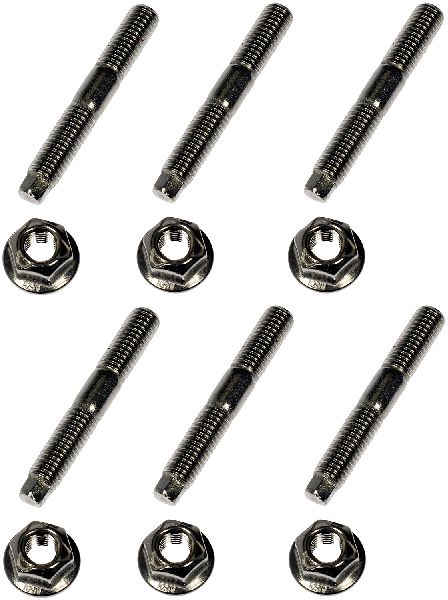
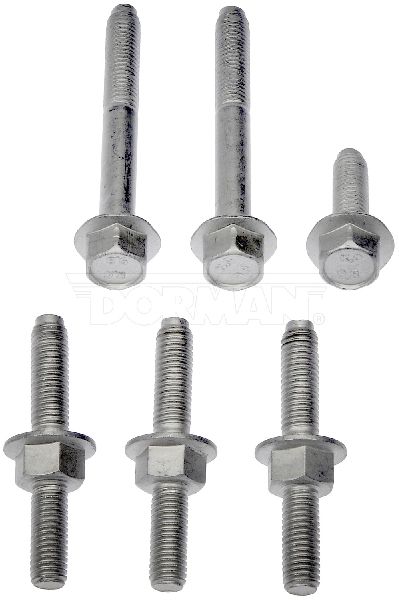
The original Ford hardware often uses studs with integrated nuts. Aftermarket kits typically use separate studs and nuts. Some owners choose to replace the studs with high-quality stainless steel bolts, but you must ensure they are the correct length and thread pitch (M8x1.25 for many Ranger engines). Using anti-seize is critical if using stainless bolts in an aluminum head to prevent seizing.
Helpful Videos
Technical Specifications
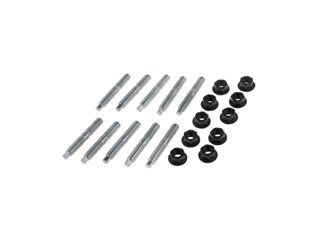
Common hardware size for many Ranger engines is M8x1.25 thread pitch for the studs. Kits typically include 10 studs and 10 nuts to service one manifold.
We Have This Part in Stock

The information in this article is provided for general reference and educational purposes only. Vehicle specifications, procedures, and part compatibility can vary by production date, trim level, and region. Always consult your vehicle's factory service manual and verify part numbers before purchasing or performing repairs. Safety-critical components such as airbags, seat belts, and braking systems should be installed by a qualified professional.
- Ford Ranger: