

Ford Ranger Radiator Coolant Hose: A Guide for 2001-2011 Models
Keep your Ranger's engine from overheating by learning the signs of a failing radiator hose.
- Inspect your radiator hoses regularly for cracks, bulges, or soft spots, especially during oil changes.
- If you own a 4.0L V6 Ranger, be aware that a leaking plastic thermostat housing is very common and can be mistaken for a hose leak.
- It is best practice to replace both the upper and lower radiator hoses at the same time.
- Quality aftermarket brands like Gates, Dayco, and Continental are reliable and cost-effective alternatives to OEM parts.
Is Your Ranger's Radiator Hose Failing?


A bad radiator hose is a common issue on any vehicle as it ages. For the 2001-2011 Ford Ranger, the signs are straightforward. Ignoring them can lead to a sudden breakdown and a much more expensive repair bill. Look for these symptoms:
- Coolant Leaks: This is the most obvious sign. You may see puddles of green, yellow, or pinkish fluid under the front of your truck. The coolant has a distinct sweet smell. You might also see dried, crusty residue around the hose connections.
- Engine Overheating: If your temperature gauge is climbing into the red or the coolant warning light comes on, a hose could be to blame. A lack of coolant circulation will cause the engine to overheat quickly.
- Visible Hose Damage: Pop the hood and inspect the hoses when the engine is cool. Look for bulges, cracks, or swelling. If a hose feels mushy, spongy, or excessively hard and brittle, it is failing internally and needs to be replaced.
- Collapsed Hose: A hose that looks flattened or sucked inward when the engine is cool is a sign of a vacuum problem in the cooling system, often caused by a bad radiator cap or a weak, failing hose.
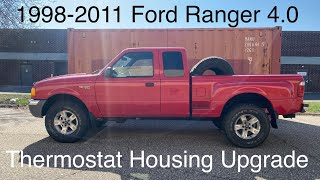
Known Issue: 4.0L V6 Thermostat Housing
If you have a Ranger with the 4.0L SOHC V6 engine, be aware of a very common problem. The plastic thermostat housing is known to crack and leak coolant. This leak often drips down and gets blown around by the fan, making it look like a hose or water pump is leaking. If you suspect a leak on your 4.0L, carefully inspect this housing before replacing hoses. Many owners choose to upgrade to a more durable metal aftermarket housing during the repair.
Choosing the Right Aftermarket Hose

You don't need to buy an expensive OEM hose from the dealer. Quality aftermarket brands provide excellent performance and durability for a fraction of the price. For the Ford Ranger, brands like Gates, Dayco, and Continental are all reliable choices.
- Gates: Generally considered a top-tier aftermarket brand. Forum users often praise Gates for having accurate parts catalogs and good fitment, which is crucial for a leak-free seal.
- Dayco: A solid, widely available brand. Their hoses are known to be durable, and some users note they feel slightly thicker than other brands. However, be extra careful to verify the part number, as some owners have reported catalog errors for specific Ranger engine/year combinations in the past.
- Continental: Another reputable manufacturer that produces quality rubber products. They are a safe bet if the part number matches your vehicle.
Pro Tip: Always confirm the part number using your Ranger's specific engine size (2.3L, 3.0L, or 4.0L) and year. The hoses are not interchangeable between engines. It's also highly recommended to replace both the upper and lower hoses at the same time. If one has failed from age, the other is likely not far behind.
Radiator Hose Replacement Cost for 2001-2011 Ford Ranger
| Part/Service | Estimated Cost |
|---|---|
| New Aftermarket Hoses (DIY) | $25 - $67 |
| Shop Labor | $110 - $175 |
| Total Professional Replacement | $275 - $321 |
Costs are estimates and can vary by location and the specific parts chosen. This does not include the cost of new coolant.
Frequently Asked Questions

Can I replace the radiator hoses myself?
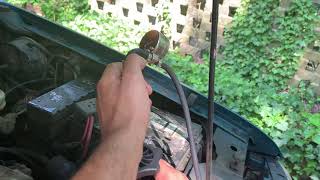
Yes, this is a very DIY-friendly job for most home mechanics. The process involves draining the coolant, using pliers to remove the hose clamps, swapping the hoses, and then refilling and bleeding the cooling system. The most important part is ensuring you get all the air out of the system afterward to prevent overheating.
Should I replace the hose clamps too?
It's a good idea. The original spring-style clamps can lose tension over time, leading to leaks. Replacing them with new spring clamps or high-quality worm-gear clamps is cheap insurance against future problems.
My upper hose is hot but my lower hose is cold. What's wrong?
This usually points to a problem with coolant circulation, not necessarily the hose itself. The most common causes are a stuck thermostat that isn't opening or a clogged radiator that isn't allowing coolant to flow through.
What kind of coolant should I use in my Ford Ranger?
Always check your owner's manual. Most 2001-2011 Rangers use a green or yellow-colored coolant. Using the wrong type can cause corrosion and damage to your cooling system. When you refill, use a 50/50 mix of coolant and distilled water.
Helpful Videos
Technical Specifications
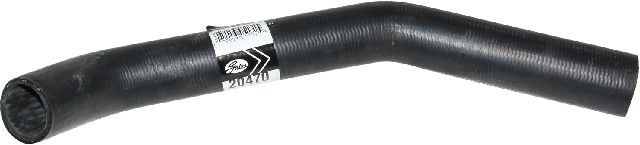
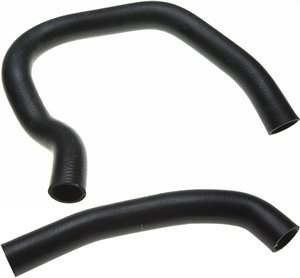
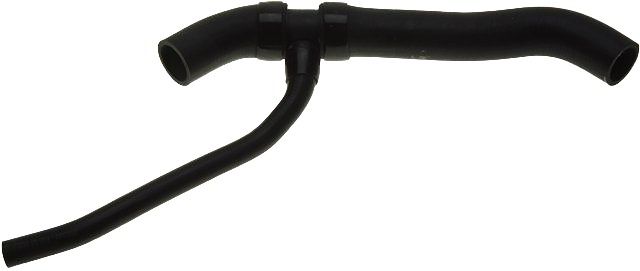
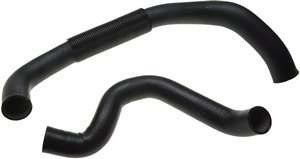
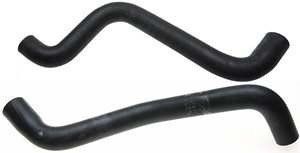
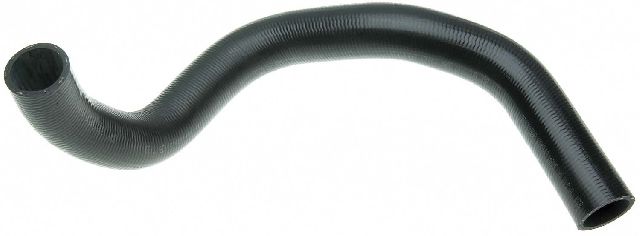
Hose shape and diameter vary by engine size (2.3L I4, 3.0L V6, 4.0L SOHC V6). Always verify the correct part number for your specific vehicle configuration before ordering.
We Have This Part in Stock

The information in this article is provided for general reference and educational purposes only. Vehicle specifications, procedures, and part compatibility can vary by production date, trim level, and region. Always consult your vehicle's factory service manual and verify part numbers before purchasing or performing repairs. Safety-critical components such as airbags, seat belts, and braking systems should be installed by a qualified professional.
- Ford Ranger: