

A Kia Rio Owner's Guide to Alternator Replacement (2001-2011)
Don't get stranded by a dead battery; understand your Rio's charging system and how to choose the right replacement alternator.
- Verify your Rio's generation: 2001-2005 models use an 80A alternator, while 2006-2011 models use a 90A version.
- A battery light, dimming headlights, and whining noises are classic symptoms of a failing alternator.
- For longevity, consider a premium aftermarket brand like Denso; for a balance of value and quality, look at ACDelco or WAI.
- Replacing the serpentine belt at the same time is a smart and cost-effective preventative measure.
Signs of a Failing Alternator in a Kia Rio

When your Rio's alternator starts to fail, it usually gives you a few warning signs. Ignoring them can leave you on the side of the road. Be on the lookout for these common symptoms:
- Dimming or Flickering Lights: If your headlights and dashboard lights seem to pulse or dim, especially at idle, the alternator is likely struggling to provide consistent voltage.
- Battery Warning Light: A dashboard light shaped like a battery is a direct indicator of a charging system problem. It means the system voltage is too low, and the alternator isn't recharging the battery properly.
- Weak or Dead Battery: A bad alternator can't recharge the battery, so you may find your car difficult to start or completely dead, even after a jump-start.
- Strange Noises: A whining or grinding sound coming from the engine bay that changes with engine speed can point to failing bearings inside the alternator.
- Electrical Issues: Power windows moving slowly, a radio that cuts out, or other weird electrical behavior can happen when the alternator isn't supplying enough power.
Generation Differences (2001-2011)

It's important to know which generation of Kia Rio you have, as the alternators are different.
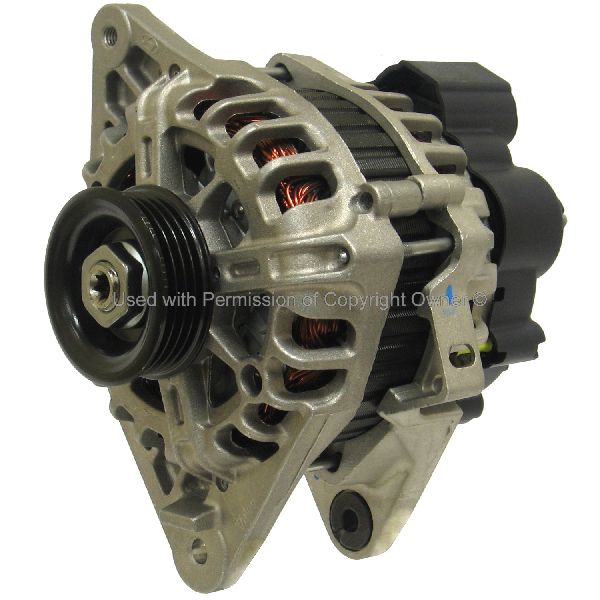
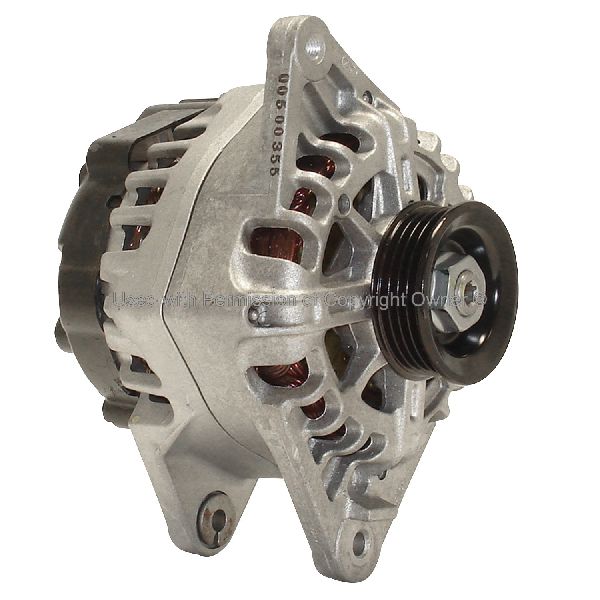
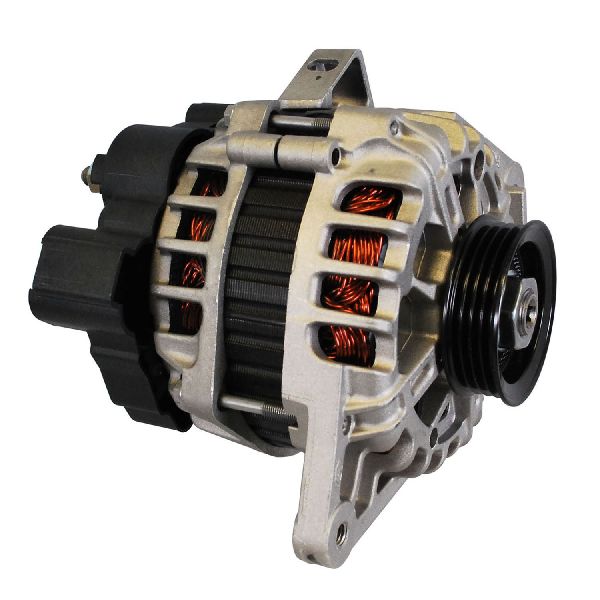
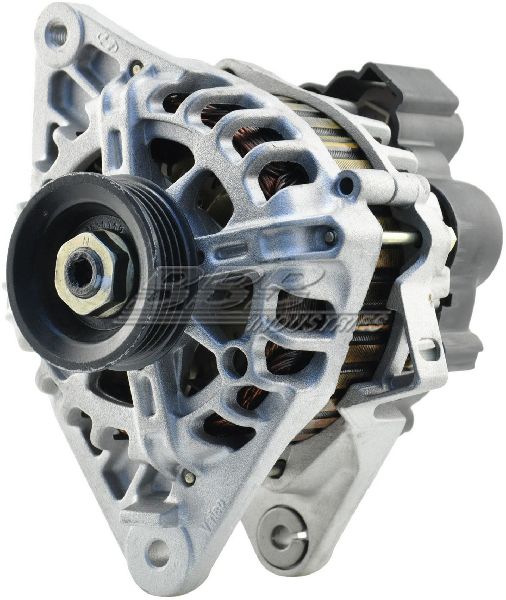
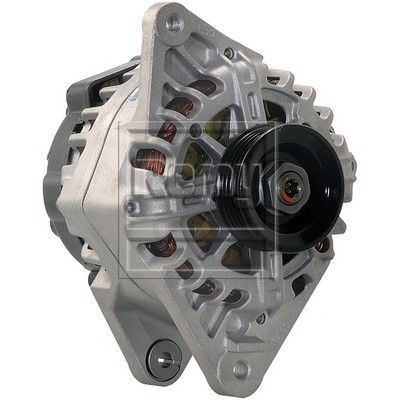
- First Generation (2001-2005): These models typically use an 80-amp alternator with a 4-groove pulley.
- Second Generation (2006-2011): These models were upgraded to a 90-amp alternator, also with a 4-groove pulley.
Always confirm the correct amperage for your specific year and model before purchasing. Using the wrong one can lead to charging issues or damage to your electrical system.
Choosing the Right Aftermarket Alternator

You don't need to buy an expensive alternator from the Kia dealership. Aftermarket parts offer great value and quality, but it helps to know the players.
Aftermarket Brand Tiers for Kia Rio
| Tier | Brands | Description |
|---|---|---|
| Premium Aftermarket | Denso | Denso is a well-regarded OEM supplier for many Japanese automakers and their aftermarket parts are known for high quality and reliability, often matching factory performance. Many owners consider Denso a top choice. |
| Quality Aftermarket | ACDelco, Remy, WAI Global | These brands offer a solid balance of quality, reliability, and price. ACDelco is a well-known GM-backed brand with a good reputation. WAI and Remy are also respected in the industry for providing dependable new and remanufactured units. |
| Standard / Economy | BBB Industries, MPA (Motorcar Parts of America) | These brands provide functional, budget-friendly options. They are often remanufactured and can be a good choice if cost is the primary concern, though longevity may vary compared to premium brands. |
Known Issues, Recalls, or TSBs
As of late 2023, there are no specific recalls or widespread Technical Service Bulletins (TSBs) directly related to alternator failure for the 2001-2011 Kia Rio models from the NHTSA. However, a loose alternator terminal nut was the cause of a recall on some much newer Kia models, highlighting the importance of secure connections. Most issues on the 2001-2011 models are related to normal wear and tear of the alternator's internal components like brushes and bearings over time.
DIY Replacement vs. Professional Installation

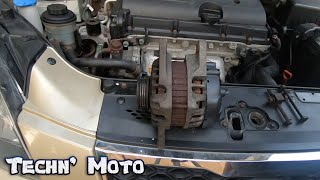
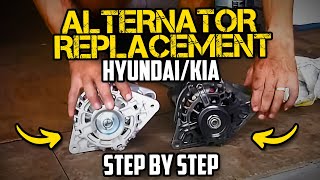
Replacing the alternator on a 2001-2011 Kia Rio is a manageable job for a confident DIYer with the right tools. Access is generally reasonable. The process involves disconnecting the battery, removing the serpentine belt, unplugging the electrical connectors, and unbolting the alternator. If you're not comfortable working with belts and electrical components, a professional mechanic can do the job in about 1-2 hours.
Common Ordering Mistake
The biggest mistake is ordering the wrong amperage. First-generation (2001-2005) Rios use an 80-amp unit, while second-generation (2006-2011) Rios use a 90-amp unit. Double-check your vehicle's year before adding an alternator to your cart.
Frequently Asked Questions
Is an aftermarket alternator as good as the original Kia part?
Yes, a quality aftermarket alternator can be just as good, and sometimes better. Brands like Denso are often the original equipment manufacturer anyway. The key is to choose a reputable brand and avoid the cheapest, no-name options which may have questionable quality control.
Should I replace the serpentine belt at the same time?
It's a great idea. The serpentine belt has to be removed to replace the alternator, so you're already doing most of the labor. Inspect the belt for cracks, fraying, or glazing. If it's not in perfect condition, replacing it now can save you from another repair down the road.
What does the "core charge" mean?
Many alternators, especially remanufactured ones, have a "core charge." This is a refundable deposit you pay when you buy the part. You get the deposit back when you return your old, failed alternator. This allows the manufacturer to rebuild it, which is an environmentally friendly practice.
Do I need a special high-output alternator?
For a stock Kia Rio, the standard 80-amp or 90-amp alternator is perfectly fine. You would only need a high-output alternator (200+ amps) if you have installed powerful aftermarket equipment like a massive stereo system with large amplifiers, extra lighting, or other high-draw accessories.
Helpful Videos


Technical Specifications
OEM Part Numbers: 3730022650 0K30D18300
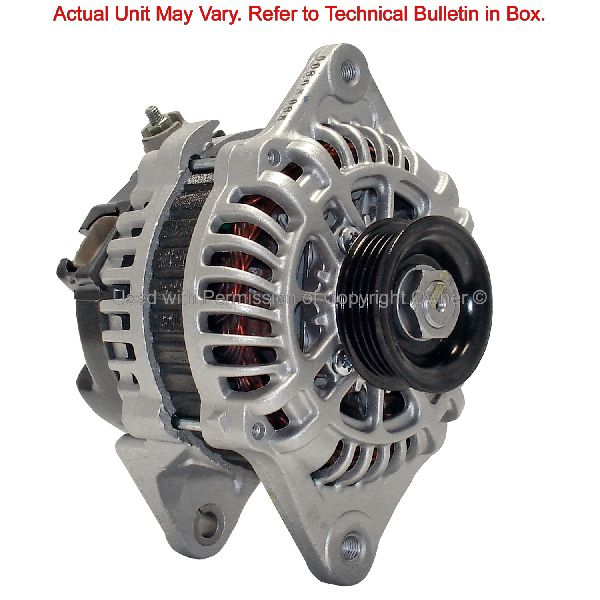
First Generation (2001-2005): 80 Amps, 12V, 4-Groove Pulley. Second Generation (2006-2011): 90 Amps, 12V, 4-Groove Pulley.
We Have This Part in Stock

The information in this article is provided for general reference and educational purposes only. Vehicle specifications, procedures, and part compatibility can vary by production date, trim level, and region. Always consult your vehicle's factory service manual and verify part numbers before purchasing or performing repairs. Safety-critical components such as airbags, seat belts, and braking systems should be installed by a qualified professional.
- Kia Rio:
- 🎬 Helpful Videos
- 🛍️ Shop This Part
- Signs of a Failing Alternator in a Kia Rio
- Generation Differences (2001-2011)
- Choosing the Right Aftermarket Alternator
- Aftermarket Brand Tiers for Kia Rio
- Known Issues, Recalls, or TSBs
- DIY Replacement vs. Professional Installation
- Common Ordering Mistake
- Frequently Asked Questions
- 🎟️ Get 5% Off