

Brake Master Cylinder Guide for the 2001-2011 Mazda Tribute
If your brake pedal feels spongy or sinks to the floor, your master cylinder might be the problem.
- A spongy or sinking brake pedal is the number one sign of a failing master cylinder in a Tribute.
- A critical safety recall exists for 2001-2004 models for a leaking reservoir cap that can cause a fire; verify this has been fixed.
- You must order the correct master cylinder for your Tribute's specific brake system (rear drum vs. 4-wheel disc).
- Driving with a faulty master cylinder is extremely dangerous and can lead to complete brake failure.
Is Your Mazda Tribute's Brake Master Cylinder Failing?
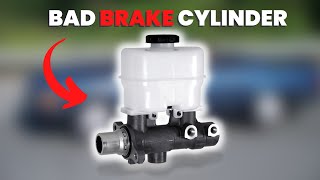
A failing brake master cylinder is a serious safety issue for your 2001-2011 Mazda Tribute. The most common sign of failure is a change in how your brake pedal feels. 🎬 Watch this video to identify common master cylinder failure symptoms. You might notice the pedal feels soft, spongy, or slowly sinks to the floor when you hold it down. This happens because internal seals wear out, allowing fluid to bypass the piston instead of building pressure. You might also see the brake warning light on your dash or notice low or contaminated brake fluid in the reservoir. In some cases, a complete loss of braking ability can occur, sometimes intermittently.
Safety Recall for 2001-2004 Models
A significant safety recall (NHTSA Campaign ID: 12V-016) was issued for 2001-2004 Mazda Tributes. The original brake master cylinder reservoir cap could leak brake fluid. This fluid can drip onto the ABS module wiring harness below, causing corrosion, melting, and a potential fire risk, even with the vehicle turned off. The fix involves replacing the reservoir cap and modifying the ABS electrical system. Check with a Mazda dealer to ensure this recall has been performed on your vehicle.
Choosing the Right Aftermarket Master Cylinder
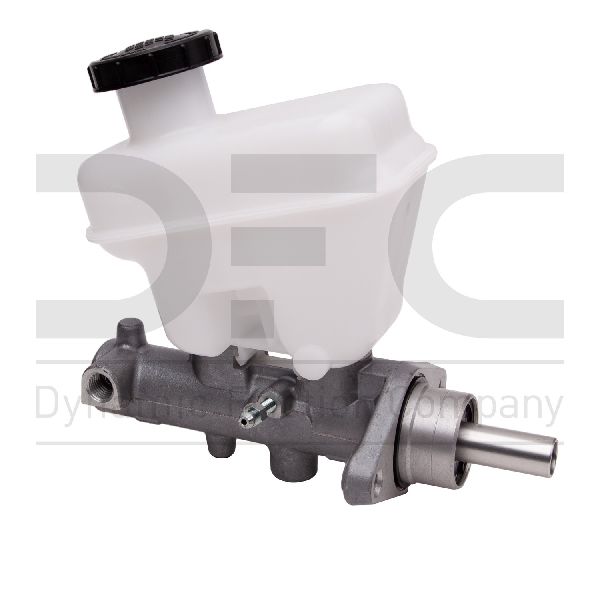
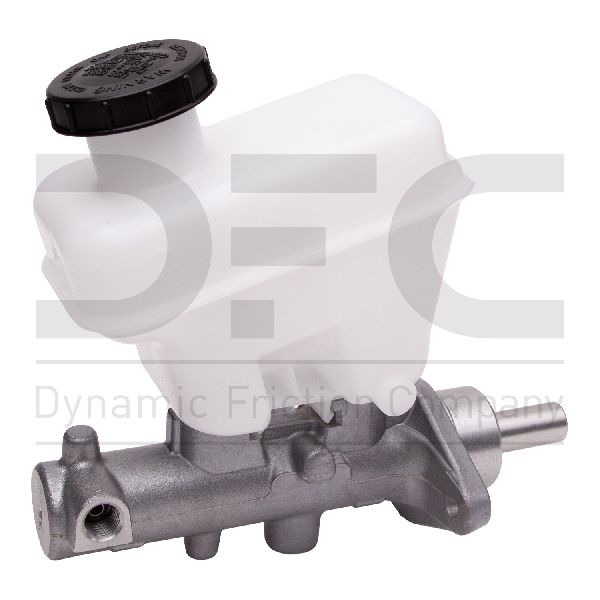
Since the Mazda Tribute shares its platform with the Ford Escape, many parts are identical. When shopping for a new aftermarket master cylinder, you'll find several brands available. Aftermarket parts can offer comparable quality to the original equipment (OEM) at a lower price. However, quality can vary between brands.
Brand Tiers for Your Tribute:
- Premium Aftermarket (Beck Arnley, Raybestos): Beck Arnley is often noted for sourcing parts that are very close to OEM specifications and quality. Raybestos is a long-standing, reputable brand in braking components with a history of good quality control. These brands are a solid choice for a reliable, long-lasting repair.
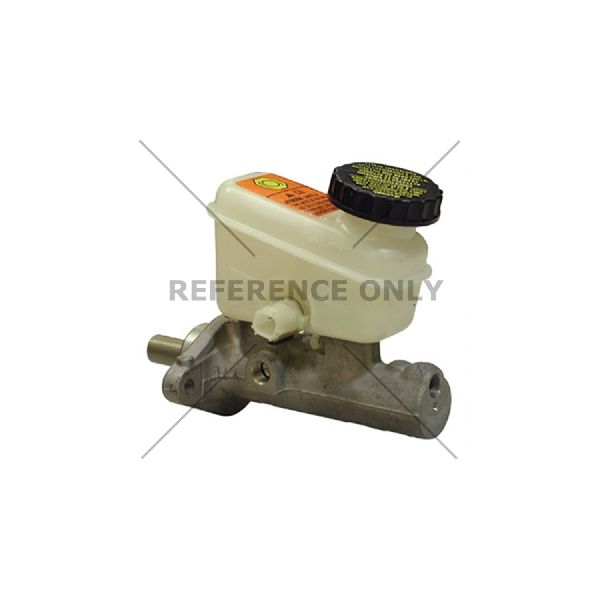
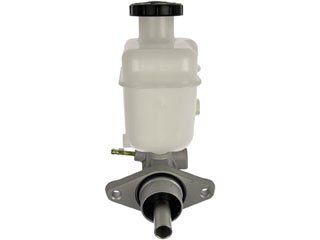
- Standard Aftermarket (Centric, Dorman, Dynamic Friction): Centric is a widely used brand in repair shops and is generally considered to provide good quality parts. Dorman is known for re-engineering parts to fix common OEM flaws, which can be a benefit. These brands offer a good balance of price and quality for daily driving.
Pro Tip: Some early Tributes (mostly 2001-2004) came with rear drum brakes, while later models have 4-wheel disc brakes. These two systems use different master cylinders. It is critical to order the correct part for your specific brake setup to ensure proper function.
Common Ordering Mistakes & Installation Notes
The biggest mistake is ordering a master cylinder for a 4-wheel disc system when your Tribute has rear drums, or vice-versa. Always verify your vehicle's specific brake system before purchasing. During installation, it is crucial to "bench bleed" the new master cylinder before installing it in the vehicle. This process removes air from the cylinder itself and is essential for achieving a firm pedal feel after installation. If the old master cylinder was leaking fluid onto the brake booster, the booster should also be replaced, as brake fluid will destroy its internal diaphragm.
Estimated Replacement Costs
| Part/Service | Estimated Cost |
|---|---|
| New Aftermarket Master Cylinder | $77 - $155 |
| Shop Labor | $150 - $250 |
| Total Estimated Cost | $227 - $405 |
Frequently Asked Questions (FAQ)
Can I still drive my Tribute with a failing master cylinder?
No. A failing master cylinder can lead to a sudden and complete loss of braking ability. It is not safe to drive a vehicle with symptoms of master cylinder failure.
Is a spongy brake pedal always the master cylinder?
Not always, but it is the most common cause. A spongy pedal can also be caused by air in the brake lines, old and moisture-contaminated brake fluid, or a failing ABS module. 🎬 See how a sinking pedal can also involve the ABS module. However, if the pedal sinks to the floor while holding pressure, the master cylinder is the primary suspect.
Why did my brakes feel fine and then suddenly fail?
Master cylinder failures can be intermittent at first. The internal seals can fail under certain pressures or temperatures, causing a sudden loss of braking, even if they seemed to work moments before. This makes it a particularly dangerous component to ignore.
Do I need a special tool to bleed the brakes?
While basic brake bleeding can be done with a helper and a wrench, a vacuum or pressure bleeder makes it a much easier and more effective one-person job. After replacing a master cylinder, it's critical to bleed all four wheels in the correct sequence to remove all air from the system.
Helpful Videos
Technical Specifications
Varies based on whether the vehicle is equipped with rear drum brakes or 4-wheel disc brakes. The bore size and port configuration are different between the two types.
We Have This Part in Stock

The information in this article is provided for general reference and educational purposes only. Vehicle specifications, procedures, and part compatibility can vary by production date, trim level, and region. Always consult your vehicle's factory service manual and verify part numbers before purchasing or performing repairs. Safety-critical components such as airbags, seat belts, and braking systems should be installed by a qualified professional.
- Mazda Tribute: