

A Seat Leon Owner's Guide to the Engine Coolant Temperature Sensor (2001-2011)
Fix common engine problems like rough idling, poor fuel economy, and incorrect gauge readings on your Mk1 or Mk2 Leon.
- Failure of the ECT sensor is a very common problem for 2001-2011 Seat Leons.
- Always choose the updated 'green top' sensor over the older, unreliable 'black top' design.
- Symptoms often include a faulty temperature gauge, poor gas mileage, and a check engine light.
- This is an inexpensive and easy DIY replacement that can solve many engine performance issues.
Is Your Seat Leon Running Rough? It Could Be the Coolant Temp Sensor

If your 2001-2011 Seat Leon has developed strange habits like a jumpy temperature gauge, bad gas mileage, or trouble starting, a faulty Engine Coolant Temperature (ECT) sensor is a likely culprit. This is one of the most common failure points on the Mk1 (1M) and Mk2 (1P) Leon, as well as their Volkswagen and Audi cousins. The sensor gives the engine's computer bad information, leading to a host of performance issues. Fortunately, it's an inexpensive and easy part to replace.
Symptoms of a Failing ECT Sensor

- Erratic Temperature Gauge: The needle on your dashboard might stay at cold, jump to hot suddenly, or fluctuate randomly.
- Poor Fuel Economy: If the sensor tells the computer the engine is always cold, the computer will inject extra fuel, hurting your MPG.
- Check Engine Light: A failing sensor will often trigger the check engine light with codes like P0116, P0117, or P0118.
- Hard Starting: The engine may be difficult to start, especially when it's already warm, because the computer is using the wrong fuel mixture for the conditions.
- Black Smoke from Exhaust: A rich fuel mixture from a bad sensor reading can result in black smoke from the tailpipe.
- Cooling Fans Run Constantly or Not at All: The sensor controls when the fans turn on. A bad signal can make them run all the time or not turn on when needed, risking overheating. 🎬 Watch: 8 symptoms of a bad sensor and replacement costs.
A Known Issue: Black vs. Green Sensors
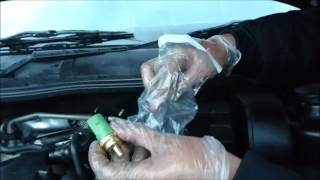
The original factory-installed ECT sensors in many of these cars were black and had a high failure rate. The official replacement part from the VW/Audi group was updated to a green-topped sensor, which is much more reliable. When buying a replacement, ensure you are getting the updated green version.
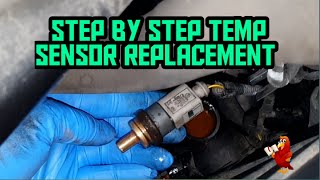
🎬 See this walkthrough for changing the sensor on VAG engines.Choosing the Right Aftermarket Sensor

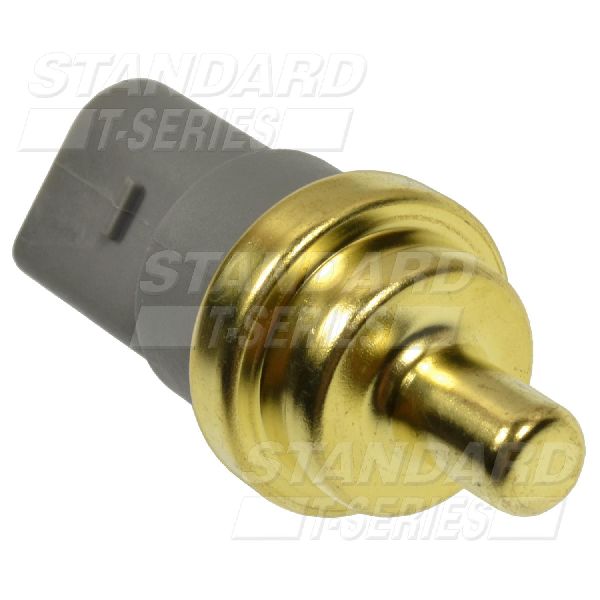
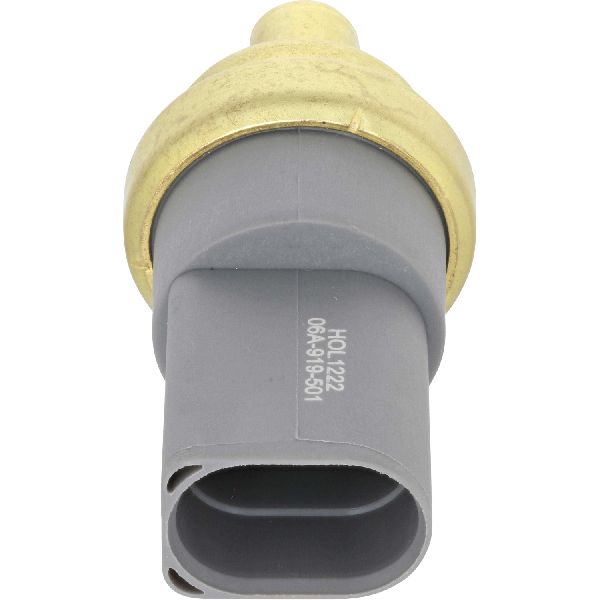
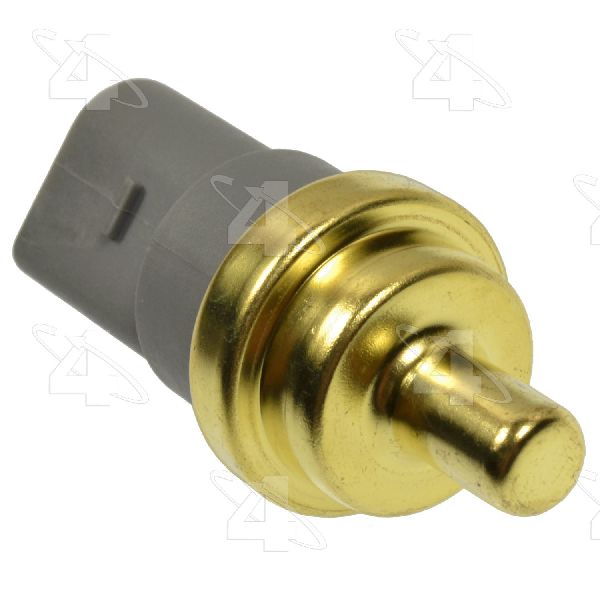
For a part like this, you don't necessarily need to buy a genuine dealer part. Many quality aftermarket brands produce reliable sensors that meet or exceed the original's quality, and they are often based on the updated green sensor design. Here’s a look at the brands available:
- Premium Aftermarket (NGK, Standard Ignition): These brands have a strong reputation for quality electronics that rival OEM parts. They are a solid choice for reliability and peace of mind.
- Standard Aftermarket (Holstein, Four Seasons, Motorad): These brands offer a good balance of quality and value. They are dependable replacements for a daily driver and a significant step up from no-name online parts.
- Economy Aftermarket (True Tech): This brand provides a functional replacement at the lowest price point. It's a viable option if budget is the primary concern.
Pro Tip: When you replace the sensor, it's smart to also replace the small rubber O-ring and the plastic retaining clip. These parts cost very little and ensure a leak-free seal. The old clip can become brittle and break during removal.
Cost of Replacing a Seat Leon ECT Sensor
| Part Type | Price Range | Notes |
|---|---|---|
| New Aftermarket | $13.18 - $43.76 | Your most common and cost-effective option. |
| New OEM | $13 - $58 | Can range from online discounters to full dealer MSRP. |
| Shop Labor | $50 - $100 | Typically a 0.5-hour job at an independent shop. |
Frequently Asked Questions

Where is the ECT sensor located on a 2001-2011 Seat Leon?
The sensor is typically located on a coolant flange on the side of the engine block. You can often find it by following the upper radiator hose back to where it connects to the engine. It is held in place by a small plastic clip.
🎬 Watch this video to see the sensor location and replacement.Can I replace this sensor myself?
Yes, this is a very DIY-friendly job for most owners. The process involves removing the engine cover, unplugging the sensor, pulling out the retaining clip, and quickly swapping the old sensor for the new one. Be prepared to lose a small amount of coolant and have some G12-spec coolant ready to top off the system.
What happens if I don't replace a bad ECT sensor?
While you can usually still drive the car, ignoring the problem will lead to poor fuel economy, potential starting issues, and failed emissions tests. In a worst-case scenario, if the sensor fails to trigger the cooling fans, your engine could overheat, leading to much more severe and expensive damage.
Do I need to drain the coolant to change the sensor?
You do not need to drain the entire system. If you are quick, you will only lose a small amount of coolant when you pull the old sensor out. Having the new sensor and O-ring ready to go minimizes the spill. Always perform this job on a cold engine to avoid burns.
Helpful Videos
Technical Specifications
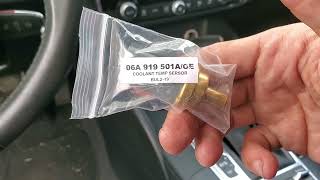
OEM Part Numbers: 059919501A 078919501C
4-pin connector, typically green top, includes O-ring and retaining clip.
We Have This Part in Stock



The information in this article is provided for general reference and educational purposes only. Vehicle specifications, procedures, and part compatibility can vary by production date, trim level, and region. Always consult your vehicle's factory service manual and verify part numbers before purchasing or performing repairs. Safety-critical components such as airbags, seat belts, and braking systems should be installed by a qualified professional.
- Seat Leon: