

Toyota Highlander Engine Coolant Temperature Sensor Guide (2001-2011)
Everything a Highlander owner needs to know about choosing and replacing a faulty engine coolant temperature sensor.
- A bad ECT sensor can cause poor fuel economy, a check engine light, and overheating.
- This is an easy and inexpensive DIY repair; the sensor is usually located near the top radiator hose.
- For best results, choose an OEM (Denso) or a top-tier aftermarket brand like NGK or Delphi.
- No recalls have been issued by the NHTSA for this specific part on the 2001-2011 Highlander.
Is Your Highlander's Engine Coolant Temp Sensor Failing?
A bad Engine Coolant Temperature (ECT) sensor can cause a surprising number of problems. Because the sensor's reading affects so many engine functions, a false signal can make the computer think the engine is hot when it's cold, or cold when it's hot. This can lead to a variety of noticeable issues.
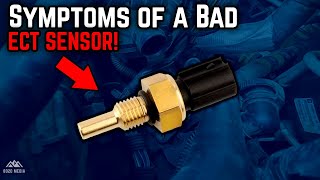
🎬 Watch this video to see common symptoms of a failing sensor.Common Symptoms of a Bad ECT Sensor:
- Check Engine Light: This is often the first sign. A scan tool might show codes like P0115, P0116, P0117, P0118, or P0128.
- Poor Fuel Economy: If the sensor wrongly tells the computer the engine is cold, the computer will enrich the fuel mixture, causing you to use more gas.
- Black Smoke from Exhaust: A very rich fuel mixture can result in unburnt fuel exiting through the exhaust, appearing as black smoke.
- Engine Overheating: If the sensor fails to report that the engine is hot, the cooling fans may not turn on when needed.
- Rough Idling or Hard Starts: The wrong temperature reading can lead to an incorrect air-fuel ratio, making the engine run poorly or struggle to start.
- Inaccurate Temperature Gauge: The gauge on your dashboard might behave erratically, or show a temperature that doesn't make sense.
A Note on Overheating
If your temperature gauge goes into the red or you get an overheat warning, pull over immediately and turn off the engine. Driving with an overheating engine can cause severe and expensive damage. While a bad sensor can be the cause, it's not worth the risk.
OEM vs. Aftermarket ECT Sensors for Your Highlander
When replacing the ECT sensor, you have a choice between Original Equipment Manufacturer (OEM) and aftermarket parts. For a critical sensor like this, quality matters.
- OEM (Toyota/Denso): The original sensor in your Highlander was made by Denso. Buying a sensor from a Toyota dealer or a Denso-branded sensor from an auto parts store is the safest bet for perfect fit and function. Denso is known for high-quality electronics.
- Aftermarket: Aftermarket brands offer a range of quality and price. For a Toyota, sticking with a known, reputable brand is highly recommended.
Choosing an Aftermarket Brand
Not all aftermarket brands are created equal. Here’s a breakdown of the brands available:
- Top Tier (OEM or Equivalent): Denso is the OEM supplier. You can't go wrong with it. NGK/NTK and Delphi are also highly respected manufacturers of engine sensors and are generally considered reliable choices.
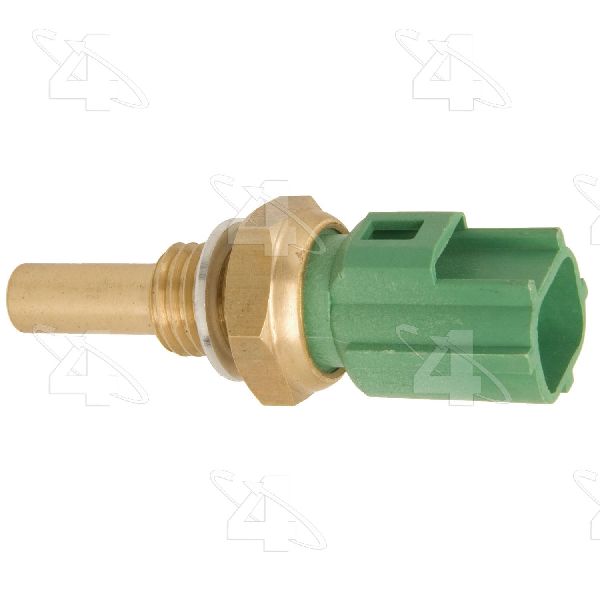
- Mid-Tier (Reputable Aftermarket): Brands like Standard Motor Products (SMP), Hella, and Four Seasons have a long history in the aftermarket and are usually a solid choice if a top-tier brand isn't available.
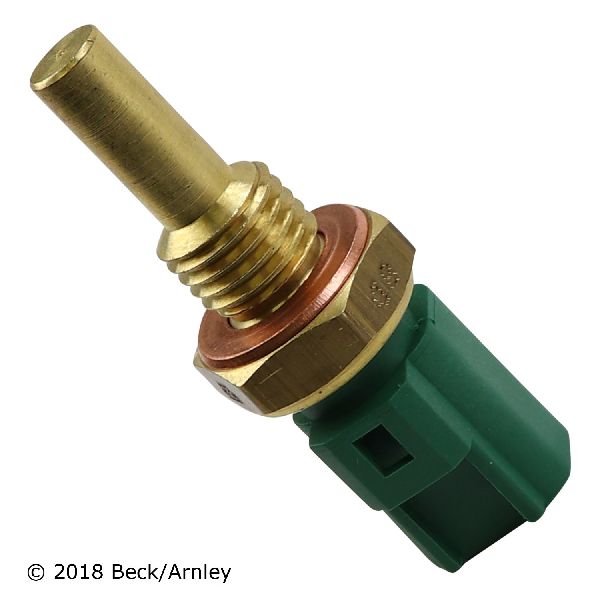
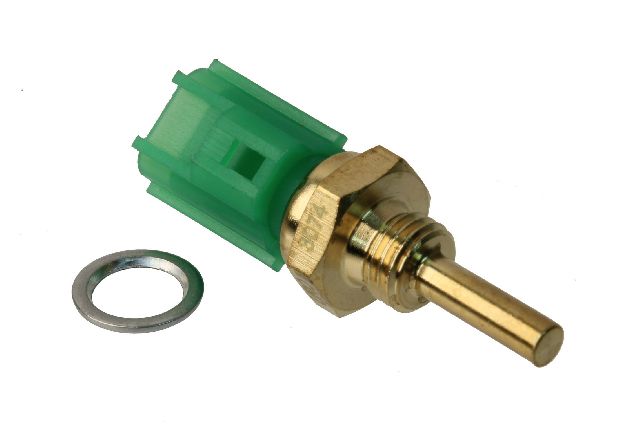
- Economy Tier: Brands like URO Parts, Facet, and others may be less expensive, but their long-term reliability can be a gamble. While Beck Arnley used to be known for reboxing OEM parts, their quality can be inconsistent now. For a sensor this critical and inexpensive to replace, it's often worth spending a little more for a better part.
Pro Tip: Since Denso is the original manufacturer for Toyota, buying a Denso-branded sensor is like getting the OEM part, often for less money than from the dealership.
How Much Does a Replacement Cost?
The cost to replace the ECT sensor is very reasonable, especially if you do it yourself. The part itself is not expensive, and labor is minimal.
| Item | Estimated Cost |
|---|---|
| New Aftermarket ECT Sensor | $11 - $83 |
| New OEM ECT Sensor (Toyota/Denso) | $68 - $98 |
| Shop Labor | $75 - $150 |
| DIY Total | $11 - $83 |
| Shop Total | $86 - $233 |
Note: Costs are estimates and can vary based on your location, the specific brand chosen, and the repair shop's labor rates. The shop total provided here is an estimate for this specific, simple job, while some national estimators may bundle it with more complex diagnostics, leading to higher quotes.
Frequently Asked Questions
Is this a difficult repair to do myself?
No, for most Highlander models in this year range, this is a very easy DIY job. The sensor is usually located on the engine near the top radiator hose, making it easy to access. It typically requires only a deep socket and ratchet. The whole job can often be done in under 30 minutes.
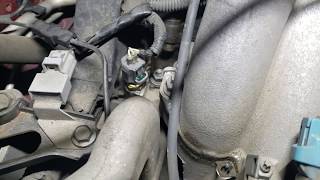
🎬 See how to replace the sensor on a V6 Highlander.Where is the ECT sensor located on my 2001-2011 Highlander?
On the V6 models, you can typically find the sensor by following the upper radiator hose to where it connects to the engine. The sensor is a small plug with a wiring connector, threaded into the thermostat housing right there. On 4-cylinder models, the location is similar, near the thermostat housing on the cylinder head. Always let the engine cool completely before attempting to replace it.
Are there any recalls for this part?
No, searches of the National Highway Traffic Safety Administration (NHTSA) database did not find any recalls specifically for the engine coolant temperature sensor on the 2001-2011 Toyota Highlander.
Do I need to drain the coolant to replace it?
You don't need to drain the entire system. However, since the sensor is threaded into a coolant passage, a small amount of coolant will leak out when you remove the old sensor. Have the new sensor ready to screw in quickly to minimize the loss. You can then top off the coolant reservoir if needed.
Helpful Videos
Technical Specifications
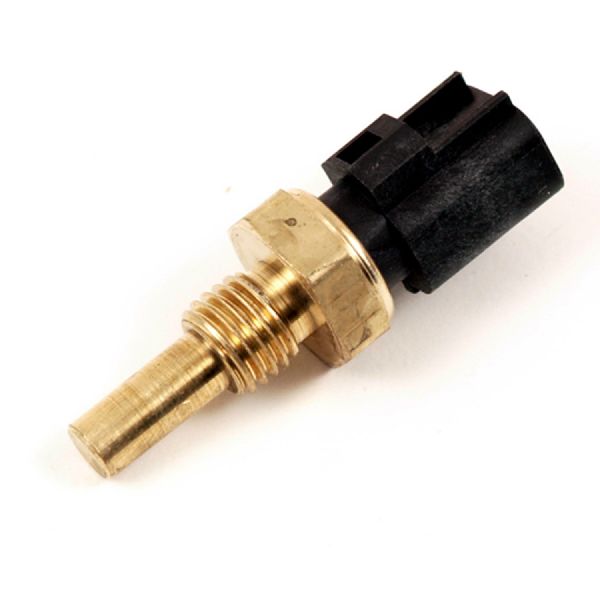
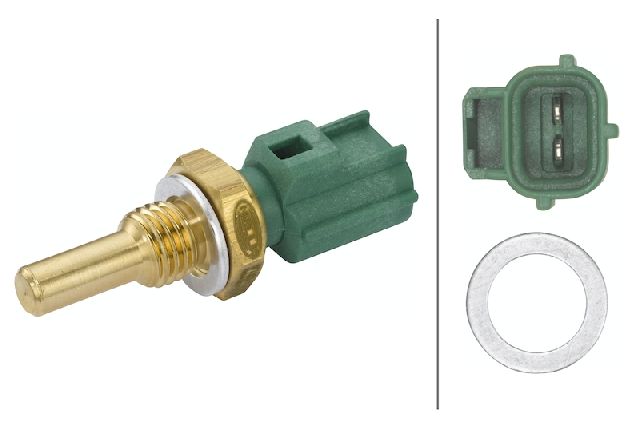
OEM Part Numbers: 89422-33030 89422-20010 89422-35010
2-terminal female connector with blade-style terminals. Thread size and resistance values vary by specific part number and engine.
We Have This Part in Stock


The information in this article is provided for general reference and educational purposes only. Vehicle specifications, procedures, and part compatibility can vary by production date, trim level, and region. Always consult your vehicle's factory service manual and verify part numbers before purchasing or performing repairs. Safety-critical components such as airbags, seat belts, and braking systems should be installed by a qualified professional.
- Toyota Highlander:
- 🎬 Helpful Videos
- 🛍️ Shop This Part
- Is Your Highlander's Engine Coolant Temp Sensor Failing?
- Common Symptoms of a Bad ECT Sensor:
- A Note on Overheating
- OEM vs. Aftermarket ECT Sensors for Your Highlander
- Choosing an Aftermarket Brand
- How Much Does a Replacement Cost?
- Frequently Asked Questions
- 🎟️ Get 5% Off