

Toyota Highlander Engine Intake Manifold Gasket Guide (2001-2011)
A complete guide to fixing intake gasket leaks on your 2001-2011 Toyota Highlander.
- Verify your exact engine (e.g., 2.4L, 3.3L, 3.5L) before ordering, as gaskets are not interchangeable.
- Symptoms often include a rough idle, hissing noises, and Check Engine Light codes P0171 or P0174.
- Choose high-quality aftermarket brands like Beck Arnley or Victor Reinz for OEM-level reliability.
- Driving with a coolant leak or oil contamination symptom can lead to critical engine damage.
Is Your Highlander Running Rough? It Could Be the Intake Gasket
If your Toyota Highlander has a rough idle, is losing power, or you hear a strange hissing sound from the engine, a failing intake manifold gasket could be the culprit. This gasket is a critical seal that wears out over time from constant heat cycles. When it fails, it can cause vacuum leaks, coolant leaks, and a variety of engine performance problems. This guide covers the symptoms, brand choices, and costs for replacing the intake manifold gasket set on any 2001 to 2011 Highlander.
Engine-Specific Parts are Crucial
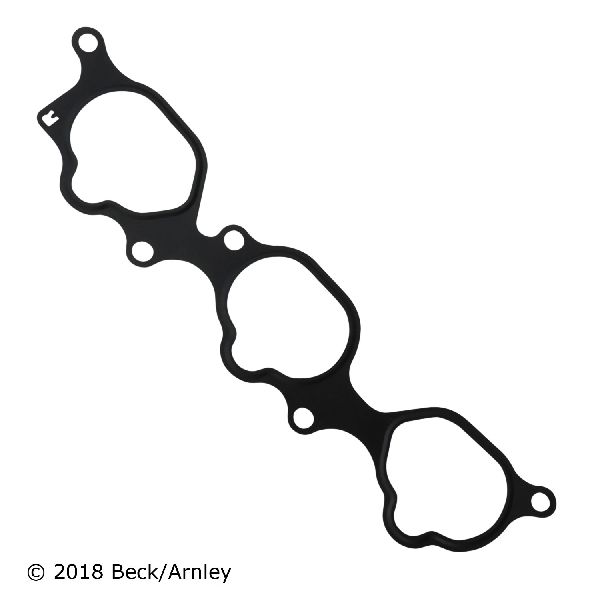
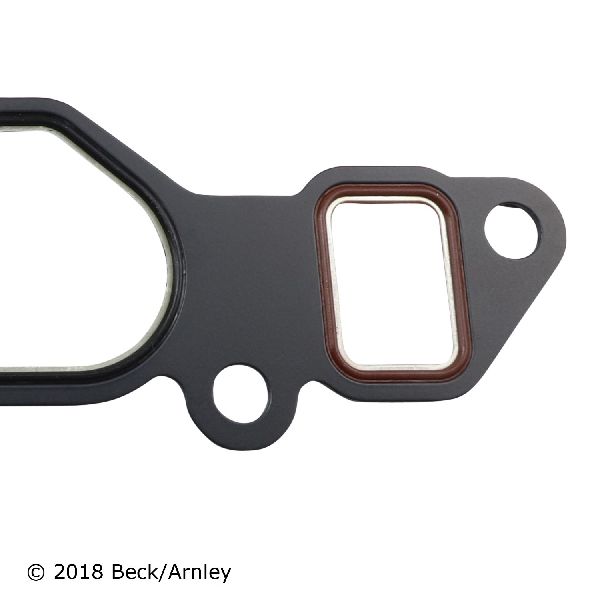
The 2001-2011 Highlander used several different engines (2.4L I4, 2.7L I4, 3.0L V6, 3.3L V6, and 3.5L V6). The intake manifold gaskets are NOT interchangeable between these engines. Always verify the gasket set matches your specific engine size and year before ordering.
Symptoms of a Failing Intake Manifold Gasket
- Rough Idle and Misfires: A vacuum leak from a bad gasket lets extra air into the engine, throwing off the air-fuel ratio. This can cause a shaky idle, engine misfires, and hesitation when you accelerate.
- Check Engine Light: The most common trouble codes triggered by a vacuum leak are P0171 and P0174, which indicate the engine is running too lean (too much air). Misfire codes (P0300, P0301, etc.) are also possible.
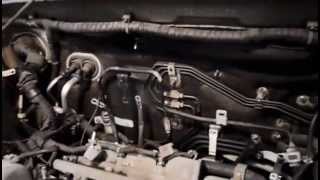
- Hissing or Whistling Noises: You may hear a distinct sucking or hissing sound 🎬 Watch: How to find a vacuum leak like a pro coming from the engine bay, especially at idle. This is the sound of air being pulled through the broken seal in the gasket.
- Coolant Leaks or Overheating: If the gasket fails around a coolant passage, you might see coolant dripping onto the ground. A more serious internal leak can cause the engine to overheat or allow coolant to mix with the engine oil, creating a milky, coffee-like sludge under the oil cap.
Choosing the Right Aftermarket Gasket Set
For a critical part like this, quality matters. Doing the job twice because of a cheap, failed gasket will cost you far more in the long run. Aftermarket brands can be grouped into tiers based on quality and reputation.
Tier 1: OEM-Quality Brands
These brands are known for manufacturing parts that meet or exceed original factory specifications. They are a reliable choice for a long-lasting repair.
- Beck Arnley: This brand has a strong reputation for sourcing parts directly from OEM manufacturers. Many of their gaskets for Japanese vehicles are made in Japan and are considered a safe, high-quality alternative to buying from the dealer.
- Victor Gaskets (Reinz): Victor Reinz is a major OEM supplier for many car brands worldwide. They are known for excellent materials and engineering, often incorporating improvements over the original factory design.
Tier 2: Budget-Friendly Brands
These brands offer a significant cost saving, but reviews and quality can be inconsistent. They present a higher risk of fitment issues or premature failure.
- DNJ Engine Components: Often the lowest-priced option, but forum and user reviews are very mixed. Some mechanics use them without issue, while many others report problems like poor fit, swelling gaskets, and leaks shortly after installation. Consider this a high-risk option.
- Apex: Another budget brand that claims to meet OEM standards. However, there is limited feedback from professional mechanics or long-term users, and the general advice in forums is to stick with proven brands for critical seals.
OEM vs. Aftermarket Quality
For the Toyota Highlander, you don't necessarily need to buy the gasket from a Toyota dealer to get a quality part. High-quality aftermarket brands like Beck Arnley and Victor Reinz are widely considered to be just as good as OEM, and in some cases, they may even be the original supplier repackaging the same part. The key is to avoid the lowest-tier, unproven brands where quality control can be a gamble.
Cost to Replace the Intake Manifold Gasket (2001-2011 Highlander)
| Part/Service | Estimated Cost |
|---|---|
| New Aftermarket Gasket Set | $9 - $147 |
| New OEM Gasket Set | $240 - $310 |
| Shop Labor | $220 - $752 |
| Total Professional Repair | $525 - $994 |
Cost estimates vary by engine, location, and the specific condition of the vehicle.
Frequently Asked Questions
Is this a difficult job to do myself?
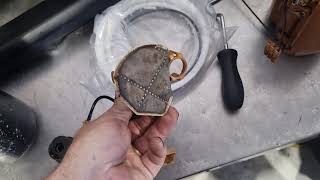
Yes, this is considered an advanced DIY repair. It requires removing the upper intake plenum, throttle body, fuel lines, and numerous electrical connectors and vacuum hoses to access the lower gaskets. It is achievable for an experienced home mechanic, but a novice should leave this job to a professional 🎬 See this step-by-step intake manifold gasket replacement walkthrough to avoid causing further damage.
Are there any recalls for this part on my Highlander?
No, as of early 2026, there are no active NHTSA recalls for the intake manifold gaskets on 2001-2011 Toyota Highlanders. Failures are typically due to age and normal wear rather than a specific manufacturing defect.
Should I replace anything else at the same time?
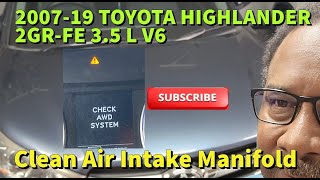
While the intake manifold is off, it is a good time to clean the throttle body and the intake passages. 🎬 Watch: How to service the intake manifold and remove carbon It's also a great opportunity to inspect vacuum lines for cracks and replace the PCV valve, as it is often easier to access. If your engine has high mileage, consider replacing the spark plugs and wires/coil boots if they are due.
What's the difference between the upper and lower intake gaskets?
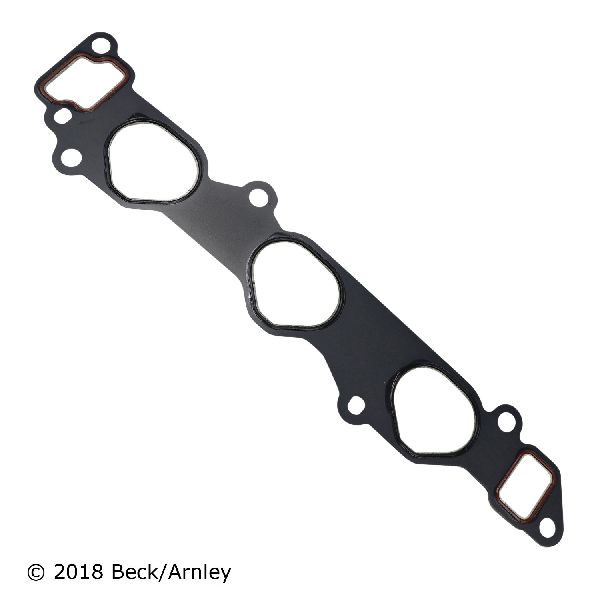
V6 and some 4-cylinder engines use a two-piece intake manifold. The "upper" gasket (also called a plenum gasket) seals the upper air chamber to the lower intake runners. The "lower" gaskets seal the intake runners to the cylinder heads. Vacuum leaks often happen at the lower gaskets, but it's best practice to replace both sets whenever the manifold is removed.
Helpful Videos

Technical Specifications
OEM Part Numbers: 17177-20020 17177-20010 17176-0P020 17177-31070 17177-0P030
Gasket sets vary by engine. First generation (2001-2007) Highlanders used the 2.4L 2AZ-FE I4, 3.0L 1MZ-FE V6, and 3.3L 3MZ-FE V6. Second generation (2008-2011) used the 2.7L 1AR-FE I4 and 3.5L 2GR-FE V6. Each requires a specific gasket set.
We Have This Part in Stock


The information in this article is provided for general reference and educational purposes only. Vehicle specifications, procedures, and part compatibility can vary by production date, trim level, and region. Always consult your vehicle's factory service manual and verify part numbers before purchasing or performing repairs. Safety-critical components such as airbags, seat belts, and braking systems should be installed by a qualified professional.
- Toyota Highlander:
- 🎬 Helpful Videos
- 🛍️ Shop This Part
- Is Your Highlander Running Rough? It Could Be the Intake Gasket
- Engine-Specific Parts are Crucial
- Symptoms of a Failing Intake Manifold Gasket
- Choosing the Right Aftermarket Gasket Set
- Tier 1: OEM-Quality Brands
- Tier 2: Budget-Friendly Brands
- OEM vs. Aftermarket Quality
- Cost to Replace the Intake Manifold Gasket (2001-2011 Highlander)
- Frequently Asked Questions
- 🎟️ Get 5% Off