

Ford Escape Engine Coolant Temperature Sensor Guide (2001-2012)
Having temperature gauge issues or poor fuel economy on your Ford Escape? Your Engine Coolant Temperature Sensor might be the cause.
- Verify if your issue is the temperature sensor (causes performance issues) or the level sensor (causes a warning light).
- A bad ECT sensor can cause serious symptoms like overheating; address it promptly to avoid engine damage.
- For this inexpensive but critical part, choosing a quality brand like Motorcraft, Delphi, or NGK is a wise investment for your Escape's reliability.
- Confirm if your specific engine uses an ECT or a CHT sensor, as they are different parts.
Symptoms of a Failing ECT Sensor in a Ford Escape

When the coolant temperature sensor starts to fail, it sends incorrect information to your Escape's computer. This can cause a variety of problems, from annoying to serious. Here are the most common signs:
- Check Engine Light: This is often the first sign. The computer will store fault codes like P0117, P0118, or P0128. 🎬 Watch: Understanding P0118 and coolant sensor fault codes.
- Poor Fuel Economy: A faulty sensor can make the computer think the engine is always cold, causing it to inject too much fuel and hurting your gas mileage.
- Engine Overheating: If the sensor fails to report that the engine is hot, the cooling fans may not turn on, leading to overheating.
- Black Smoke from Exhaust: This is a sign of a very rich fuel mixture, where unburned fuel is exiting through the exhaust.
- Rough Idle or Stalling: Incorrect fuel and timing adjustments can make your Escape run poorly, especially at idle.
- Erratic Temperature Gauge: The needle on your dashboard might jump around, stay on cold, or shoot straight to hot even on a cold start.
Important: Coolant Level vs. Coolant Temperature
Many Escape owners confuse the coolant temperature sensor with the coolant level sensor. If your low coolant light is on but the reservoir is full, you may have an issue with the level sensor inside the coolant tank (degas bottle), a known issue on 2001-2003 models with the 3.0L V6 (TSB 03-25-2). The ECT sensor reports temperature, not the fluid level.
Choosing the Right Aftermarket ECT Sensor for Your Escape

For a critical sensor like this, quality matters. A cheap, inaccurate sensor can cause the same drivability problems you're trying to fix. Here’s a breakdown of your options:
- OEM (Motorcraft): This is the original part your Escape was built with. It offers guaranteed fit and performance. While it's the most expensive option, it's the safest bet for reliability.
- Premium Aftermarket (e.g., Delphi, NGK/NTK, Standard Ignition): These brands are often original equipment suppliers to many automakers and have a strong reputation for quality. They provide OEM-level performance at a slightly lower price point, making them an excellent choice.
- Standard Aftermarket (e.g., Four Seasons, Walker Products, True Tech): These are budget-friendly options. While they can work, their long-term reliability and accuracy may not match premium brands. For a sensor this critical and inexpensive to replace, spending a few extra dollars for a premium brand is highly recommended to avoid future headaches.
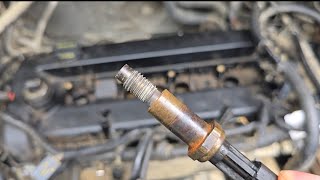
Pro Tip: Some Escapes use a Cylinder Head Temperature (CHT) sensor instead of an ECT. They are not interchangeable. Double-check whether your specific engine (2.0L, 2.3L, 2.5L, or 3.0L) uses an ECT or CHT sensor before ordering.
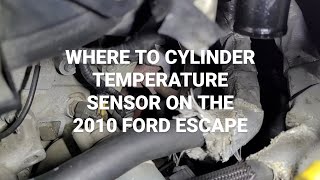
🎬 Watch: How to find the CHT sensor on your Escape.Known Issues, Recalls, and TSBs

While there are no direct recalls for the ECT sensor on the 2001-2012 Ford Escape, there are major safety recalls related to the cooling system that owners should be aware of:
- Recall 17S09: Affects some 2014 Escapes with the 1.6L engine (just outside this guide's year range, but relevant). It addresses a risk of the cylinder head cracking from overheating, which could cause an engine fire. The fix involved adding a coolant level sensor system.
- Recall 12S39: For 2013 model year Escapes with the 1.6L engine, a freeze plug could dislodge, leading to a rapid loss of coolant and potential fire.
These recalls highlight the importance of a properly functioning cooling system. If you experience overheating, do not ignore it, as it could be related to a more serious underlying issue.
Cost to Replace a Ford Escape ECT Sensor
| Part Type | Estimated Cost |
|---|---|
| New OEM (Motorcraft) | $45 - $90 |
| New Aftermarket | $10.99 - $77.86 |
| Shop Labor | $50 - $120 |
Frequently Asked Questions

Can I replace the ECT sensor myself?
Yes, this is a very DIY-friendly job for most home mechanics. It typically requires only basic hand tools, like a deep socket and ratchet. The process involves letting the engine cool, unplugging the sensor, and swapping the old one for the new one.
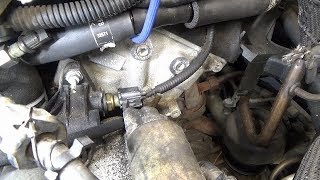
🎬 See this 3.0L V6 coolant sensor replacement walkthrough.Where is the ECT sensor located on a 2001-2012 Ford Escape?
The location varies depending on your engine. It is generally screwed into the cylinder head or thermostat housing. On some V6 models, it can be found near the thermostat housing, while on 4-cylinder models it may be on the side or back of the cylinder head. A quick search for your specific engine (e.g., "3.0L V6 Ford Escape ECT sensor location") will yield helpful diagrams and videos.
Can I drive my Escape with a bad ECT sensor?
It is not recommended. A bad sensor can lead to poor performance, bad fuel economy, and most importantly, engine overheating, which can cause severe and expensive damage. If the temperature gauge is in the red, pull over immediately.
What's the difference between an ECT and a CHT sensor?
An ECT (Engine Coolant Temperature) sensor measures the temperature of the coolant fluid itself. A CHT (Cylinder Head Temperature) sensor measures the temperature of the engine's metal cylinder head. Ford uses a CHT on some engines as a failsafe; if you lose all your coolant, the CHT can still detect overheating, whereas an ECT sensor would be reading air and give a false reading. They perform a similar function but are different parts.
Helpful Videos
Technical Specifications
OEM Part Numbers: 1S7F6G004AB 1S7Z6G004AA
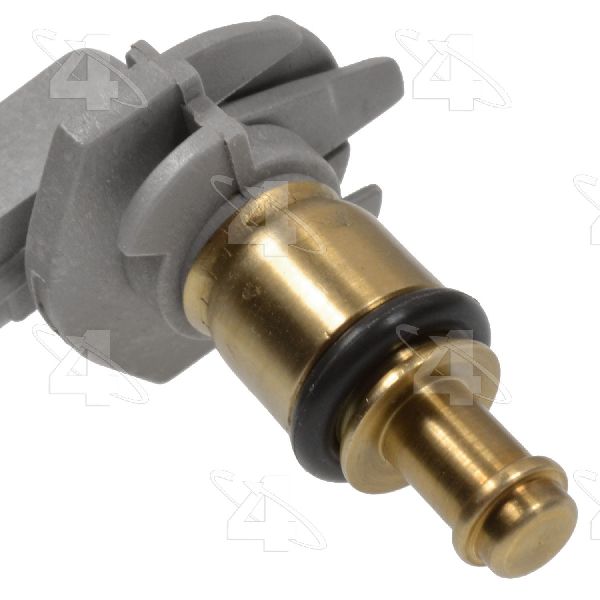
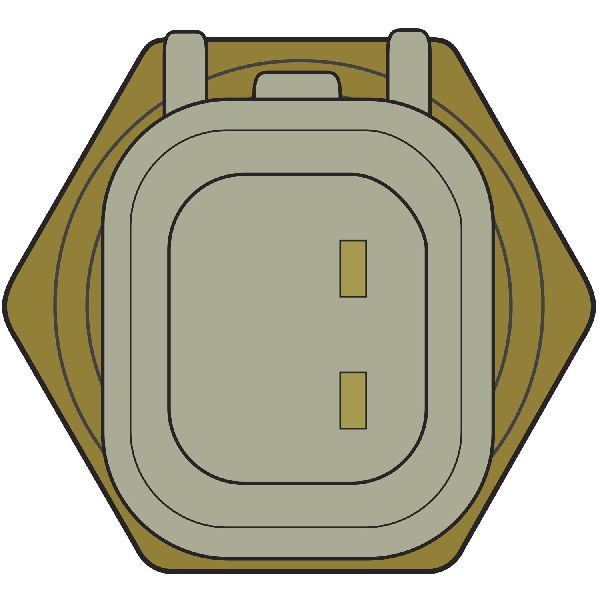
Typically a 2-pin thermistor sensor that screws into a coolant passage in the engine block or cylinder head.
We Have This Part in Stock


The information in this article is provided for general reference and educational purposes only. Vehicle specifications, procedures, and part compatibility can vary by production date, trim level, and region. Always consult your vehicle's factory service manual and verify part numbers before purchasing or performing repairs. Safety-critical components such as airbags, seat belts, and braking systems should be installed by a qualified professional.
- Ford Escape: