

Ford Escape Engine Cylinder Head Temperature (CHT) Sensor Guide (2001-2012)
Understanding the critical sensor that protects your Escape's engine from overheating.
- A sudden overheating warning with power loss is the classic symptom of a failed CHT sensor, often triggering code P1299.
- Verify if your engine uses a CHT (measures metal temp) or ECT (measures coolant temp) sensor; they are not interchangeable.
- The sensor's location varies greatly between 4-cylinder (easy access) and V6 (difficult access) engines.
- For this critical, low-cost part, choosing an OEM (Motorcraft) or premium aftermarket brand is recommended over budget options to ensure reliability.
Is Your Escape Falsely Overheating? It Could Be the CHT Sensor.
If your 2001-2012 Ford Escape's temperature gauge suddenly spikes to HOT and the engine goes into a low-power "limp mode," the Engine Cylinder Head Temperature (CHT) sensor is a primary suspect. This sensor's failure often causes a false overheating signal, even on a cold engine. Because the PCM thinks the engine is in danger, it activates a fail-safe strategy to protect it, which can be alarming for the driver. Understanding the symptoms and choosing the right replacement part is key to a reliable fix.
Symptoms of a Failing CHT Sensor
- Sudden Overheating Warning: The temperature gauge shoots to the red and a warning light or message appears, often right after starting the vehicle.
- Limp Mode Activation: The vehicle abruptly loses power as the PCM limits engine performance to prevent damage. This is often accompanied by the P1299 trouble code. 🎬 See how to diagnose a P1299 code and false overheating.
- Check Engine Light: A constant Check Engine Light is common, with codes like P1299 (Cylinder Head Over-temperature Protection Active) or P1289 (CHT Sensor High Input).
- Cooling Fans Run Constantly: The cooling fans may run on high speed at all times because the computer receives a constant "hot" signal.
- Reduced Fuel Economy: The PCM may enrich the fuel mixture based on the bad sensor reading, causing the engine to burn more gas than necessary.
- Hard Starting: The engine may crank for a long time before it starts because the computer can't set the proper air-fuel ratio for a cold start.
CHT vs. ECT: A Critical Difference
Your specific Escape engine may use either a Cylinder Head Temperature (CHT) sensor or an Engine Coolant Temperature (ECT) sensor. They are not interchangeable. The CHT sensor reads metal temperature, while the ECT reads coolant temperature. Always verify which sensor your engine requires before purchasing a replacement.
Choosing the Right Aftermarket CHT Sensor
While saving money on parts is always a goal, the CHT sensor is a critical component where quality matters more than a few dollars. A cheap, unreliable sensor can leave you stranded with false overheating symptoms. Here’s a breakdown of your options:
| Brand Tier | Brands | Assessment |
|---|---|---|
| Premium Aftermarket | Standard Ignition (SMP), Walker Products, Motorad | These are established brands known for producing reliable sensors. They are generally considered a safe alternative to OEM, often balancing quality and cost effectively. |
| Economy Aftermarket | Dorman, Global Parts | Dorman is known for providing a wide range of parts, sometimes with design improvements. However, for critical sensors, community feedback is often mixed regarding long-term reliability compared to OEM. These parts can be a budget-friendly option, but carry a slightly higher risk of premature failure. |
| OEM | Motorcraft | For peace of mind, the original Motorcraft sensor is the benchmark for fit, function, and reliability. Given the low part cost and the sensor's important function, choosing OEM is a highly recommended path. |
Pro Tip: Check the Connector First!
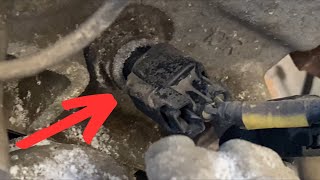
Before replacing the sensor, closely inspect its electrical connector and wiring. On some engines, particularly the 4-cylinders, the sensor is located in a recess on the head where water can collect, leading to corrosion. A corroded or damaged connector pigtail can cause the exact same symptoms as a bad sensor. Sometimes, replacing only the connector is all that's needed.
Frequently Asked Questions (FAQ)
Where is the CHT sensor located on my Ford Escape?
The location varies by engine. On the 3.0L V6, it is notoriously difficult to access, located on the rear cylinder head under the intake manifold. 🎬 Watch this walkthrough for accessing the V6 sensor location. On 4-cylinder engines (2.0L, 2.3L, 2.5L), it is much easier to find, typically recessed in the cylinder head between the two center spark plugs/ignition coils.
Can I replace the CHT sensor myself?
For 4-cylinder models, this is a very DIY-friendly job. For 3.0L V6 models, it is more difficult due to the location requiring removal of other components for access. A special tool, like an extra-deep 19mm socket or a lawnmower spark plug socket, is often needed to clear the long electrical connector.
Are there any recalls for the CHT sensor on the 2001-2012 Escape?
No, there are no specific recalls for the CHT sensor itself within this year range. However, Ford has issued several major cooling system recalls for later model Escapes (2013+) that involved risks of cylinder heads cracking and engine fires, highlighting the importance of addressing any overheating issue promptly.
What happens if I ignore a bad CHT sensor?
Ignoring it is not recommended. While the fail-safe mode is designed to protect the engine, continued driving can be unsafe due to the lack of power. More importantly, if the sensor fails in a way that it *doesn't* report a true overheating condition, you risk severe engine damage like a warped cylinder head or blown head gasket.
Helpful Videos

Technical Specifications
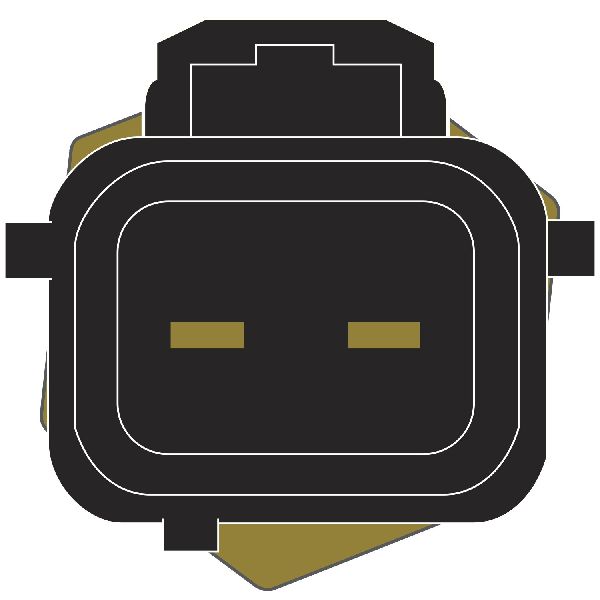
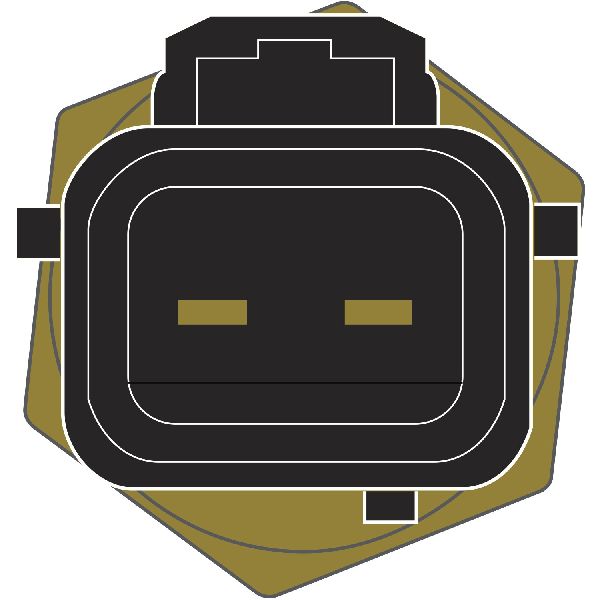
OEM Part Numbers: 9L8Z-6G004-E 9L8Z-6G004-B 9L8Z-6G004-A 1S7Z-6G004-AA YS4Z-6G004-AB
This is a thermistor-type sensor that threads directly into the cylinder head. It typically requires a 19mm or 3/4" extra-deep, thin-wall socket for removal and installation due to its long connector body.
We Have This Part in Stock


The information in this article is provided for general reference and educational purposes only. Vehicle specifications, procedures, and part compatibility can vary by production date, trim level, and region. Always consult your vehicle's factory service manual and verify part numbers before purchasing or performing repairs. Safety-critical components such as airbags, seat belts, and braking systems should be installed by a qualified professional.
- Ford Escape: