

Ford Escape Horn Replacement Guide (2001-2012)
Diagnosing and replacing the horn on your first or second-generation Ford Escape.
- The most common horn problem is a weak sound, caused by one of the two horns failing.
- Always check the fuse and relay before buying a new horn; it's an easy and cheap fix.
- Replacement requires removing the front bumper cover to access the horns located underneath the headlight area.
- Aftermarket brands like Hella and Standard Ignition offer reliable, cost-effective alternatives to OEM parts.
Is Your Ford Escape Horn Not Working?

A silent or weak-sounding horn is a common issue on the 2001-2012 Ford Escape. Due to their location, the horns are exposed to road debris and moisture, which can cause them to fail over time. Before you assume the horn itself is broken, there are a few simple checks you can perform that might save you time and money.
Common Symptoms of Horn Failure
- Weak or "Tinny" Sound: This is the most frequent symptom. It usually means one of the two horns (high or low note) has failed, leaving the other to sound off by itself.
- No Sound at All: If you press the horn button and hear nothing, the problem could be a blown fuse, a bad relay, a wiring issue, or a complete failure of both horn units.
- Clicking Noise from Fuse Box: Hearing a click when you press the horn button is actually good news. It typically means the switch in your steering wheel and the horn relay are working. The problem is likely the horn assembly itself or the wiring leading to it.
- Horn Works Intermittently: A horn that works sporadically often points to a loose electrical connection or a failing horn relay.
First, Check the Fuse and Relay
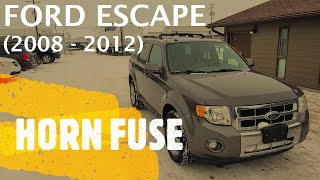
Always check the simple things first. The horn fuse is the most common point of failure after the horn itself. For 2008-2012 models, the horn fuse (#24, 20A) is in the passenger cabin fuse box, next to the passenger's left foot. 🎬 Watch: How to find the horn fuse on 2008-2012 models For earlier models, consult your owner's manual for the specific location. If the fuse is good, the next step is to check the horn relay, which is typically in the under-hood fuse box. Swapping it with a known good relay of the same type is an easy way to test it.
Choosing the Right Aftermarket Horn

When it comes to replacing the horn on your Escape, you have several options. OEM horns can be expensive, and aftermarket parts offer a reliable and cost-effective alternative. Most aftermarket horns are designed to be direct-fit replacements, often using the same mounting points and electrical connectors.
Aftermarket Brand Tiers
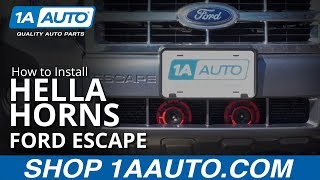
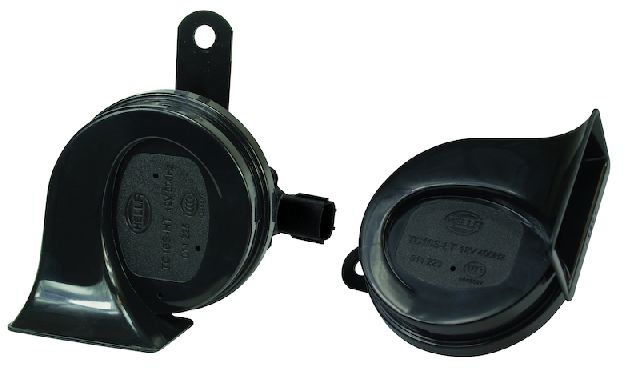
- Hella: Often considered a premium aftermarket brand, Hella horns are known for being loud and reliable. They are a popular upgrade for drivers who want a more authoritative sound than the factory horn. They may require minor wiring modifications but are a solid choice for longevity and performance. 🎬 See this walkthrough for installing Hella horns on your Escape
- Standard Ignition: This brand is a well-regarded OE-style replacement. A horn from Standard Ignition will typically look, fit, and sound just like the original factory part. It's a dependable choice if you simply want to restore the horn's original function without any modifications.
- Replacement: This is a budget-friendly option that gets the job done. These horns meet basic specifications and are a good choice if cost is your primary concern. While they may not have the same robust build quality as premium brands, they provide a functional and affordable solution.
A Note on High vs. Low Tone
Your Escape uses both a high-note and a low-note horn. When replacing only one, be sure to order the correct one to restore the proper sound. If you are replacing both, they are often sold as a set.
Installation Overview

Replacing the horn on a 2001-2012 Escape is a straightforward job for a DIYer. The horns are typically located behind the front bumper cover, often near the driver's side headlight. For some model years, especially earlier ones, one horn may be on the driver's side and the other on the passenger's side. Access usually requires removing the front bumper cover, which involves undoing several clips and bolts. Once accessed, the horn is typically held on by a single bolt and has a simple electrical connector.
| Item | Estimated Cost |
|---|---|
| New Aftermarket Horn | $36.29 - $73.59 |
| Shop Labor | $100 - $200 |
| OEM Horn | $60 - $100+ |
Frequently Asked Questions

Where are the horns located on my 2001-2012 Ford Escape?
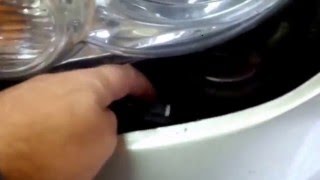
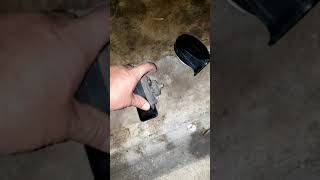
On most 2001-2012 Escapes, the horns are located behind the front bumper, usually under the driver's side headlight. However, on some earlier models (around 2002), one horn is on the driver's side and the low-tone horn is on the passenger's side. 🎬 Watch: Step-by-step horn replacement for early Ford Escape models Accessing them requires removing the front bumper cover.
Do I need to replace both horns at the same time?
Not necessarily. If only one horn has failed, you can replace just that one. However, since they are the same age and have been exposed to the same conditions, the other one may not be far behind. Replacing them as a pair ensures a perfectly matched tone and saves you from having to do the job twice.
Could the problem be the clock spring?
Yes, though it's less common than a failed horn or fuse. The clock spring is a component in the steering column that maintains electrical contact for the airbag and horn as you turn the wheel. If other steering wheel controls are also malfunctioning, the clock spring is a more likely suspect. However, if you hear a clicking from the relay when you press the horn, the clock spring is likely working correctly.
Are there any recalls for the Ford Escape horn?
No, searches of the NHTSA database did not find any specific recalls for the horn assembly on the 2001-2012 Ford Escape. Any horn failures are typically due to age and wear rather than a manufacturing defect.
Helpful Videos
Technical Specifications
OEM Part Numbers: 6L8T-13801-CB 6L8T-13802-DB
System uses a dual-horn setup (high note and low note). Fuse for 2008-2012 models is typically a 20A fuse in the interior passenger-side fuse panel (Fuse #24). Earlier models may vary. Horns are typically mounted behind the front bumper cover.
We Have This Part in Stock


The information in this article is provided for general reference and educational purposes only. Vehicle specifications, procedures, and part compatibility can vary by production date, trim level, and region. Always consult your vehicle's factory service manual and verify part numbers before purchasing or performing repairs. Safety-critical components such as airbags, seat belts, and braking systems should be installed by a qualified professional.
- Ford Escape: