

Ford Escape Throttle Position Sensor: A Guide for 2001-2012 Models
Fix your Escape's hesitation, stalling, or rough idle by understanding its throttle position sensor.
- First, confirm if your 2001-2008 Escape has a separate, replaceable sensor before purchasing.
- Later models (2009-2012) have an integrated sensor, requiring full throttle body replacement for a fix.
- A faulty TPS can cause symptoms that mimic a bad transmission, like hard or late shifts.
- For this critical part, choosing an OEM (Motorcraft) or top-tier aftermarket brand like NGK or Delphi is recommended for longevity.
Is It the Sensor or the Whole Throttle Body?

CRITICAL: Before buying, you must know what your Escape needs.
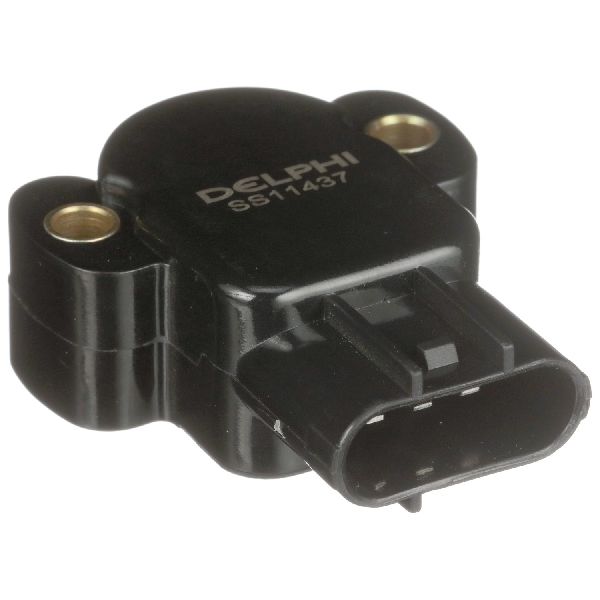
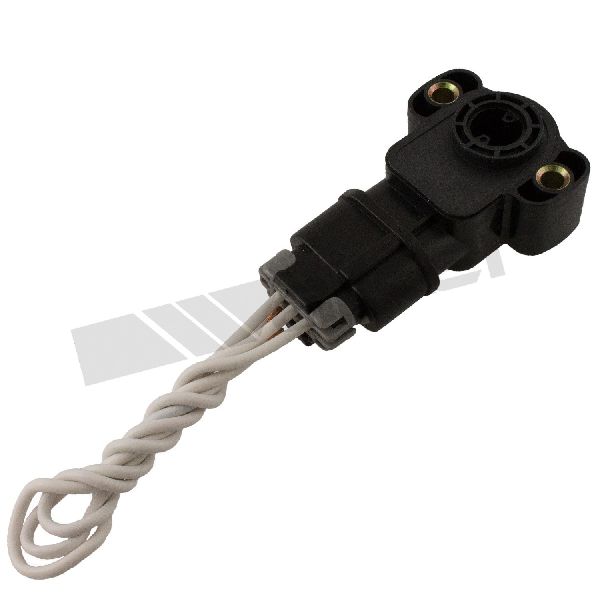
- 2001-2008 Models: Most Escapes in this range, particularly with the 2.0L, 2.3L, and 3.0L V6 engines, use a separate, bolt-on Throttle Position Sensor (TPS). This part is inexpensive and simple to replace.
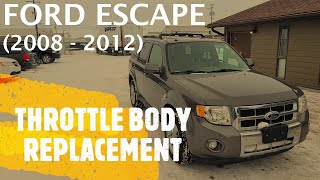
- 2009-2012 Models: These later models use an Electronic Throttle Body (ETB) where the sensor is built-in and not sold separately. If the sensor fails on these models, you must replace the entire throttle body assembly 🎬 Watch: Step-by-step guide to replacing the full throttle body assembly., which is a more costly repair.
This guide focuses on the separate, replaceable sensor found on earlier models.
Symptoms of a Failing Throttle Position Sensor

A bad TPS can make your Escape frustrating to drive. The computer gets bad information and can't properly manage the engine. Common signs include:
- Hesitation or Stumbling: The engine may hesitate or stumble when you accelerate.
- Rough or Unstable Idle: Your engine might idle roughly, or the RPMs may surge up and down for no reason.
- Stalling: The engine may stall unexpectedly, either at idle or while driving.
- Poor Acceleration: The vehicle feels sluggish and lacks power when you press the gas pedal.
- Transmission Shifting Problems: On automatic models, a bad TPS can cause delayed or hard shifts.
- Check Engine Light: The computer will often trigger a Check Engine Light with codes like P0121, P0122, or P0123.
Known Issues: Recalls and TSBs

Your Escape's throttle system has been the subject of factory actions, but it's important to know the details:
- Stuck Throttle Recall (2001-2004 V6): A recall (NHTSA #12V-353) was issued because the cruise control cable could get caught on the engine cover, causing the throttle to stick. This is a mechanical problem, not a failure of the TPS itself.
- Throttle Body Failures (2005-2012): Widespread issues with the entire electronic throttle body (ETB) on later models caused stalling and surging, leading to an NHTSA investigation and a Ford customer satisfaction program (13N03). This problem required replacing the whole ETB, not just a sensor.
Choosing the Right Aftermarket Sensor

For 2001-2008 models where the sensor is replaceable, you have options. While even budget brands can work, engine sensors are a critical component where quality matters. A cheap, poorly made sensor can fail quickly or provide inaccurate readings, leaving you with the same problems.
Pro Tip: For a critical sensor like the TPS, choosing a well-regarded brand is often worth the small extra cost to avoid doing the job twice.
Brand Quality Tiers
- Top Tier (OEM & Premium Aftermarket): Motorcraft is the Ford original part and the safest bet. NGK (NTK) and Delphi are excellent aftermarket choices, known for making parts for automakers and having strong quality control.
- Mid Tier (Trusted Aftermarket): Brands like Standard Ignition (SMP) and Walker Products are well-established in the aftermarket and offer a good balance of price and reliability.
- Economy Tier: Brands like Global Parts, True Tech, and generic Replacement parts are the most affordable. They can be a viable option for a budget repair, but may have a higher risk of premature failure compared to premium brands.
| Item | Estimated Cost |
|---|---|
| New Aftermarket TPS | $16 - $55 |
| New OEM (Motorcraft) TPS | $35 - $60 |
| Shop Labor | $46 - $85 |
| Total Professional Replacement | $61 - $140 |
Frequently Asked Questions

Can I just clean my throttle position sensor?
No. The TPS is a sealed electronic sensor. The problems come from internal wear, not dirt. While cleaning the throttle body itself is good maintenance, it will not fix a failing TPS.
Do I need to reset the computer after replacing the TPS?
It is a good practice. After installing the new sensor, you can reset the computer by disconnecting the negative battery terminal for about five minutes. This clears any old fault codes and allows the computer to learn the values from the new sensor. Some modern vehicles have a more specific relearn procedure, but a battery reset is often sufficient for these models.
Can a bad TPS look like a transmission problem?
Yes. Because the TPS signal is used by the computer to control automatic transmission shifts, a bad sensor can cause hard, erratic, or delayed shifting, making you think you have a serious transmission issue. If you have shifting problems combined with engine symptoms, the TPS is a likely suspect.
How do I know if I need the sensor or the whole throttle body?
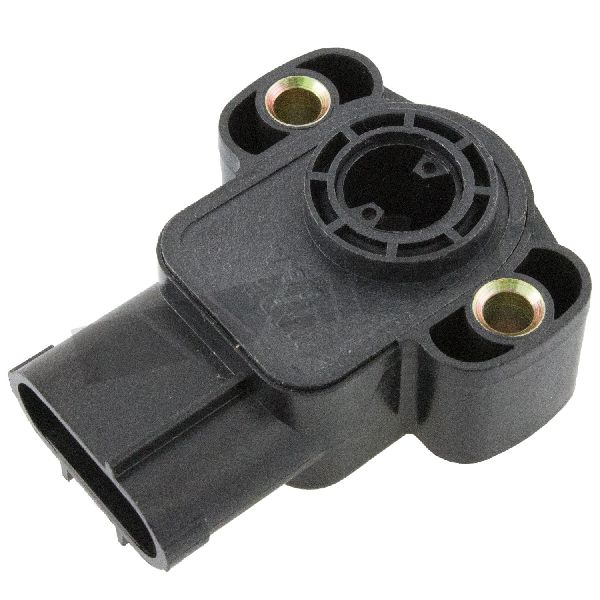
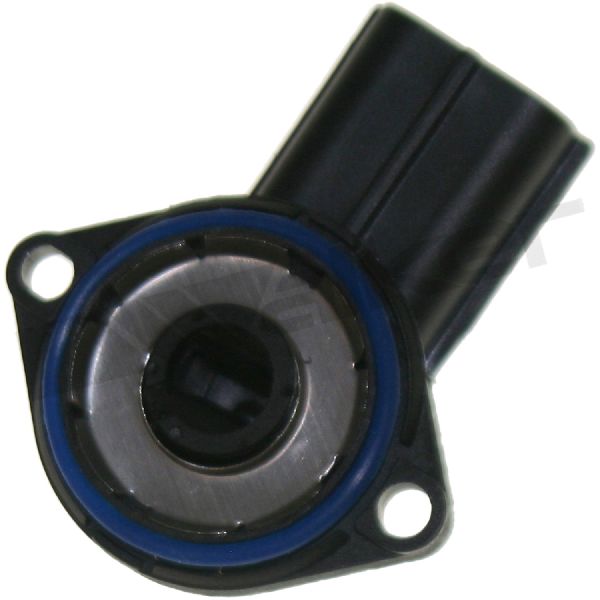
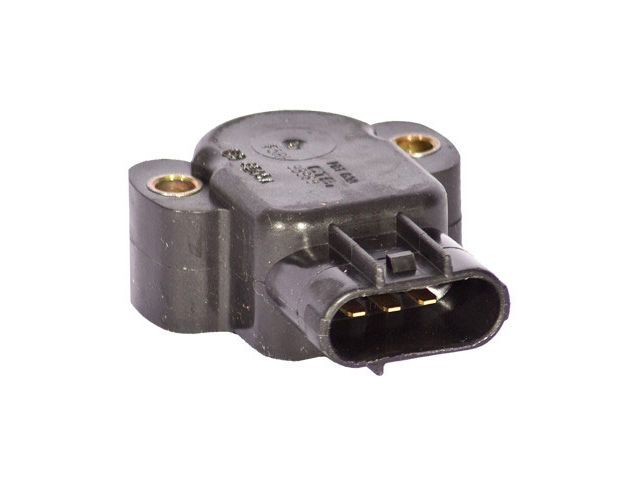
Visually inspect the throttle body on your engine. If you see a small, separate plastic sensor with its own wiring connector and two screws holding it to the side of the main throttle body assembly, you can replace just the sensor. If you do not see a separate part (common on 2009-2012 models), the sensor is integrated, and the entire throttle body must be replaced when it fails.
Helpful Videos

Technical Specifications
OEM Part Numbers: F5RZ-9B989-BA YS4Z-9B989-BB DY-968
3-pin, throttle body mounted potentiometer.
We Have This Part in Stock


The information in this article is provided for general reference and educational purposes only. Vehicle specifications, procedures, and part compatibility can vary by production date, trim level, and region. Always consult your vehicle's factory service manual and verify part numbers before purchasing or performing repairs. Safety-critical components such as airbags, seat belts, and braking systems should be installed by a qualified professional.
- Ford Escape: