

Your Guide to the 2001-2012 Ford Ranger A/C Compressor
Everything a Ranger owner needs to know when their A/C compressor fails and it's time for a replacement.
- A failed A/C clutch is the most common problem for this Ranger generation; check if the clutch is engaging before condemning the whole compressor.
- You MUST replace the accumulator/drier and orifice tube with the compressor, or the new one will fail quickly.
- If the old compressor failed internally ('Black Death'), the condenser and other parts must be replaced and the system flushed to avoid repeat failure.
- For long-term reliability, choose an OEM-equivalent brand like Denso or Valeo over cheaper, lower-quality options.
Is Your Ranger's A/C Compressor Failing?
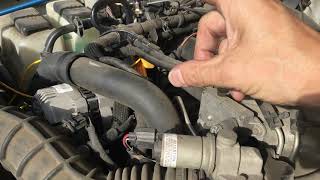
A failing A/C compressor in your 2001-2012 Ford Ranger can show several signs. The most obvious is warm air blowing from the vents when the A/C is on. You might also hear strange noises when you activate the air conditioning, like grinding or squealing, which could point to a bad bearing or internal failure. A very common issue on this Ranger generation is the A/C clutch failing to engage. You might notice the center part of the compressor pulley isn't spinning, even when the A/C is on max. In some cases, the clutch might cycle on and off rapidly or not engage at all until the engine is at a higher RPM.
A Critical Warning: Compressor "Black Death"
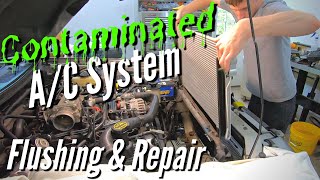
If your compressor has failed internally, it can spread metal shavings and contaminated oil throughout the entire A/C system. This is known as "Black Death." This dark, gritty sludge will clog other components and cause your new compressor to fail almost immediately. If you suspect this type of failure, you MUST replace the compressor, accumulator/drier, and orifice tube. You also need to thoroughly flush the evaporator and lines, and in many cases, replace the condenser as it cannot be flushed effectively.
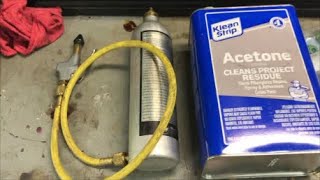
🎬 See how to properly flush and recharge a contaminated A/C system.Choosing the Right Aftermarket Compressor
When shopping for a new aftermarket A/C compressor for your Ranger, you'll find several brands. They generally fall into a few quality tiers.
Tier 1: OEM & OEM-Equivalent Brands
- Motorcraft: This is the original Ford part. It offers guaranteed fit and performance but comes at the highest cost.
- Denso & Valeo: Denso is a well-regarded OEM supplier for many car manufacturers, including Ford for some components. They are known for high quality and reliability that often matches or exceeds the original part, but at a lower price than Motorcraft. Valeo is another brand often cited for its OEM-level quality. For many experienced mechanics, these are the go-to choices for a balance of quality and cost.
Tier 2: Reputable Aftermarket Brands
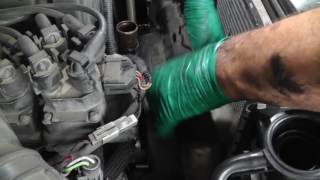
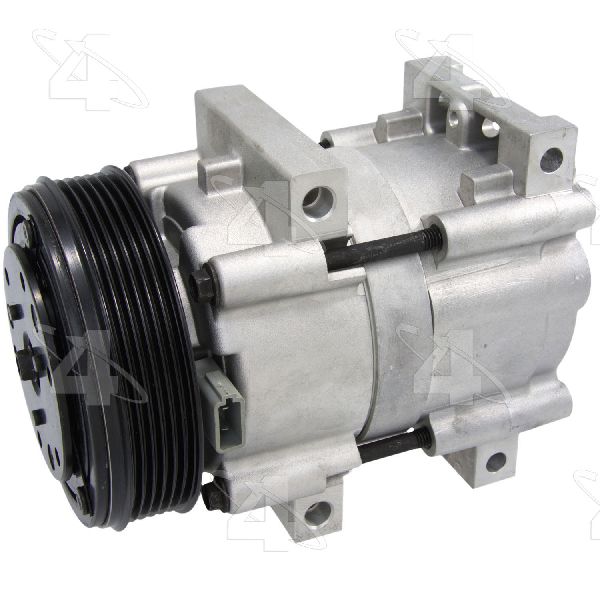
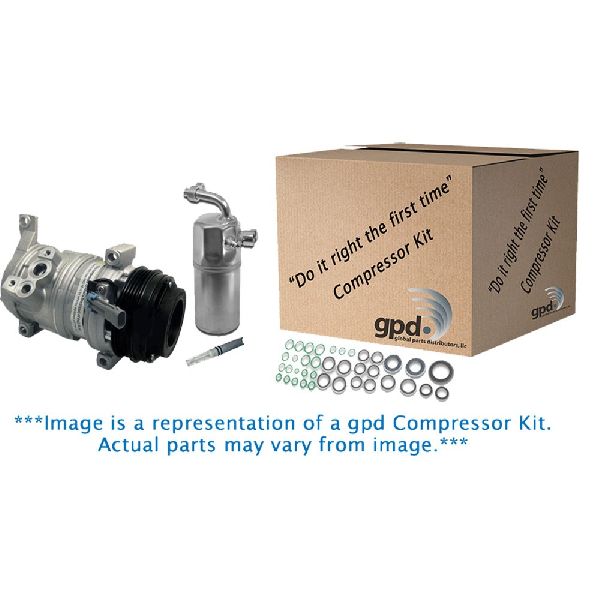
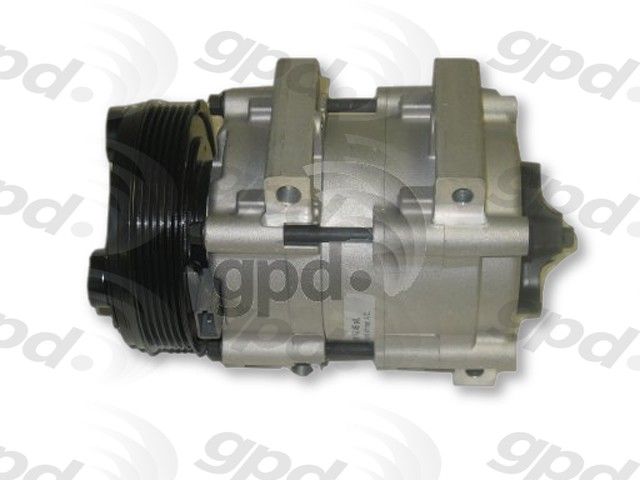
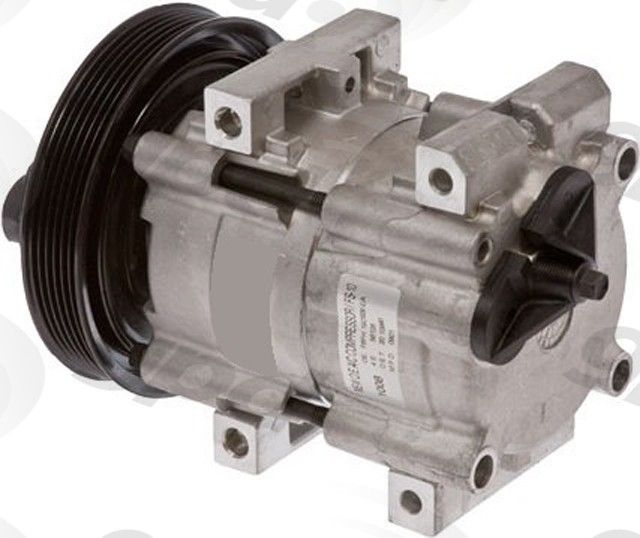
- Four Seasons & Global Parts (GPD): These are some of the most common brands you'll find in auto parts stores and online. Quality can be mixed; some users report years of good service, while others experience premature failures. A major advantage is that they often sell complete kits that include the compressor, accumulator, orifice tube, and necessary seals, which is highly recommended for a proper repair. 🎬 Watch this walkthrough of a complete Ford Ranger A/C kit replacement.
Tier 3: Economy Brands
- Replacement / Store Brands: These are typically the cheapest option. They are often private-label parts with unknown manufacturing origins. While the low price is tempting, quality and longevity can be a gamble. If you are on a tight budget and plan to sell the truck soon, this might be an option, but for long-term reliability, it's often better to invest in a higher-tier brand.
Pro Tip: Always Replace as a Kit
Regardless of the brand you choose, always replace the A/C accumulator (also called a receiver/drier) and the orifice tube when you install a new compressor. The accumulator contains a desiccant that absorbs moisture, and it can only hold so much. A new compressor warranty is almost always void if you don't replace these other small, inexpensive parts. Failing to do so is the #1 cause of premature new compressor failure.
Cost at a Glance
Here is a general idea of what you can expect to pay. Prices vary based on brand, your specific Ranger model year, and labor rates in your area.
| Part / Service | Estimated Cost |
|---|---|
| New Aftermarket Compressor | $175 - $612 |
| New OEM (Motorcraft) Compressor | $579 - $763 |
| Shop Labor & System Recharge | $156 - $392 |
| Total Professional Replacement | $735 - $1200+ |
Frequently Asked Questions
Can I just replace the A/C clutch?
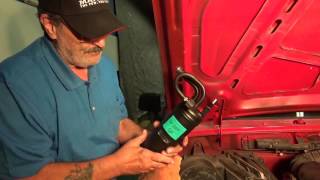
Sometimes. If the compressor itself is still good and only the clutch has failed, you can often replace just the clutch assembly. A common issue on these Rangers is an excessive air gap in the clutch, which can sometimes be fixed by removing a shim. 🎬 Watch: How to adjust the clutch gap and recharge the system. However, the labor to replace the clutch can be similar to replacing the whole compressor, and if the compressor's front seal is leaking, you should replace the entire unit.
Do I have to be a certified mechanic to do this job?
Mechanically, swapping the compressor is a job a skilled DIYer can do. However, the A/C system's refrigerant (R134a) is environmentally regulated. It is illegal to vent it into the atmosphere. The system must be properly evacuated with a special machine before you begin work and then vacuum-tested and recharged afterward. For this reason, most of the job is best left to a professional shop with the right equipment.
What are the accumulator and orifice tube?
The accumulator is a small canister that removes moisture from the refrigerant and stores excess oil. The orifice tube is a small filter with a precisely sized opening that controls the flow of refrigerant into the evaporator. Both are critical to the A/C system's health and must be replaced with the compressor for your new part to last.
Were there any recalls on the A/C compressor for this Ranger?
No. Searches of the National Highway Traffic Safety Administration (NHTSA) database show no recalls specifically for the A/C compressor on the 2001-2012 Ford Ranger. Any Technical Service Bulletins (TSBs) found for A/C issues on Rangers typically apply to newer model years and are not relevant to the compressor on the 2001-2012 generation.
Helpful Videos
Technical Specifications
OEM Part Numbers: 1L5H-19D629-AB 6L5Z-19703-A F87Z-19703-AB
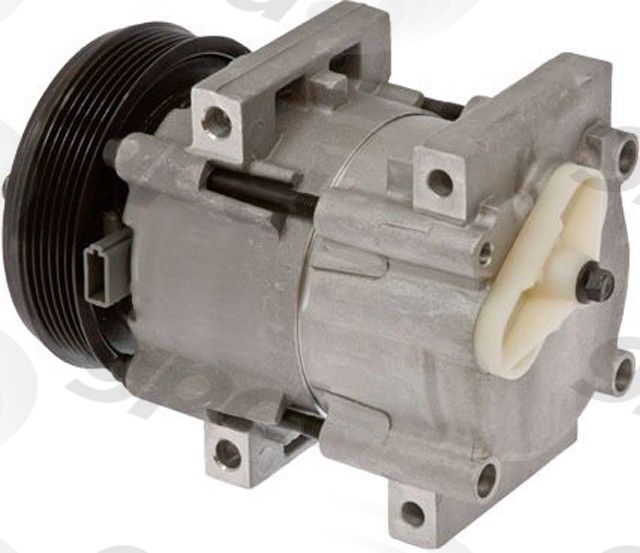
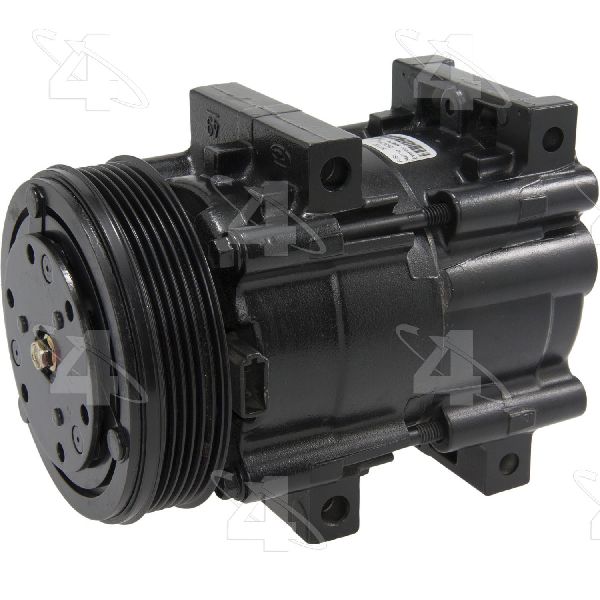
Uses FS10 style compressor. System uses R134a refrigerant.
We Have This Part in Stock

The information in this article is provided for general reference and educational purposes only. Vehicle specifications, procedures, and part compatibility can vary by production date, trim level, and region. Always consult your vehicle's factory service manual and verify part numbers before purchasing or performing repairs. Safety-critical components such as airbags, seat belts, and braking systems should be installed by a qualified professional.
- Ford Ranger:
- 🎬 Helpful Videos
- 🛍️ Shop This Part
- Is Your Ranger's A/C Compressor Failing?
- A Critical Warning: Compressor "Black Death"
- Choosing the Right Aftermarket Compressor
- Tier 1: OEM & OEM-Equivalent Brands
- Tier 2: Reputable Aftermarket Brands
- Tier 3: Economy Brands
- Pro Tip: Always Replace as a Kit
- Cost at a Glance
- Frequently Asked Questions
- 🎟️ Get 5% Off