

Ford Ranger Engine Camshaft Position Sensor Guide (2001-2012)
Fix your Ranger's stalling, rough idle, or no-start issue by understanding this critical engine sensor.
- On 3.0L and 4.0L V6 engines, a 'chirping' noise means the entire synchronizer assembly likely needs replacement, not just the sensor.
- A P0340 code is the most common indicator of a failed sensor, but can also point to wiring issues or a bad synchronizer.
- For reliability, choose an OEM Motorcraft part or a premium aftermarket brand like Delphi, Denso, or NGK.
- Replacing the full synchronizer assembly on V6 models is complex and requires a special alignment tool to prevent engine damage.
Understanding Camshaft Position Sensor Failure in Your Ranger

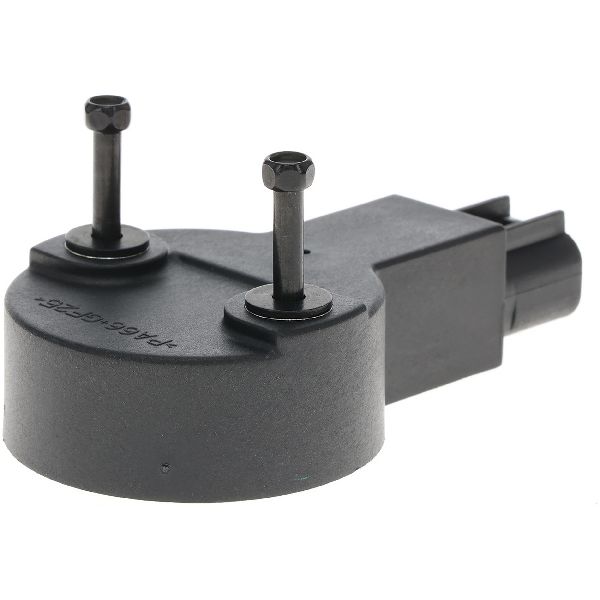
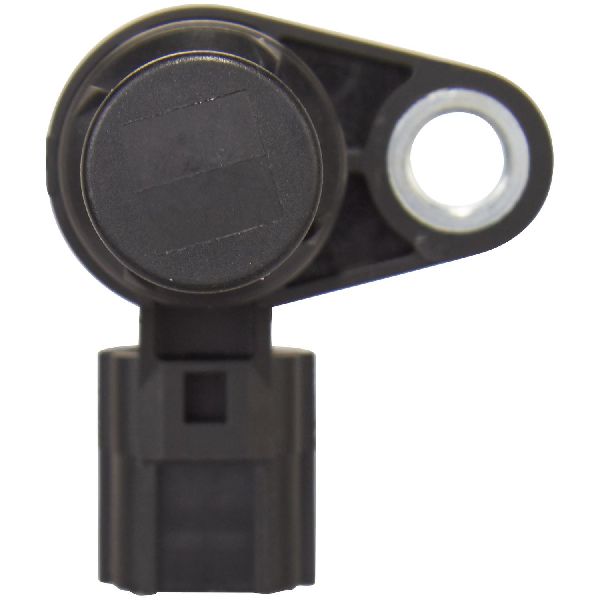
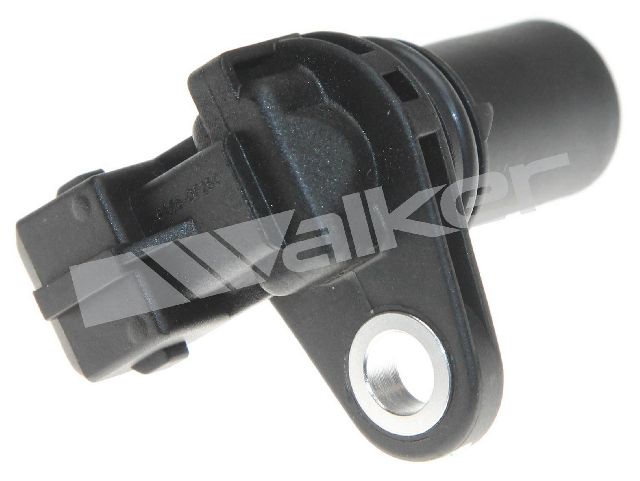
If you're dealing with a Check Engine Light and your truck is running rough, a faulty camshaft position sensor is a common suspect. This sensor is critical for engine timing, and when it fails, it can cause a range of noticeable problems. On the 3.0L and 4.0L V6 engines, the sensor is often part of a larger assembly called a camshaft synchronizer, which looks like a small distributor and is located at the back of the engine. On the 2.3L 4-cylinder, it's a simpler sensor typically found on the back of the valve cover.
A Note on the Camshaft Synchronizer (3.0L & 4.0L V6)
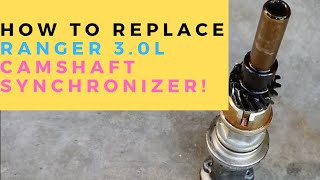
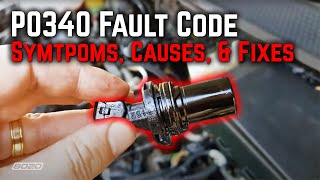
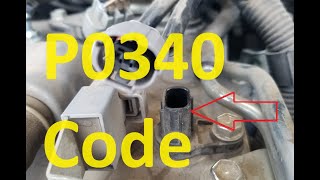
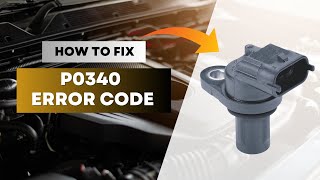
For V6 Ranger owners, it's important to know that the camshaft position sensor sits on top of a camshaft synchronizer. This synchronizer is a mechanical part with a gear that drives the oil pump. A common failure is for the synchronizer's internal bushings to wear out, causing a distinct "chirping" sound, often mistaken for a bad belt or pulley. 🎬 Listen: Hear the specific chirping sound of a failing synchronizer. If left ignored, the synchronizer can fail completely, destroying its gear and causing the sensor to stop reading. In a worst-case scenario, this failure can lead to a loss of oil pressure and severe engine damage. Often, the sensor (P0340 code) is blamed when the root cause is the failing synchronizer 🎬 See how to diagnose and fix a P0340 sensor code. assembly underneath it.
Choosing the Right Aftermarket Sensor

When it comes to electronic sensors, quality matters. While budget-friendly options are available, many experienced technicians and Ranger owners recommend sticking with well-known brands to avoid replacing the part again in a few months. Cheap sensors are known for higher failure rates and can cause persistent, hard-to-diagnose issues.
Brand Quality Tiers for Your Ford Ranger
- Tier 1: OEM & Premium Aftermarket (Recommended): Motorcraft is the original Ford part and offers the best guarantee of compatibility and longevity. Premium brands like Delphi, Denso, and NGK/NTK are often original equipment suppliers to many automakers and are trusted for their quality and reliability.
- Tier 2: Quality Aftermarket: Brands like Standard Motor Products (SMP) and Hitachi offer a good balance of quality and price. They are a solid choice if an OEM part isn't in the budget.
- Tier 3: Economy Brands: This category includes brands like Dorman and various private-label store brands. While the price is attractive, forum discussions frequently mention early failures with these parts, sometimes within a year. It may be a temporary fix, but be prepared for the possibility of a repeat repair.
| Part Type | Estimated Cost |
|---|---|
| New OEM (Motorcraft) | $74 - $115 |
| New Aftermarket | $17.35 - $70.26 |
| Shop Labor | $81 - $119 |
Pro Tip: Check for TSBs and Recalls
While no specific recalls for the camshaft position sensor on 2001-2012 Rangers were found during research, Ford did issue a Technical Service Bulletin (TSB 02-22-1) related to issues from incorrect installation of the gear-driven synchronizer assembly on models including the Ranger. This can cause codes like P0340, poor fuel economy, and rough running. This highlights the importance of proper installation, especially on the V6 models.
Frequently Asked Questions

Where is the camshaft position sensor located on my Ford Ranger?
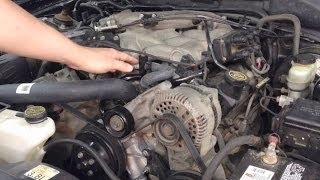
The location depends on your engine. For the 2.3L 4-cylinder, it's typically mounted on the rear of the valve cover. For the 3.0L and 4.0L V6 engines, the sensor is mounted on top of the camshaft synchronizer assembly, which is at the very back of the engine block, near the firewall. It can be difficult to reach.
Can I replace this sensor myself?
For a 2.3L engine, the replacement is straightforward for a DIYer, involving a single bolt and a wiring connector. For the V6 engines, if you are only replacing the sensor on top of the synchronizer, the job is also relatively simple with just two small bolts. However, if you need to replace the entire synchronizer assembly, the job is much more complex. It requires setting the engine to Top Dead Center (TDC) for cylinder #1 and using a special alignment tool to ensure the new synchronizer is installed in the correct position. Failure to do this correctly can result in incorrect engine timing and potential engine damage.
🎬 Watch: Step-by-step guide to replacing the camshaft synchronizer assembly.What happens if I don't replace a failing sensor?
Ignoring a bad camshaft position sensor can lead to progressively worse symptoms. You'll experience poor fuel economy, hesitation, and stalling. Eventually, the truck may fail to start at all, leaving you stranded. On V6 models, ignoring the chirping sound of a failing synchronizer can lead to catastrophic engine failure from loss of oil pressure.
Should I replace the crankshaft position sensor at the same time?
Not necessarily. The camshaft (CMP) and crankshaft (CKP) position sensors work together, but you should only replace the part that has failed. A diagnostic scan tool will provide specific codes to tell you which sensor circuit is having a problem. Replacing parts that aren't broken is an unnecessary expense.
Helpful Videos
Technical Specifications
OEM Part Numbers: 6C1112K073AC F4TZ-12K073-C F7TZ-12K073-B 2S7Q12K073BB
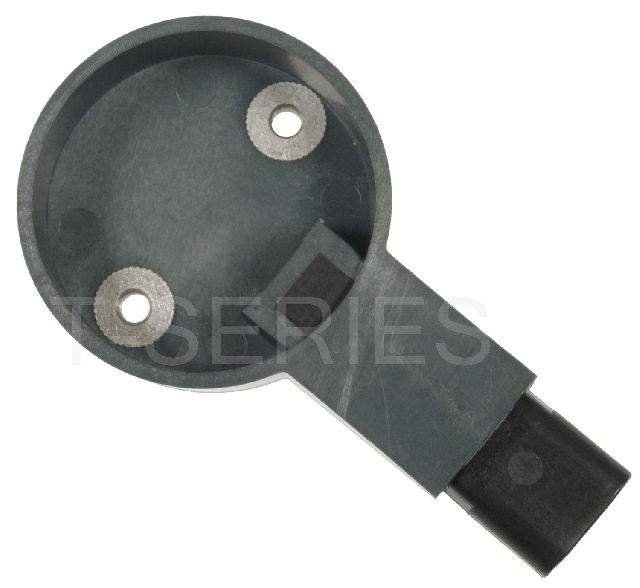
Varies by engine (2.3L, 3.0L, 4.0L). The sensor can be a 2-pin or 3-pin connector type. It is critical to verify the correct part for your specific engine and model year, as they are not interchangeable. V6 models use a sensor that mounts to a synchronizer assembly.
We Have This Part in Stock


The information in this article is provided for general reference and educational purposes only. Vehicle specifications, procedures, and part compatibility can vary by production date, trim level, and region. Always consult your vehicle's factory service manual and verify part numbers before purchasing or performing repairs. Safety-critical components such as airbags, seat belts, and braking systems should be installed by a qualified professional.
- Ford Ranger:
- 🎬 Helpful Videos
- 🛍️ Shop This Part
- Understanding Camshaft Position Sensor Failure in Your Ranger
- A Note on the Camshaft Synchronizer (3.0L & 4.0L V6)
- Choosing the Right Aftermarket Sensor
- Brand Quality Tiers for Your Ford Ranger
- Pro Tip: Check for TSBs and Recalls
- Frequently Asked Questions
- 🎟️ Get 5% Off