

Ford Ranger (2001-2012) Engine Coolant Temperature Sensor Guide
A bad coolant temperature sensor can cause poor performance and fuel economy in your Ford Ranger.
- Your Ranger likely has two temperature units: a two-wire sensor for the computer and a one-wire sender for the dash gauge.
- Symptoms of failure include poor MPG, rough idle, hard starts, and a Check Engine Light (P0117, P0118, P0128).
- Replacement is a manageable DIY task, but the sensor can be in a tight spot on 4.0L engines, often requiring thermostat housing removal.
- Choosing a quality brand like Motorcraft, Delphi, or NGK is recommended over the cheapest options for better reliability.
Understanding the Two Temperature Units in Your Ranger


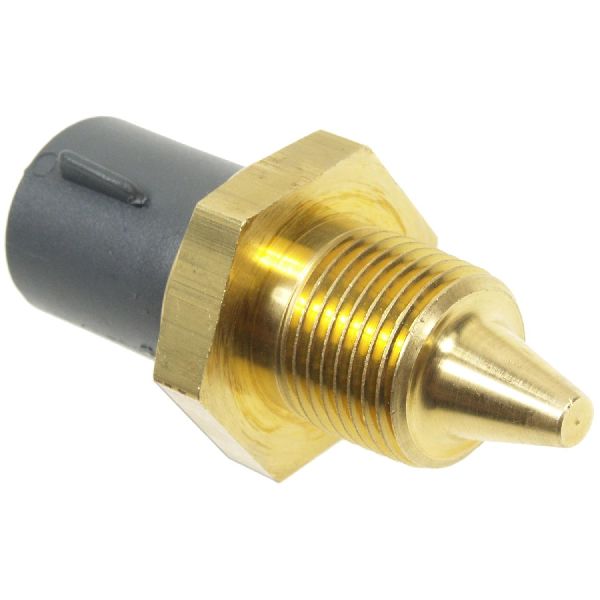
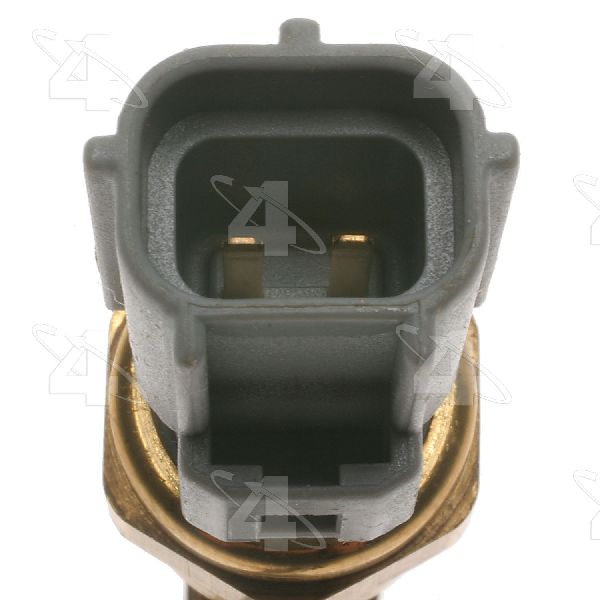
Many 2001-2012 Ford Rangers have two separate parts for reading coolant temperature. It's a common point of confusion. One is the Engine Coolant Temperature (ECT) Sensor, which has a two-wire connector. This sensor sends temperature data to the engine computer (PCM) to control engine performance. The other is the Coolant Temperature Sender, which has a one-wire connector. Its only job is to make the temperature gauge on your dashboard work. This guide focuses on the ECT sensor that affects how your engine runs.
Symptoms of a Failing ECT Sensor

When the ECT sensor starts to fail, it sends incorrect information to the engine's computer. The computer might think the engine is cold when it's hot, or hot when it's cold. This can lead to several noticeable problems:
- Check Engine Light: The most common sign is a check engine light with codes like P0117, P0118, or P0128. 🎬 Watch: EricTheCarGuy explains how to diagnose P0118 sensor codes.
- Poor Fuel Economy: If the sensor tells the computer the engine is always cold, the computer will inject extra fuel, causing your mileage to drop.
- Rough Idle: An incorrect fuel mixture from a bad sensor reading can make your engine idle poorly.
- Hard Starting: Especially when the engine is cold, a faulty sensor can make it difficult to start because the fuel mixture isn't right.
- Black Smoke from Exhaust: A very rich fuel mixture, caused by the computer thinking the engine is cold, can result in black smoke from the tailpipe.
- Cooling Fans Run Constantly or Not at All: The sensor helps control when the cooling fans turn on. If it fails, the fans might run all the time as a fail-safe, or not turn on when needed, risking overheating.
Known Issues & Recalls
Searches for the 2001-2012 Ford Ranger did not find any specific recalls or Technical Service Bulletins (TSBs) from Ford or the NHTSA directly related to the engine coolant temperature sensor itself. Most issues are related to normal wear and tear of the part. There was a recall (17S09) for some Ford vehicles related to installing a coolant level sensor, but this is a different part and system.
Choosing the Right Aftermarket Sensor

For a critical sensor like the ECT, quality matters. While saving money is tempting, a cheap, low-quality sensor can fail quickly or provide inaccurate readings, causing the same problems you were trying to fix. Sticking with a well-known brand is a safer bet than choosing the absolute cheapest option.
- OEM / Premium Brands (Motorcraft, NGK, Delphi): Motorcraft is Ford's original part brand and is the benchmark for quality and fit. Brands like NGK and Delphi have a strong reputation for producing reliable electronic components that meet or exceed OEM standards. These are your best choice for reliability.
- Standard Aftermarket (Standard Ignition, Walker Products, Four Seasons): These brands are well-established in the aftermarket and generally offer a good balance of quality and price. They are a reliable choice for most repairs.
- Economy Brands (Global Parts, True Tech): While these parts are the most affordable, their long-term reliability can be a gamble. They might be a suitable option for a temporary fix or if budget is the primary concern, but be aware that you may be replacing the part again sooner than you would with a higher-quality brand.
Common Ordering Mistake
The most common mistake is ordering the one-wire temperature sender for the gauge when you need the two-wire temperature sensor for the engine computer. Always verify which part you are replacing. If you have engine performance issues and fault codes, you need the two-wire sensor.
| Part Type | Estimated Cost |
|---|---|
| New Aftermarket ECT Sensor | $11.80 - $46.82 |
| New OEM (Motorcraft) ECT Sensor | $20 - $50 |
| Shop Labor for Installation | $80 - $150 |
Frequently Asked Questions

Where is the ECT sensor located on the 2001-2012 Ford Ranger?
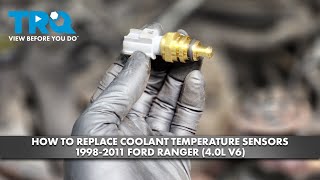
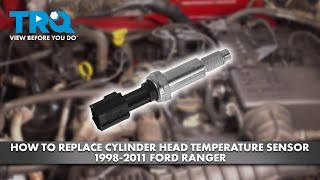
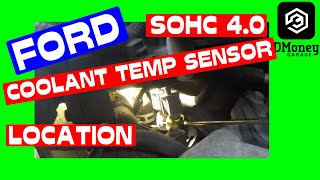
The location varies slightly by engine. On the 4.0L V6, the ECT sensor is located just behind the thermostat housing, below the intake manifold. 🎬 See this video to locate the sensor on 4.0L engines. On other engines like the 2.3L, it can be found near the top of the engine, often close to the thermostat housing. 🎬 Watch: How to replace the sensor on a 2.3L Ranger. There are often two sensors in the same area; the one for the computer has two wires.
Can I replace the ECT sensor myself?
Yes, this is a DIY-feasible job for someone with basic tools. However, on the 4.0L engine, the sensor is in a tight spot and may require removing the thermostat housing for access. It's also a good idea to replace the thermostat at the same time since you'll have the system apart. Be careful not to lose the small clip that holds the sensor in place.
What happens if I don't replace a bad ECT sensor?
Continuing to drive with a faulty ECT sensor can lead to long-term problems. You will experience poor fuel economy, which costs you money. A constantly rich fuel mixture can foul spark plugs and damage the catalytic converter over time. Most importantly, if the sensor fails to trigger the cooling fans, your engine could overheat, leading to severe and expensive damage like a cracked cylinder head.
Should I use Teflon tape on the new sensor?
It depends on the sensor type. If your Ranger uses a threaded sensor, many new sensors come with a sealant already applied to the threads. If not, a small amount of thread sealant or Teflon tape is recommended to prevent leaks. However, be careful not to cover the tip of the sensor, and ensure the sensor can still make a good ground connection if required by the design. Some Ranger sensors are held in by a clip and use an O-ring to seal, not threads.
Helpful Videos
Technical Specifications
OEM Part Numbers: DY1144 3F1Z-12A648-A SW5174
Varies by engine and function. The key difference is between the two-wire sensor for the PCM and the one-wire sender for the gauge. Some models use a clip-in style sensor, while others are threaded.
We Have This Part in Stock


The information in this article is provided for general reference and educational purposes only. Vehicle specifications, procedures, and part compatibility can vary by production date, trim level, and region. Always consult your vehicle's factory service manual and verify part numbers before purchasing or performing repairs. Safety-critical components such as airbags, seat belts, and braking systems should be installed by a qualified professional.
- Ford Ranger: