

Ford Taurus Oxygen Sensor Guide: 2001-2012 Models
Everything a Taurus owner needs to know about replacing a failing oxygen sensor.
- Your Taurus has four O2 sensors; identify the correct failing sensor using a scan tool before buying a replacement.
- For best results and to avoid compatibility issues, choose an OEM supplier like NTK or Denso, or the Ford-branded Motorcraft part.
- Accessing the rear bank (Bank 1) upstream sensor on the 3.0L V6 is difficult and may require removing the upper intake manifold.
- Always use a special O2 sensor socket for removal and installation to avoid damaging the sensor's wire.
Understanding Oxygen Sensor Failure in Your Taurus

A check engine light is the most common sign of a bad oxygen sensor. Using a scan tool can pull specific codes that point to the problem. You might also notice your gas mileage getting worse, a rough idle, or your car feeling sluggish. These issues happen because the engine's computer isn't getting the right information to manage the fuel mixture, leading to either too much fuel (running rich) or not enough (running lean). It's important to address these codes, as a failing sensor can lead to more significant problems, like a damaged catalytic converter.
Don't Ignore a Lean or Rich Code
🎬 Watch how lean codes affect engine performance in this Taurus.Sometimes, a code like P0171 (System Too Lean) or P0172 (System Too Rich) isn't caused by the O2 sensor itself. It could be a vacuum leak, a fuel delivery issue, or a bad MAF sensor. The O2 sensor is just reporting the problem it sees. Always check for other potential causes before replacing all the sensors.
Generational Differences: 2001-2007 vs. 2008-2012

The 2001-2012 Ford Taurus covers two distinct generations with different engines, which affects the oxygen sensors.
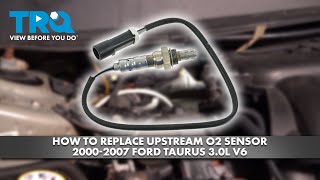
- 2001-2007 Taurus: These models typically use the 3.0L V6 engine. They have four oxygen sensors: two upstream (one for each cylinder bank) and two downstream. Bank 1 is the cylinder bank closer to the firewall, and Bank 2 is toward the front of the car. Accessing the Bank 1 upstream sensor can be difficult and may require removing the intake manifold. 🎬 See how to replace the upstream sensor on a 3.0L V6.
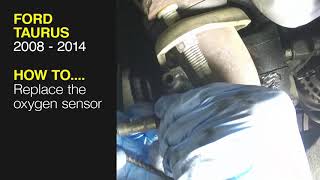
- 2008-2012 Taurus: These models use a more modern 3.5L V6. They also have four sensors in similar upstream and downstream positions. The upstream sensors on these models are often wide-band sensors, sometimes called air-fuel ratio sensors, which are more precise.
Choosing the Right Aftermarket Oxygen Sensor

When it comes to sensors, quality matters. While Motorcraft is Ford's official brand, the original equipment (OE) manufacturer for many Ford vehicles is actually NTK (a brand of NGK). Many owners have found success using NTK or Denso sensors as reliable alternatives to the more expensive dealer part.
- Top Tier (OEM or Better): Motorcraft, NTK, and Denso. These brands are known for their reliability and compatibility with Ford's computer systems. NTK is widely reported to be the original supplier for many Ford models. Denso is another highly respected OEM supplier.
- Mid-Tier (Good Value): Bosch and Delphi. Bosch is a massive OEM supplier, but their aftermarket sensors have mixed reviews for Fords. Some owners report they work fine, while others claim they can be "lazy" or incompatible, leading to persistent codes. It's best to ensure you get a direct-fit model, not a universal one that requires splicing wires.
- Economy Tier (Use with Caution): Brands like DriveWire, Spectra, and Walker Products offer a lower price point. While they may work, their long-term durability and precision might not match the higher-tier brands. For a critical component like an O2 sensor, sticking with a proven brand is often worth the extra cost to avoid doing the job twice.
Pro Tip: Always buy direct-fit sensors. These come with the correct plug and wire length for your specific Taurus model, eliminating the need for cutting and splicing wires. This makes installation much easier and reduces the chance of a bad connection.
Oxygen Sensor Replacement Cost
The cost to replace an oxygen sensor depends on the brand you choose and whether you do the work yourself. Shop labor can add a significant amount, especially for hard-to-reach sensors.
| Item | Estimated Cost |
|---|---|
| New Aftermarket Sensor | $26 - $160 |
| New OEM (Motorcraft) Sensor | $75 - $180+ |
| Shop Labor | $100 - $250 per sensor |
Frequently Asked Questions

How many oxygen sensors does my 2001-2012 Taurus have?
Most V6 Ford Taurus models from this era have four oxygen sensors. There are two upstream sensors (Bank 1 Sensor 1, Bank 2 Sensor 1) located before the catalytic converters, and two downstream sensors (Bank 1 Sensor 2, Bank 2 Sensor 2) located after them.
What's the difference between upstream and downstream sensors?
Upstream sensors (also called Sensor 1) are the most critical. They are located in the exhaust manifold before the catalytic converter and are used by the engine computer to make real-time adjustments to the fuel mixture. Downstream sensors (Sensor 2) are located after the catalytic converter and primarily monitor the converter's efficiency.
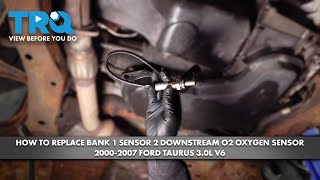
🎬 Follow this guide to replace a downstream Bank 1 sensor.Can I clean my oxygen sensor instead of replacing it?
While some people attempt to clean O2 sensors, it is generally not a reliable long-term fix. The sensor's internal components wear out over time, and contamination from fuel additives, oil, or coolant can cause permanent damage. Replacement is the recommended repair.
Do I need a special tool to replace an O2 sensor?
Yes, an O2 sensor socket is highly recommended. It's a special deep socket with a slot cut down the side to accommodate the sensor's wire. Using a standard wrench can be difficult and may damage the wire on the new sensor during installation.
Are there any recalls for the oxygen sensors on my Taurus?
There are no specific safety recalls for just the oxygen sensors on the 2001-2012 Ford Taurus. However, some Technical Service Bulletins (TSBs) and emissions recalls related to the Powertrain Control Module (PCM) could affect sensor operation. Always ensure your vehicle's recall services are up to date.
Helpful Videos
Technical Specifications
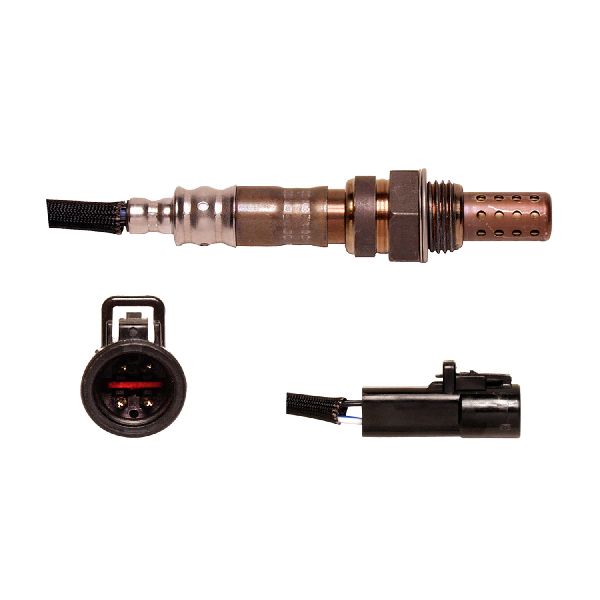
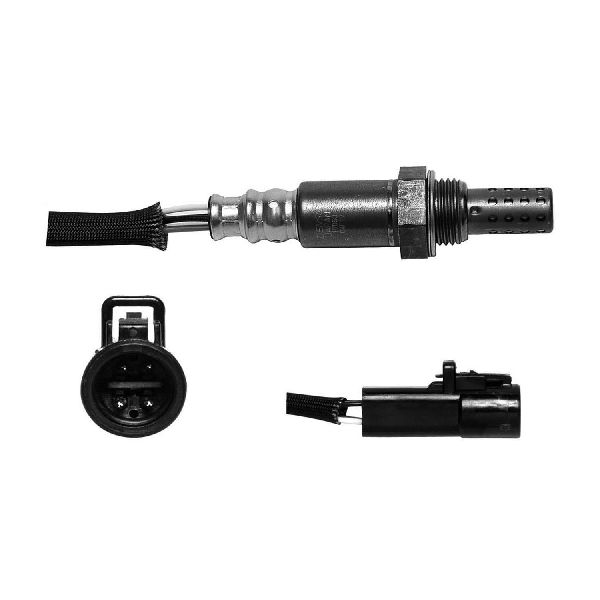
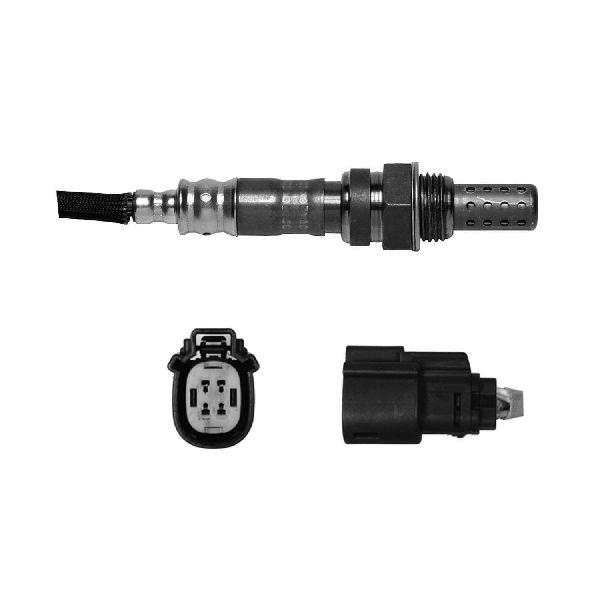
OEM Part Numbers: 8F9Z-9F472-H F88Z-9F472-BA YL8Z-9F472-AA YL8Z-9F472-AD 8F9Z-9F472-A
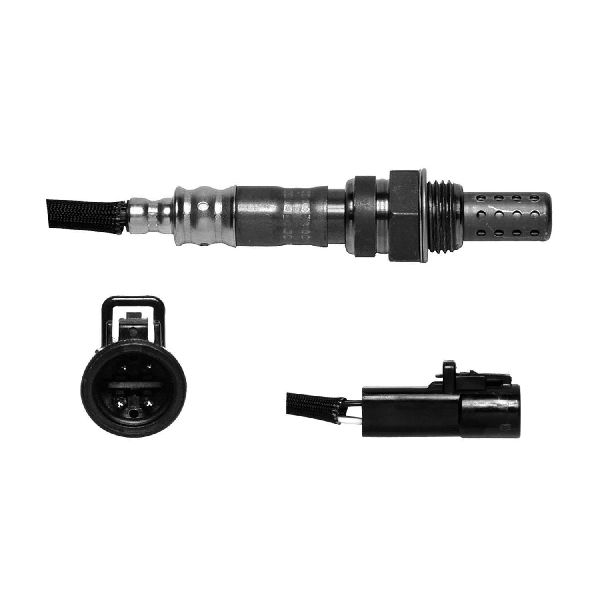
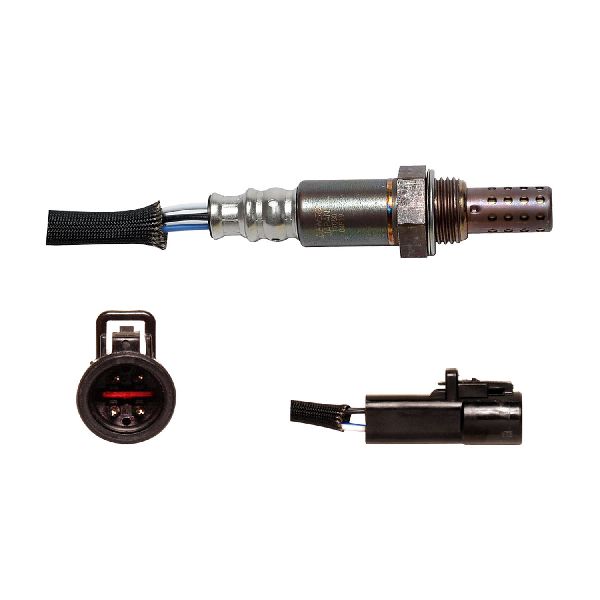
V6 models typically use four sensors (two upstream, two downstream). Upstream sensors for 2008-2012 models are often 5-wire wide-band types, while earlier models use 4-wire narrow-band sensors. A 22mm or 7/8" wrench/socket is required for removal.
We Have This Part in Stock

The information in this article is provided for general reference and educational purposes only. Vehicle specifications, procedures, and part compatibility can vary by production date, trim level, and region. Always consult your vehicle's factory service manual and verify part numbers before purchasing or performing repairs. Safety-critical components such as airbags, seat belts, and braking systems should be installed by a qualified professional.
- Ford Taurus: