

Mitsubishi Eclipse Manifold Absolute Pressure (MAP) Sensor: 2001-2012 Guide
Diagnose and replace the MAP sensor in your 2001-2012 Eclipse to restore lost power, fix a rough idle, and improve fuel economy.
- A failing MAP sensor directly impacts power, idle quality, and fuel efficiency in your Eclipse.
- Before replacing the sensor, always check for cracked or disconnected vacuum hoses, which can cause similar symptoms.
- Replacement is a simple DIY task that requires basic tools and can be done in under 30 minutes.
- For long-term reliability, choose a reputable aftermarket brand such as Delphi, NGK (NTK), or Standard Ignition.
Is Your Eclipse Running Poorly? It Could Be the MAP Sensor
If your 2001-2012 Mitsubishi Eclipse is experiencing symptoms like poor acceleration, rough idling, or a sudden drop in gas mileage, a failing Manifold Absolute Pressure (MAP) sensor is a likely suspect. This small sensor provides vital data to your engine's computer, and when it fails, it can cause a wide range of noticeable problems. This guide will walk you through the symptoms, replacement options, and costs associated with a new aftermarket MAP sensor.
Symptoms of a Bad MAP Sensor on a Mitsubishi Eclipse
A bad MAP sensor sends incorrect information to the engine computer, leading to an improper air-fuel mixture. This can cause several issues:
- Check Engine Light: This is often the first sign. The computer will store fault codes like P0106, P0107, or P0108. 🎬 Watch: How to diagnose these specific MAP sensor fault codes
- Poor Engine Performance: You might notice sluggish acceleration, hesitation, or a general lack of power.
- Rough Idle: The engine may shake or vibrate more than usual when stopped.
- Bad Fuel Economy: An incorrect air-fuel mixture often leads to the engine burning more fuel than necessary.
- Black Smoke from Exhaust: This indicates the engine is running too rich (too much fuel), a common result of a bad MAP sensor reading.
- Engine Stalling: In some cases, the engine may stall unexpectedly, especially at idle.
Choosing the Right Aftermarket MAP Sensor
When replacing the MAP sensor, you don't have to buy an expensive OEM part. Several reputable aftermarket brands offer quality replacements that meet or exceed original specifications. Here’s a breakdown of common choices:
- Top Tier (OEM Quality or Better): Brands like Delphi and NGK (NTK) are excellent choices. Delphi is an original equipment manufacturer for many car brands and is known for producing reliable sensors. NGK's sensor division, NTK, also has a strong reputation for quality. These brands are engineered for durability and accuracy.
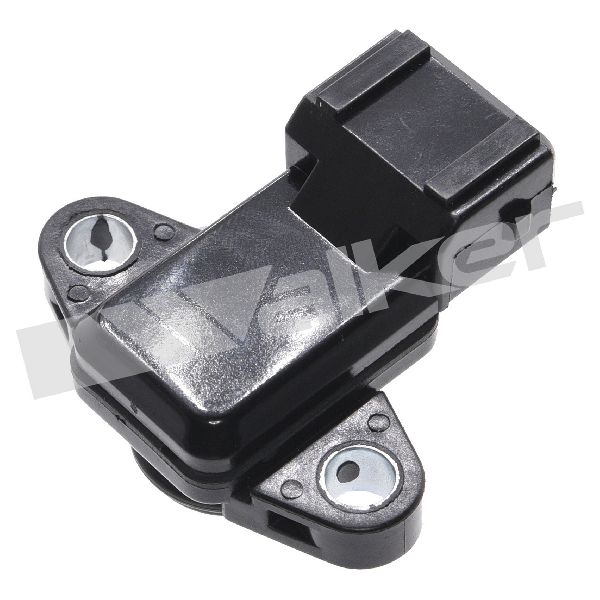
- Mid-Tier (Reliable Alternatives): Standard Ignition (SMP) and Walker Products are solid mid-range options. They provide good performance and reliability for daily driving and are often more affordable than top-tier brands.
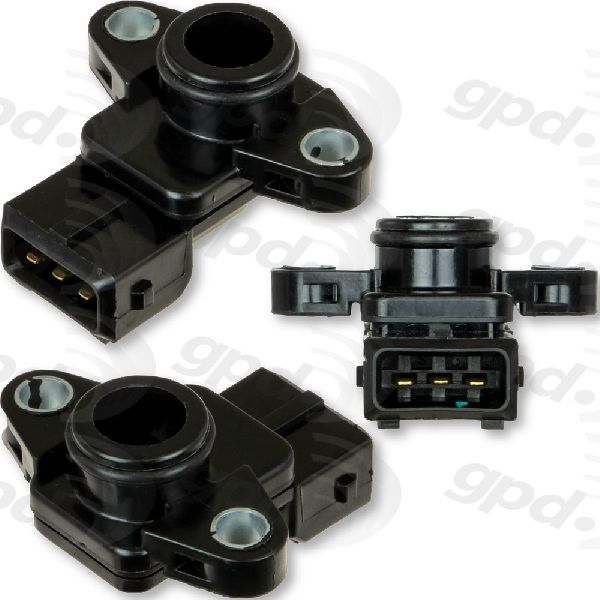
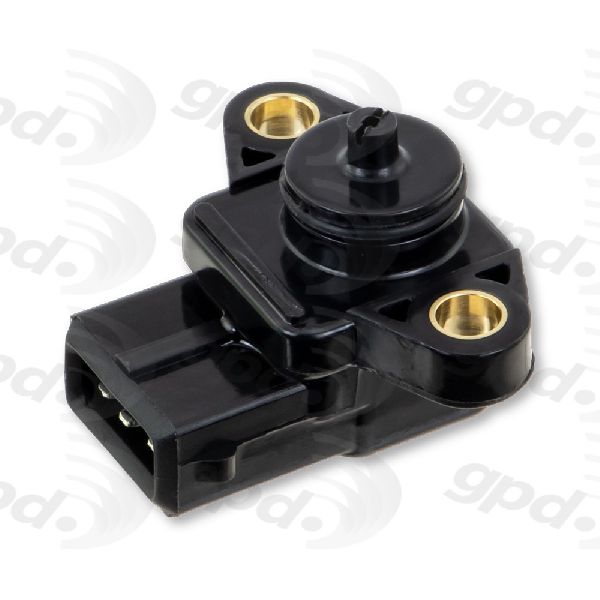
- Economy Tier: Brands like Global Parts may offer the lowest price, but quality can be inconsistent. For a critical sensor like the MAP, it's generally recommended to invest in a mid or top-tier brand to avoid premature failure and performance issues.
How to Replace the MAP Sensor on a 2001-2012 Eclipse
Replacing the MAP sensor is a straightforward job that most DIY mechanics can complete in under 30 minutes. The sensor is typically located directly on the intake manifold.
🎬 Watch: An easy walkthrough of the sensor replacement process- Locate the Sensor: On both 4-cylinder and V6 Eclipse models, the MAP sensor is mounted on the intake manifold. It's a small, black plastic part with an electrical connector.
- Disconnect the Battery: As a safety precaution, disconnect the negative battery terminal.
- Unplug and Unbolt: Press the tab on the electrical connector to unplug it. Then, remove the one or two small bolts holding the sensor in place.
- Install the New Sensor: Gently pull the old sensor out. Install the new sensor, making sure any O-rings are properly seated. Secure it with the bolts (do not overtighten) and plug in the electrical connector.
- Reconnect Battery: Reconnect the negative battery terminal. The check engine light may need to be cleared with an OBD-II scanner, or it may turn off on its own after a few drive cycles.
| Part Type | Estimated Cost |
|---|---|
| New Aftermarket | $39.20 - $421.04 |
| New OEM | $175 - $255 |
| Shop Labor | $49 - $72 |
| Total Professional Replacement | $280 - $401 (using OEM part) |
Frequently Asked Questions
Can I just clean my Eclipse's MAP sensor?
While some sensors like the MAF can be cleaned, MAP sensors are generally replaced rather than cleaned. The internal components are sensitive and sealed. An incorrect cleaning attempt could cause more damage. Given the low cost of reliable aftermarket replacements, replacement is the recommended solution.
Where is the MAP sensor located on the Eclipse?
The MAP sensor is located on the engine's intake manifold. It is a small black sensor held in by one or two bolts with a 3-wire electrical connector attached.
Are there any recalls for the Mitsubishi Eclipse MAP sensor?
No. A search of the National Highway Traffic Safety Administration (NHTSA) database shows no specific recalls or technical service bulletins (TSBs) for the MAP sensor on the 2001-2012 Mitsubishi Eclipse.
What's the difference between a MAP and MAF sensor?
Your Eclipse uses both. The Manifold Absolute Pressure (MAP) sensor measures engine vacuum (load), while the Mass Air Flow (MAF) sensor measures the volume and density of air entering the engine. Both work together to help the ECU calculate the correct air-fuel ratio.
Helpful Videos
Technical Specifications
OEM Part Numbers: MD305600 E1T19172 MR578946
The MAP sensor for the 2001-2012 Eclipse is a solid-state sensor that provides a voltage signal to the ECU corresponding to the pressure in the intake manifold. It typically uses a 3-pin connector.
We Have This Part in Stock


The information in this article is provided for general reference and educational purposes only. Vehicle specifications, procedures, and part compatibility can vary by production date, trim level, and region. Always consult your vehicle's factory service manual and verify part numbers before purchasing or performing repairs. Safety-critical components such as airbags, seat belts, and braking systems should be installed by a qualified professional.
- Mitsubishi Eclipse: