

Toyota Highlander Rear Lateral Arm Replacement Guide (2001-2014)
Eliminate rear-end clunks and wandering on your Highlander by understanding and replacing your lateral arms.
- A clunking noise from the rear over bumps is the most common symptom of a bad lateral arm.
- A four-wheel alignment is mandatory after replacement to prevent rapid tire wear.
- It is strongly recommended to replace lateral arms in pairs (left and right) for balanced handling.
- For the 2014 model year, be aware of a TSB related to squeaking rear suspension arms.
Is Your Highlander Making Rear-End Noises?

If you're hearing clunking or squeaking from the back of your 2001-2014 Toyota Highlander, especially over bumps, a failing lateral arm could be the culprit. These arms are essential for your vehicle's stability and tire wear. The most common reason for failure is the rubber bushings at each end, which crack, tear, and wear out over time. This allows for unwanted movement, creating noise and handling problems.
Symptoms of a Bad Lateral Arm

Pay attention to these common signs of a failing rear lateral arm:
- Clunking or Knocking Noises: A distinct clunk from the rear when going over bumps or uneven roads is a classic symptom. This is caused by the worn bushings allowing metal-to-metal contact.
- Loose or Wandering Rear End: The vehicle may feel unstable or 'loose' from the back, especially when changing lanes or turning.
- Uneven Rear Tire Wear: When the lateral arm is failing, it can't hold the proper wheel alignment. This forces the tires to wear down unevenly and prematurely.
- Squeaking or Groaning Sounds: For 2014 models in particular, a squeak from the rear suspension is a known issue related to the trailing arm bushings, a similar suspension link.
Aftermarket Brand Comparison: Dorman vs. Mevotech

For the 2001-2014 Highlander, Dorman and Mevotech are two common aftermarket choices. Neither is a premium performance brand, but they offer a cost-effective solution for daily driving.
| Brand | General Reputation | Considerations for Highlander |
|---|---|---|
| Dorman | Known for providing a wide range of affordable replacement parts. Quality can be inconsistent, but they often come with a lifetime warranty, which is a major plus. | A functional, budget-friendly choice. They are generally considered a standard replacement part. Ensure you are getting the correct part number for your specific year and drivetrain (AWD vs FWD). |
| Mevotech | Offers multiple quality tiers, such as "Original Grade" and the better "Supreme" or "TTX" lines. Forum discussions often favor Mevotech Supreme over standard Dorman parts for better durability. | If available, choosing a higher-tier Mevotech arm (Supreme) might offer better longevity than a base-level part. However, some users have reported early failures even with the premium lines. |
Pro Tip: Regardless of the brand you choose, it is highly recommended to replace lateral arms in pairs 🎬 Watch a step-by-step guide for Toyota Highlander control arm replacement. (both left and right sides). If one has failed due to age and mileage, the other is likely not far behind. This also ensures balanced handling and makes the post-replacement alignment more effective.
Known Issues, TSBs, and Recalls
While there are no specific recalls for the lateral arms on 2001-2014 Toyota Highlanders, Toyota did issue a Technical Service Bulletin (TSB) for a related part on newer models. TSB T-SB-0211-17 addresses a squeaking noise from the rear suspension on 2014-2019 Highlanders, caused by faulty trailing arm bushings. The fix is to replace the arms with updated parts. While this TSB doesn't officially cover the entire 2001-2014 range, it highlights that bushing failure is a recognized issue on the Highlander platform.
Cost to Replace a Toyota Highlander Lateral Arm
| Cost Category | Estimated Price | Notes |
|---|---|---|
| New Aftermarket Part | $27 - $92 | This is the typical price range for a single Dorman or Mevotech lateral arm. |
| Shop Labor | $152 - $223 | This is an estimate for replacing one arm. Expect 1 to 1.5 hours of labor per side. |
| Wheel Alignment | $110 - $165 | A four-wheel alignment is mandatory after replacement to prevent tire wear and ensure proper handling. |
| Total Professional Job (One Side) | $289 - $480 | Includes one aftermarket part, labor, and alignment. Replacing both sides will be more cost-effective on labor. |
Frequently Asked Questions (FAQ)
Can I just replace the bushings instead of the whole arm?
While it is sometimes possible, replacing the entire lateral arm is almost always easier and more cost-effective. Pressing old bushings out and new ones in requires a hydraulic press and special tools. The labor cost for this service often exceeds the price of a complete new arm that comes with bushings pre-installed.
Do I really need an alignment after replacing a lateral arm?
Yes, absolutely. The lateral arm is a critical component that determines your rear wheel alignment (specifically camber and toe). Skipping the alignment will cause rapid and uneven tire wear, poor handling, and can make the vehicle unsafe to drive.
Is it safe to drive with a bad lateral arm?
It is not recommended. While the vehicle may be drivable for a short time, a failing lateral arm compromises your vehicle's handling and stability. In a worst-case scenario, the arm could separate, leading to a loss of control. It's best to get it repaired as soon as symptoms appear.
Is this a good DIY job for a beginner?
This job can be challenging for a beginner. It often involves rusted bolts that are difficult to remove and may require specialized tools like breaker bars and torque wrenches. While there are DIY guides available, the need to lift the vehicle safely and the mandatory follow-up alignment might make this job better suited for an experienced DIYer or a professional mechanic.
🎬 See how to replace the arm with proper torque specs.Helpful Videos
Technical Specifications
OEM Part Numbers: 48760-0E050 48760-0E051 48780-0E060 48780-0E061
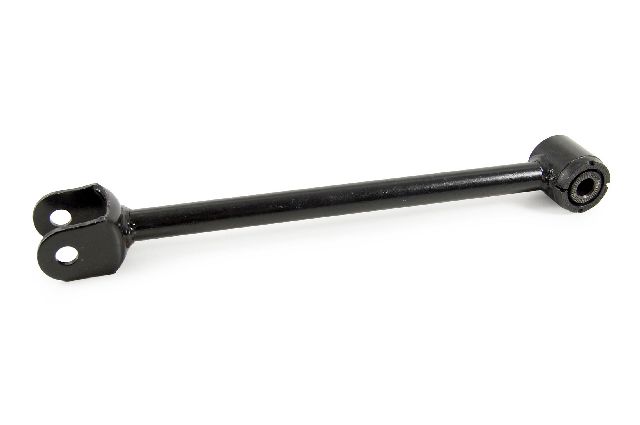
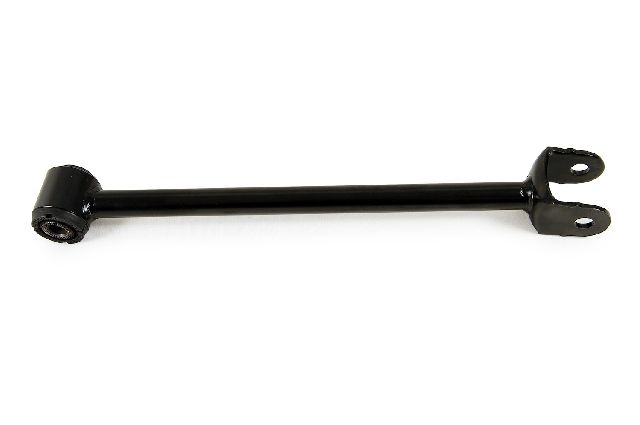
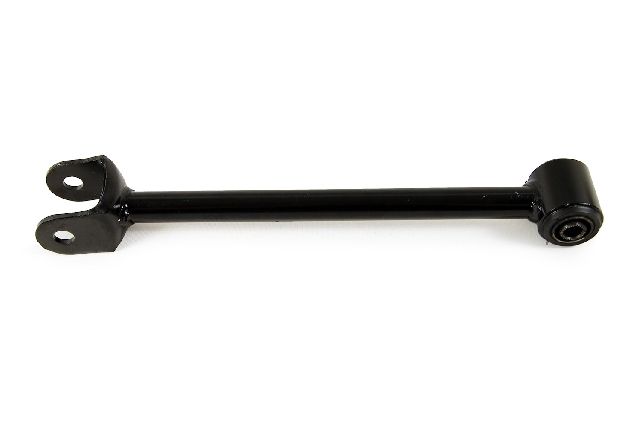
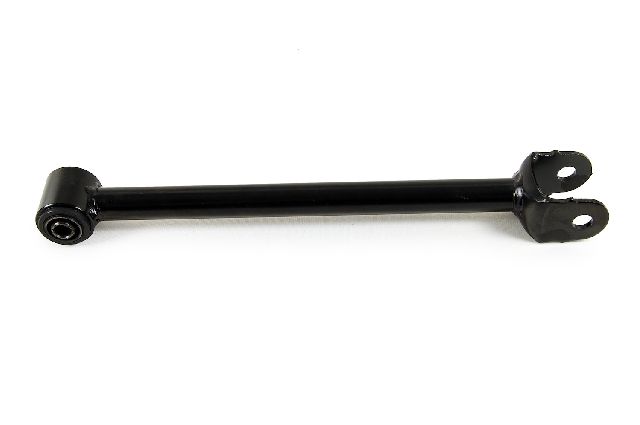
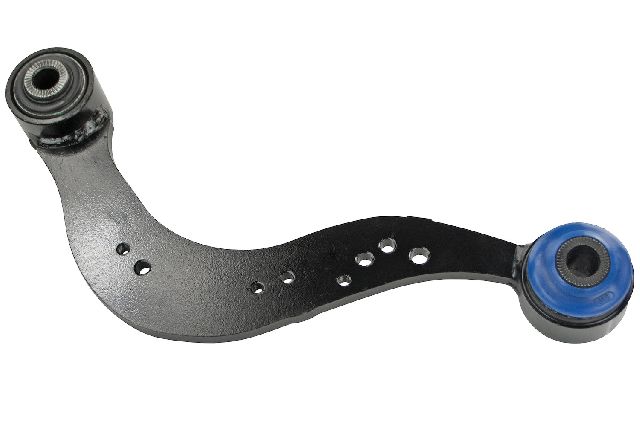
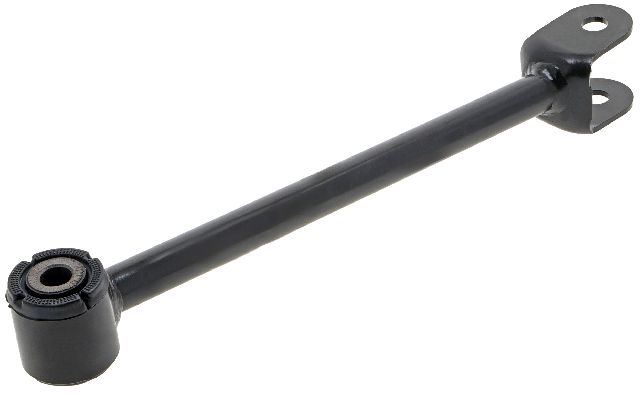
The lateral arm is a stamped steel or cast component with rubber bushings pressed into each end. It is part of the multi-link rear suspension system. The primary failure point is the rubber bushings.
We Have This Part in Stock

The information in this article is provided for general reference and educational purposes only. Vehicle specifications, procedures, and part compatibility can vary by production date, trim level, and region. Always consult your vehicle's factory service manual and verify part numbers before purchasing or performing repairs. Safety-critical components such as airbags, seat belts, and braking systems should be installed by a qualified professional.
- Toyota Highlander: