

Toyota Prius Horn Replacement Guide for 2001-2015 Models
Is your Prius horn silent or only working sometimes? Here’s what you need to know before you buy a replacement.
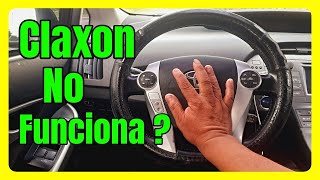
- A common cause of horn failure in the Prius is a faulty spiral cable (clock spring), especially if the horn works only when turning the wheel.
- Test the panic button on your key fob; if the horn works, the issue is likely in the steering wheel switch or spiral cable.
- Replacing the stock horns with an aftermarket set from a brand like Hella is a popular upgrade for a louder sound.
- DIY replacement is possible but may require removing the front bumper on 2010-2015 models.
Is Your Prius Horn Failing? Common Symptoms

A failing horn on a 2001-2015 Toyota Prius can show up in a few different ways. You might find the horn doesn't work at all, sounds weak or muffled, or, in some cases, only works when you turn the steering wheel. These issues point to different potential problems in the horn system.
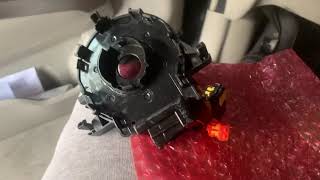
Known Issue: The Spiral Cable (Clock Spring)
A very common problem, especially for the 3rd Generation Prius (2010-2015), is the failure of the spiral cable, also known as the clock spring. This part is a ribbon of wires inside the steering column that allows the steering wheel to turn while maintaining electrical connections for the airbag, steering wheel buttons, and the horn. If your horn only works when the steering wheel is turned to a specific angle, the spiral cable is almost certainly the cause. In many cases, replacing the spiral cable will also fix non-working steering wheel buttons.
Diagnosing the Problem

Before replacing parts, a simple test can help narrow down the issue. Press the 'panic' button on your key fob. If the horn sounds, it means the horn itself, the relay, and the fuse are likely working correctly. This points the problem toward the steering wheel horn switch or the spiral cable. If the panic button does not make the horn sound, the problem could be a blown fuse, a bad relay, or the horn unit itself.
Choosing the Right Aftermarket Horn

The stock horn on the Prius is often described by owners as weak. Upgrading to an aftermarket horn is a popular choice for a louder, more authoritative sound. Aftermarket horns are generally a cost-effective alternative to OEM parts and often offer improved performance.
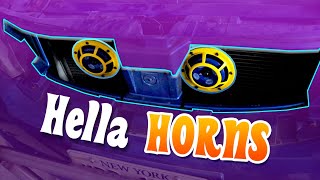
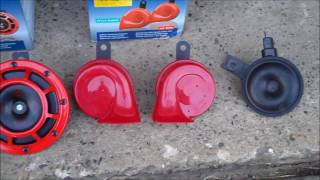
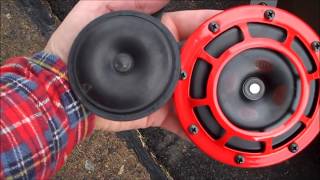
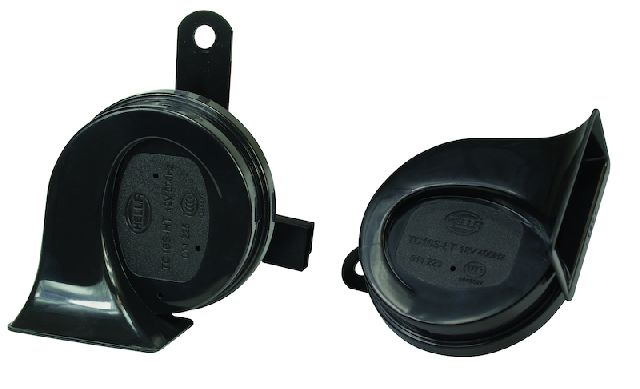
- Hella: Hella is a well-regarded brand known for producing loud and reliable horns. They offer various models, including the popular Supertone and Twin Trumpet styles, which provide a significant volume increase over the stock horn. Many owners choose Hella for a more noticeable, European sound. 🎬 Hear the difference between Hella Supertones and factory horns.
- Standard Ignition (Standard Motor Products): Standard Ignition is a trusted name in aftermarket parts, offering reliable, OE-style replacements. A horn from this brand is a solid choice if you're looking for a dependable part that functions like the original without the OEM price tag.
- Replacement: This brand typically offers the most budget-friendly options. These are basic, no-frills horns designed to restore function at the lowest possible cost. While they meet basic requirements, they may not have the same sound quality or longevity as more established brands.
Pro Tip: Many aftermarket horns, like those from Hella, come as a set of two (high and low tone). The Prius is factory-equipped with two horns (high-pitched and low-pitched) located behind the front grille. Replacing both ensures a proper, full sound.
🎬 Compare the sound of Hella Supertone and Twin Trumpet models.Cost of Replacing a Toyota Prius Horn
The cost can vary depending on the part you choose and whether you do the work yourself. The job is straightforward for a DIYer with basic tools, though it often requires removing the front bumper cover for access on later models.
| Part/Service | Estimated Cost |
|---|---|
| New OEM Horn | $107 |
| New Aftermarket Horn | $35 - $77 |
| Shop Labor | $85 - $124 |
| Total Professional Replacement (Aftermarket) | $120 - $201 |
Frequently Asked Questions

Is it hard to replace the horn on a Prius?
For most 2001-2015 models, the horns are located behind the front grille. On earlier models (Gen 1 and Gen 2), you may be able to access them by removing the upper radiator cover. For later models (Gen 3), removing the front bumper cover is often necessary for proper access. The job requires basic tools like sockets, a ratchet, and screwdrivers. It is considered a feasible DIY project for those with some mechanical experience.
Why does my horn only work when I turn the wheel?
This is a classic symptom of a failing spiral cable (clock spring) in the steering column. The wires inside the cable break from the repetitive motion of turning the wheel, and contact is only made at certain angles. The spiral cable needs to be replaced.
🎬 Watch a step-by-step guide on replacing the Prius clock spring.Are there any recalls for the Toyota Prius horn?
My search did not find any specific recalls for the horn on 2001-2015 Toyota Prius models. However, a faulty spiral cable, a common cause of horn failure, has been a known issue on many Toyota vehicles.
Can I install a louder horn on my Prius?
Yes. Many owners upgrade to louder aftermarket horns, such as those from Hella or FIAMM. These are often direct replacements, but it's important to check that the current draw (amperage) of the new horn is compatible with the vehicle's stock wiring and 10A fuse to avoid issues. Most aftermarket horns designed for cars will work without needing a new relay.
Helpful Videos
Technical Specifications
OEM Part Numbers: 86510-AA010 86510-48050 86510-33190
The system uses a high-tone and a low-tone horn, typically powered by a 12V circuit protected by a 10A fuse and controlled by a relay.
We Have This Part in Stock


The information in this article is provided for general reference and educational purposes only. Vehicle specifications, procedures, and part compatibility can vary by production date, trim level, and region. Always consult your vehicle's factory service manual and verify part numbers before purchasing or performing repairs. Safety-critical components such as airbags, seat belts, and braking systems should be installed by a qualified professional.
- Toyota Prius: